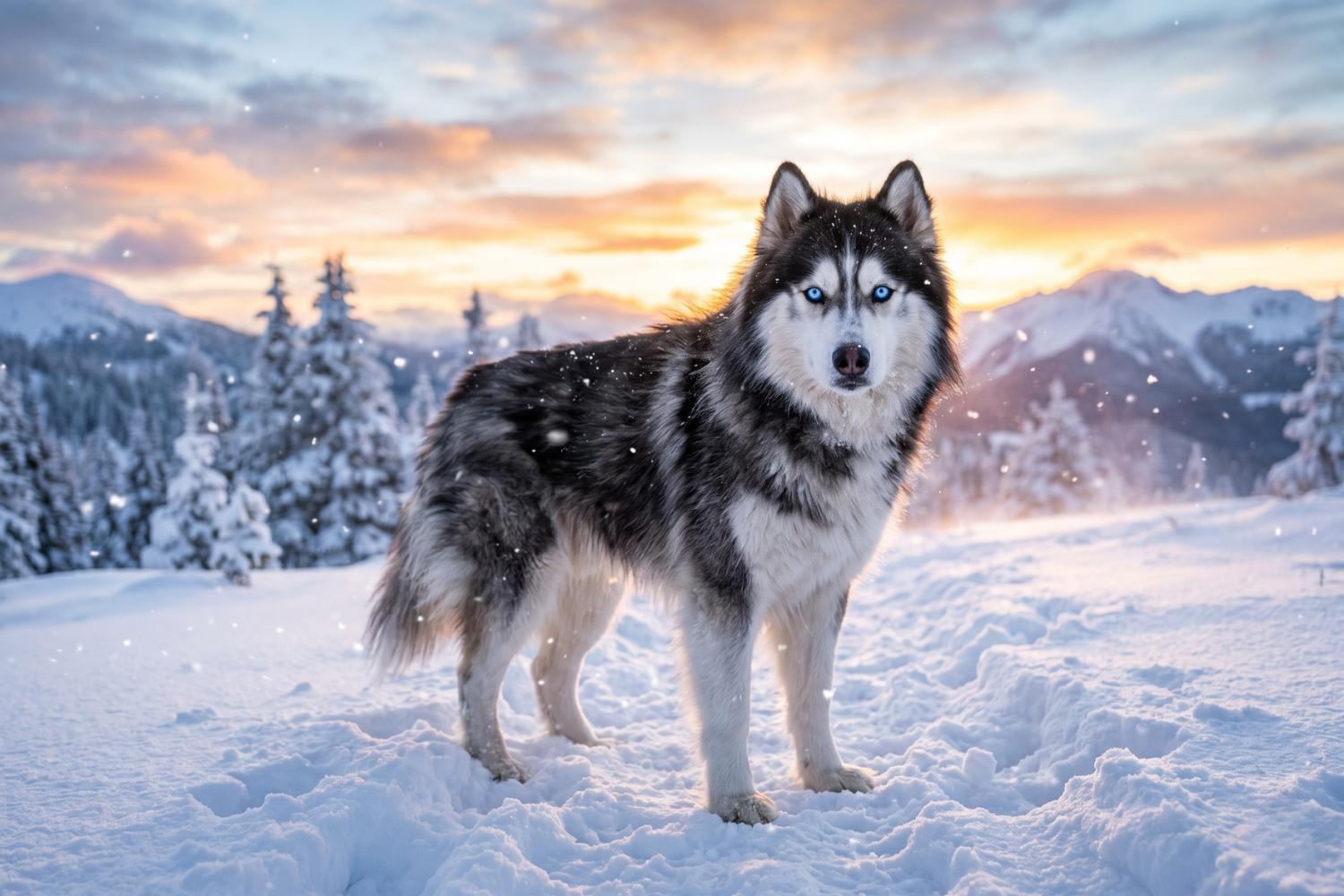
Husky dogs are among the most admired and recognizable dog breeds in the world. Known for their striking eyes, thick coats, and wolf-like appearance, they are energetic, intelligent, and highly social animals. However, owning a Husky is not just about their beauty—it requires understanding their behavior, exercise needs, training challenges, and overall care.
In this complete guide, we’ll explore everything you need to know about Huskies, from puppies to adult dogs, including temperament, grooming, training tips, health care, and more. Whether you are planning to adopt or already have one, this article will help you raise a happy and healthy Husky.
What Are Husky Dogs?
Husky dogs, often referred to as Siberian Huskies, were originally bred by the Chukchi people of Siberia for sled pulling and endurance work in freezing conditions. Today, they are popular family pets due to their friendly nature and playful personality.
They are medium-sized working dogs with high energy levels and strong pack instincts. Huskies are not guard dogs—they are friendly even with strangers, which makes them unique compared to many other breeds.
Husky Temperament: What to Expect
Understanding Husky temperament is crucial before bringing one home.
Huskies are:
- Extremely energetic and active
- Social and friendly with humans and other dogs
- Intelligent but often stubborn
- Independent thinkers (can be mischievous)
- Not naturally obedient like some working breeds
They are known for escaping yards and testing boundaries, so training and secure fencing are essential.
Despite their independence, Huskies are affectionate and love being part of a family environment.
Husky Puppies: What Makes Them Special?
Husky puppies are incredibly cute, fluffy, and playful, but they also come with high energy and curiosity. Early training is essential because bad habits formed in puppyhood can be difficult to break later.
Key things about Husky puppies:
- They chew everything they find
- They need socialization from an early age
- They are highly active even as puppies
- They can be stubborn during training
- They grow quickly and require proper nutrition
If you’re considering adopting one, make sure you’re ready for an active lifestyle.
Training Your Husky: Challenges and Solutions
Training a Husky can be challenging but not impossible. The key is patience, consistency, and positive reinforcement.
Basic Training Tips:
- Start training early (8–12 weeks is ideal)
- Use reward-based methods (treats, praise, toys)
- Keep training sessions short and fun
- Be consistent with commands
- Avoid harsh punishment—it doesn’t work with Huskies
Common Training Challenges:
- Recall training (they may ignore commands outdoors)
- Leash pulling due to high energy
- Stubborn behavior during obedience training
The more consistent you are, the better your Husky will respond.
Exercise Needs of Husky Dogs
Huskies are one of the most active dog breeds. Without proper exercise, they can become destructive or anxious.
They require:
- At least 1–2 hours of daily exercise
- Running, jogging, or hiking sessions
- Mental stimulation games (puzzle toys, training drills)
- Off-leash play in safe, enclosed areas
A bored Husky is a destructive Husky—so physical and mental stimulation is a must.
Grooming and Coat Care
Huskies have a thick double coat designed for cold climates. This means they shed heavily, especially during seasonal changes.
Grooming Requirements:
- Brush at least 2–3 times per week
- Daily brushing during shedding seasons
- Bathe only when necessary (too much bathing removes natural oils)
- Regular nail trimming and ear cleaning
Expect “blowing coat” season twice a year when shedding becomes intense.
Feeding Your Husky Properly
A balanced diet is essential for a Husky’s energy levels and overall health.
Feeding Guidelines:
- High-quality protein-rich dog food
- Balanced fats for energy
- Controlled portion sizes (they can easily gain weight if overfed)
- Fresh water available at all times
Avoid overfeeding treats and human food, as Huskies can be picky eaters and may refuse regular meals if spoiled.
Health and Common Issues in Huskies
Huskies are generally a healthy breed, but they can still face certain health issues.
Common concerns include:
- Hip dysplasia
- Eye problems (cataracts, corneal dystrophy)
- Skin allergies
- Zinc deficiency in some cases
Regular vet check-ups, vaccinations, and a healthy lifestyle help prevent most issues.
Social Behavior and Family Life
Huskies are social dogs that thrive in family environments. They are good with children and other dogs when properly socialized.
However, they:
- Do not like being left alone for long periods
- Can become destructive when bored
- Need attention and interaction daily
They are not ideal for owners who are away from home frequently.
Husky Dogs vs Other Breeds
Compared to other dog breeds, Huskies stand out because of:
- Higher energy levels
- Strong independence
- Low guarding instinct
- Extreme endurance ability
They are more like “athletes” than typical companion dogs, requiring an active owner.
Should You Get a Husky?
A Husky is perfect for you if:
- You have an active lifestyle
- You enjoy outdoor activities
- You can dedicate time to training and exercise
- You understand dog behavior and patience
They may not be suitable if you want a low-maintenance or quiet pet.
Final Thoughts
Huskies are beautiful, intelligent, and energetic dogs that bring joy and excitement into any home. However, they require commitment, training, and proper care. If you’re ready for the responsibility, a Husky can become one of the most loyal and entertaining companions you’ll ever have.