
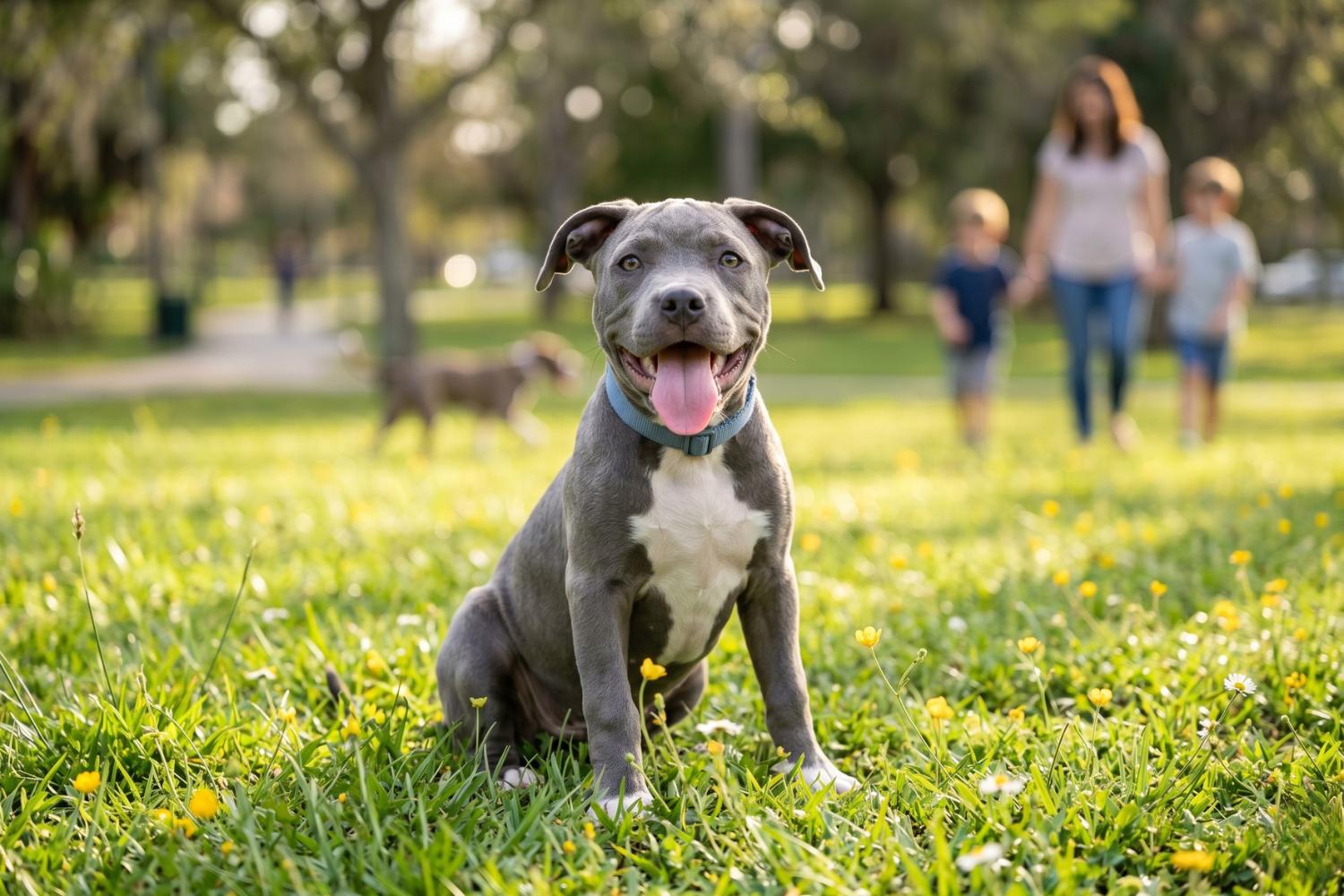
Pitbull dogs and puppies are among the most misunderstood yet deeply loyal dog types in the world. Over the years, they’ve gained a controversial reputation, often fueled by myths rather than facts. In reality, pitbull-type dogs are affectionate, intelligent, and highly trainable when raised in a responsible environment.
In this detailed guide, we’ll break down the truth about pitbull dogs and puppies, explore common myths, understand their behavior, care needs, training tips, and help you decide whether this breed is the right fit for your home.
Understanding Pitbull Dogs and Puppies
The term “pitbull” does not refer to a single breed. Instead, it is commonly used to describe several breeds, including the American Pit Bull Terrier, American Staffordshire Terrier, and Staffordshire Bull Terrier.
These dogs were originally bred for strength, agility, and working ability. However, their temperament is heavily influenced by upbringing, training, and socialization—not just genetics.
Key Traits of Pitbull Dogs and Puppies:
- Highly energetic and playful
- Loyal and affectionate toward family
- Intelligent and quick learners
- Strong muscular build
- People-oriented temperament
Despite common misconceptions, properly raised pitbull dogs and puppies are often gentle and loving companions.
Myths About Pitbull Dogs and Puppies
Pitbulls are often misunderstood due to misinformation. Let’s clear up some of the biggest myths.
Myth 1: Pitbulls are naturally aggressive
This is one of the most common myths. In reality, aggression in dogs is not breed-specific. Any dog can become aggressive if mistreated, neglected, or improperly trained.
Myth 2: Pitbulls cannot live with families or children
Many families successfully raise pitbull dogs and puppies in loving homes. They are often very affectionate with children when properly socialized.
Myth 3: Pitbulls have “locking jaws”
This is scientifically false. Pitbulls have the same jaw structure as other dogs. There is no locking mechanism.
Myth 4: They are unpredictable
A well-trained pitbull is no more unpredictable than any other dog breed. Consistent training and socialization are key.
Facts About Pitbull Dogs and Puppies
Now that we’ve cleared the myths, here are the real facts:
Fact 1: They are extremely loyal
Pitbulls form strong bonds with their owners and are known for their loyalty.
Fact 2: They are intelligent
These dogs learn commands quickly and respond well to positive reinforcement.
Fact 3: They need regular exercise
Pitbull dogs and puppies have high energy levels and require daily physical activity.
Fact 4: Early training is essential
Socialization at a young age plays a huge role in shaping their behavior.
Temperament of Pitbull Dogs and Puppies
Pitbulls are naturally affectionate and love human interaction. They thrive in environments where they feel included as part of the family.
A well-raised pitbull puppy will typically be:
- Friendly
- Energetic
- Playful
- Protective but not aggressive
However, lack of training or isolation can lead to behavioral issues, just like with any other breed.
Training Pitbull Dogs and Puppies
Training is one of the most important aspects of raising a pitbull. The goal is to build discipline, trust, and social behavior.
Start Early
Begin training as soon as you bring your puppy home. Early lessons shape lifelong behavior.
Use Positive Reinforcement
Reward-based training works best. Treats, praise, and toys help reinforce good behavior.
Socialization is Key
Expose your pitbull dogs and puppies to:
- Different people
- Other dogs
- New environments
Basic Commands to Teach:
- Sit
- Stay
- Come
- Leave it
- Heel
Consistency is more important than intensity.
Feeding and Nutrition
Proper nutrition is essential for growth and muscle development.
What to Feed:
- High-quality protein sources
- Balanced puppy food
- Healthy fats for energy
Feeding Tips:
- Feed puppies 3–4 times daily
- Avoid overfeeding
- Always provide clean water
A healthy diet helps pitbull dogs and puppies grow strong and active.
Exercise Needs
Pitbulls are highly energetic dogs. Without proper exercise, they can become bored or destructive.
Recommended Activities:
- Daily walks
- Running or jogging
- Fetch games
- Agility training
At least 60–90 minutes of daily activity is ideal.
Grooming Requirements
Pitbull dogs and puppies are relatively low-maintenance when it comes to grooming.
Grooming Routine:
- Weekly brushing
- Occasional baths
- Nail trimming
- Ear cleaning
Their short coat makes them easy to care for, but regular grooming keeps them healthy and clean.
Health Considerations
Like all breeds, pitbulls may be prone to certain health issues.
Common Health Concerns:
- Hip dysplasia
- Skin allergies
- Heart conditions
- Obesity (if overfed or under-exercised)
Regular vet checkups are essential to keep your dog healthy.
Are Pitbull Dogs and Puppies Good for Families?
Yes—when properly trained and socialized, pitbull dogs and puppies can be excellent family pets. They are affectionate, protective, and loyal companions.
However, they are best suited for owners who:
- Can provide consistent training
- Have time for daily exercise
- Understand responsible dog ownership
Living Environment
Pitbulls adapt well to different living conditions, but they do best in environments where they can move freely and interact with people.
They can live in:
- Houses with yards
- Apartments (with enough exercise)
What matters most is daily engagement and activity.
Why Pitbull Dogs and Puppies Get a Bad Reputation
Unfortunately, media coverage and irresponsible ownership have contributed to their negative image. When raised incorrectly, any dog can develop behavioral issues.
The truth is simple:
👉 It’s not the breed—it’s the upbringing.
Responsible Ownership Tips
If you are planning to bring home pitbull dogs and puppies, here are some important responsibilities:
- Commit to long-term care
- Train consistently
- Provide proper socialization
- Never use harsh punishment
- Ensure regular exercise
Responsible ownership creates a well-behaved, loving dog.
Conclusion
Pitbull dogs and puppies are loyal, intelligent, and affectionate companions that have been unfairly misunderstood for years. With proper training, care, and socialization, they can become some of the most loving pets in a household.
If you’re considering adding one to your family, make sure you’re prepared to invest time, patience, and love.