
When you hear the name hush puppies, you might think of cute little dog shoes or maybe even a pet product. But in reality, hush puppies are something completely different—and their name has a surprisingly rich and slightly mysterious history.
In this article, we’ll explore the origin of hush puppies, how they got their unusual name, and the cultural stories that surround them. And if you’ve ever wondered exactly why are they called hush puppies, you’re in the right place.
👉 Learn more about pet culture and curious pet-related stories at Pupify:
Pupify
What Exactly Are Hush Puppies?
Before we dive into the history, let’s clear up what hush puppies actually are.
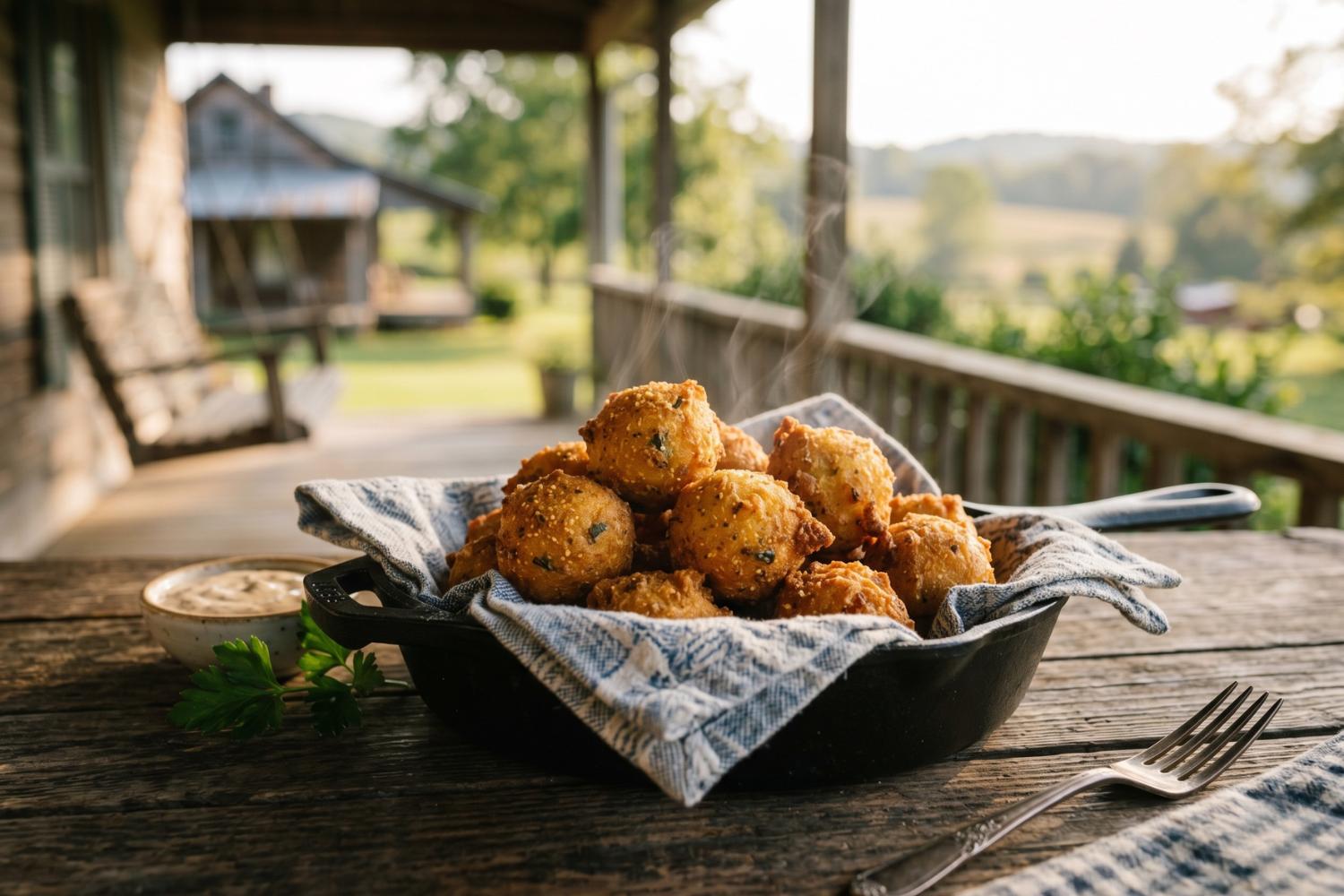
Hush puppies are small, deep-fried balls of cornmeal batter. They’re crispy on the outside, soft on the inside, and often served as a side dish in Southern American cuisine—especially alongside fried fish, barbecue, or seafood platters.
They’re simple, rustic, and delicious—but their name carries a story that goes far beyond the kitchen.
So, Why Are They Called Hush Puppies?
The keyword question—why are they called hush puppies—has a few competing explanations, and none of them are 100% confirmed. However, food historians and folklore point to a few strong theories.
Let’s break them down.
Theory 1: The “Hush Puppies for Dogs” Legend
One of the most popular stories comes from Southern hunters and fishermen.
According to legend, cooks would fry leftover cornmeal batter and toss it to barking dogs during outdoor cooking. The idea was simple: give the dogs something to eat so they would “hush” or quiet down while food was being prepared.
Hence the name:
“Hush, puppies!”
This explanation is widely repeated because it fits the rural, outdoorsy traditions of Southern cooking. However, historians argue that there’s limited written evidence to fully confirm it.
Still, it’s the most widely accepted folk explanation—and definitely the most colorful.
Theory 2: Civil War and Camp Cooking Origins
Another theory traces hush puppies back to the American Civil War.
Soldiers and camp cooks often prepared simple cornmeal-based foods over open fires. When meat was cooking, soldiers would fry up bits of cornmeal batter to feed nearby dogs or to silence them.
In this version of the story, hush puppies weren’t just snacks—they were practical food used in survival cooking situations.
While this theory overlaps with the first one, it places the origin earlier in history and ties it to military camp life.
Theory 3: Fishermen and River Cooking Tradition
A more grounded explanation comes from Southern fishermen.
When fish were being fried along riverbanks, cooks would often prepare cornmeal batter fritters as a quick side dish. Dogs nearby would get excited by the smell and start barking, so cooks would toss them the fried bits to keep them quiet.
Again—“hush, puppies.”
This theory is considered highly plausible because hush puppies are still strongly associated with fried fish meals today.
Theory 4: The Louisiana “Rougarou” Story (Folklore Twist)
Some regional folklore even connects hush puppies to Cajun and Creole traditions in Louisiana.
In these stories, cooks used hush puppies as a way to distract dogs from supernatural fears—like the mythical “rougarou” (a werewolf-like creature in Louisiana folklore). The idea was that feeding dogs would keep them calm and prevent them from reacting to strange nighttime noises.
While entertaining, this theory is more myth than history—but it shows how deeply hush puppies are woven into Southern storytelling culture.
The First Recorded Use of the Name
The term “hush puppies” began appearing in print in the early 20th century, particularly in Southern United States newspapers and cookbooks.
By that time, the dish itself was already well established in Southern cuisine. The name likely evolved from oral storytelling traditions long before it was ever written down.
This makes it difficult to pinpoint a single origin—but it confirms that the name has been around for over a century.
How Hush Puppies Became a Southern Staple
Regardless of how the name started, hush puppies became a staple of Southern American cooking for practical reasons:
- Cornmeal was inexpensive and widely available
- Frying was a common cooking method
- They paired perfectly with fish and barbecue
- They were quick and easy to prepare
Over time, hush puppies became more than just a side dish—they became a cultural symbol of Southern comfort food.
Hush Puppies in Modern Cuisine
Today, hush puppies are enjoyed far beyond the American South.
You’ll find them in:
- Seafood restaurants
- Food trucks
- Barbecue chains
- Gourmet fusion menus
Chefs have also reinvented them with ingredients like jalapeños, cheese, herbs, and even seafood fillings.
Despite these modern twists, the traditional cornmeal hush puppy remains the most iconic version.
The Connection Between Food Names and Folklore
The story of hush puppies is a great example of how food names often come from cultural storytelling rather than strict documentation.
Many foods have names rooted in humor, tradition, or everyday life experiences. Hush puppies likely fall into this category—born from real-life moments in Southern cooking culture, later shaped into folklore.
This makes them more than just a dish—they’re a piece of living history.
Why the Name Still Matters Today
Even though we may never know the exact origin of the name, “hush puppies” continues to capture attention because:
- It sounds unusual and memorable
- It has a mysterious origin story
- It reflects Southern cultural heritage
- It connects food with storytelling
That’s why people still ask, why are they called hush puppies—because the name itself invites curiosity.
Final Thoughts
Hush puppies are more than just a side dish—they’re a blend of history, folklore, and culinary tradition. Whether the name came from fishermen, soldiers, or simply playful Southern storytelling, one thing is clear: it stuck.
And that’s what makes food culture so fascinating. Sometimes the best stories aren’t written in history books—they’re passed down through kitchens, families, and generations.
If you enjoy exploring curious pet-related topics, food origins, and lifestyle stories, visit Pupify for more engaging content.