
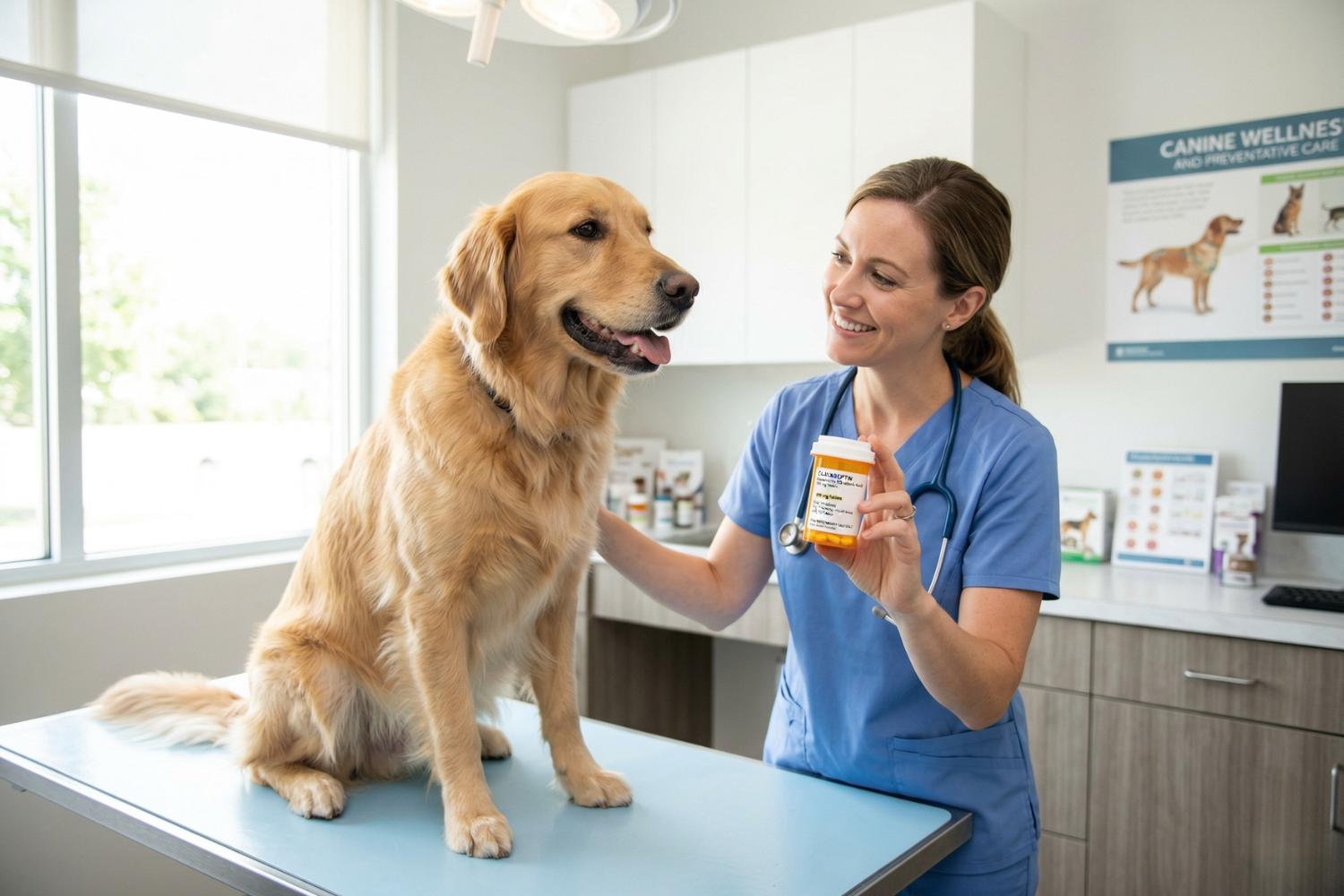
If you’re a dog owner, keeping your furry friend healthy is always a top priority. One of the medications frequently prescribed for dogs is Clavaseptin for dogs. This antibiotic helps manage bacterial infections, but understanding its uses, correct dosage, possible side effects, and veterinary recommendations is essential before administering it to your pet.
In this comprehensive guide, we’ll break down everything you need to know about Clavaseptin, ensuring your dog receives safe and effective care.
What is Clavaseptin?
Clavaseptin is a broad-spectrum antibiotic that combines amoxicillin and clavulanic acid, making it effective against a wide variety of bacterial infections in dogs. It is commonly prescribed to treat infections of the skin, respiratory system, urinary tract, and soft tissues.
This medication is particularly useful for combating bacteria that have developed resistance to standard antibiotics because the clavulanic acid component inhibits beta-lactamase enzymes produced by resistant bacteria.
Uses of Clavaseptin for Dogs
Clavaseptin for dogs is widely prescribed for various conditions, including:
- Skin Infections (Pyoderma): Often caused by bacteria entering through cuts or underlying allergies.
- Ear Infections (Otitis externa): Effective when bacterial overgrowth occurs in the ear canal.
- Respiratory Infections: Treats bronchitis or pneumonia caused by bacteria.
- Urinary Tract Infections (UTIs): Helps clear bacterial infections of the bladder or kidneys.
- Dental Infections: Sometimes used after extractions or for severe oral infections.
Dosage of Clavaseptin for Dogs
The dosage of Clavaseptin depends on your dog’s weight, age, and severity of infection. Always consult your veterinarian before starting any medication. Typical dosing guidelines include:
- Small dogs (<10 kg / 22 lbs): 12.5–25 mg per kg, twice daily
- Medium dogs (10–25 kg / 22–55 lbs): 12.5–25 mg per kg, twice daily
- Large dogs (>25 kg / 55 lbs): 12.5–25 mg per kg, twice daily
Clavaseptin is usually administered with food to reduce the risk of stomach upset. The duration of treatment may vary from 7 to 14 days, depending on the infection’s severity.
Important: Never stop giving Clavaseptin early, even if your dog seems better. Stopping antibiotics too soon can lead to resistant bacterial strains.
Side Effects of Clavaseptin
Like all medications, Clavaseptin for dogs can cause side effects. Most are mild and temporary, but serious reactions can occur in rare cases. Common side effects include:
- Vomiting or diarrhea
- Loss of appetite
- Lethargy or fatigue
- Allergic reactions (rare) – signs include swelling, hives, or difficulty breathing
If your dog experiences severe vomiting, diarrhea, or allergic reactions, contact your veterinarian immediately.
Vet Recommendations
Veterinarians stress the importance of:
- Accurate Diagnosis: Antibiotics should only be used after confirming a bacterial infection.
- Correct Dosage: Overdosing or underdosing can lead to ineffective treatment or side effects.
- Monitoring: Keep track of your dog’s response to the medication. If symptoms persist after completing the course, consult your vet.
- Avoiding Self-Medication: Never use leftover antibiotics or medications prescribed for another pet.
When Not to Use Clavaseptin
Avoid giving Clavaseptin if your dog:
- Has a known allergy to penicillin
- Is currently taking other antibiotics that may interact
- Has severe liver or kidney disease (unless advised by a vet)
How to Administer Clavaseptin Safely
- Administer exactly as prescribed by your veterinarian
- Give with meals to reduce stomach upset
- Use the correct tablet size or liquid formulation
- Complete the full course even if your dog improves
Alternatives to Clavaseptin
Depending on the infection type and your dog’s medical history, veterinarians may suggest alternatives such as:
- Amoxicillin alone
- Cephalexin
- Doxycycline
- Clindamycin
These alternatives may be considered if your dog has allergies or adverse reactions to Clavaseptin.
FAQs About Clavaseptin for Dogs
Q1: Can Clavaseptin be used for puppies?
Yes, but only under veterinary supervision. Dosage will vary depending on weight and age.
Q2: How long does it take to see results?
Most dogs show improvement within 48–72 hours, but the full course should still be completed.
Q3: Is Clavaseptin safe for pregnant dogs?
Veterinarians generally recommend caution; only use if the benefits outweigh the risks.
Conclusion
Clavaseptin for dogs is a powerful and effective antibiotic when used correctly. By following your veterinarian’s advice, monitoring your dog for side effects, and completing the full course of treatment, you can help your dog recover quickly from bacterial infections.
Remember, antibiotics are not a cure-all. Preventive care, hygiene, and regular vet check-ups are essential for maintaining your dog’s health.