Vaccinations are one of the most important aspects of your dog’s health. Following a proper dog shot schedule ensures that your furry friend is protected against dangerous diseases like parvovirus, distemper, rabies, and more. Just like humans, dogs need vaccines at specific times to build strong immunity.
Many dog owners struggle to keep track of which vaccinations are needed and when. This guide will break down everything you need to know about your dog’s vaccination schedule, from puppies to adult dogs.
Core Vaccines Every Dog Needs
There are several vaccines that veterinarians recommend for all dogs, regardless of breed or location. These are often called core vaccines, and they protect against the most common and serious illnesses.
- Distemper – A highly contagious viral disease that affects the respiratory, gastrointestinal, and nervous systems.
- Parvovirus – A severe, life-threatening viral infection, especially in puppies.
- Adenovirus (Hepatitis) – Causes liver infection, which can be fatal.
- Rabies – A deadly virus that can affect both dogs and humans, often legally required.
Non-Core Vaccines: Tailored to Your Dog’s Lifestyle
Some vaccines are considered non-core, meaning they are only necessary depending on your dog’s lifestyle, geographic location, or risk of exposure.
- Bordetella (Kennel Cough) – Recommended for dogs that visit boarding facilities or dog parks frequently.
- Leptospirosis – Important if your dog is in contact with wildlife or spends time outdoors.
- Lyme Disease – Essential for dogs in tick-prone areas.
- Canine Influenza – Recommended for dogs that socialize in crowded environments.
Puppy Vaccination Schedule
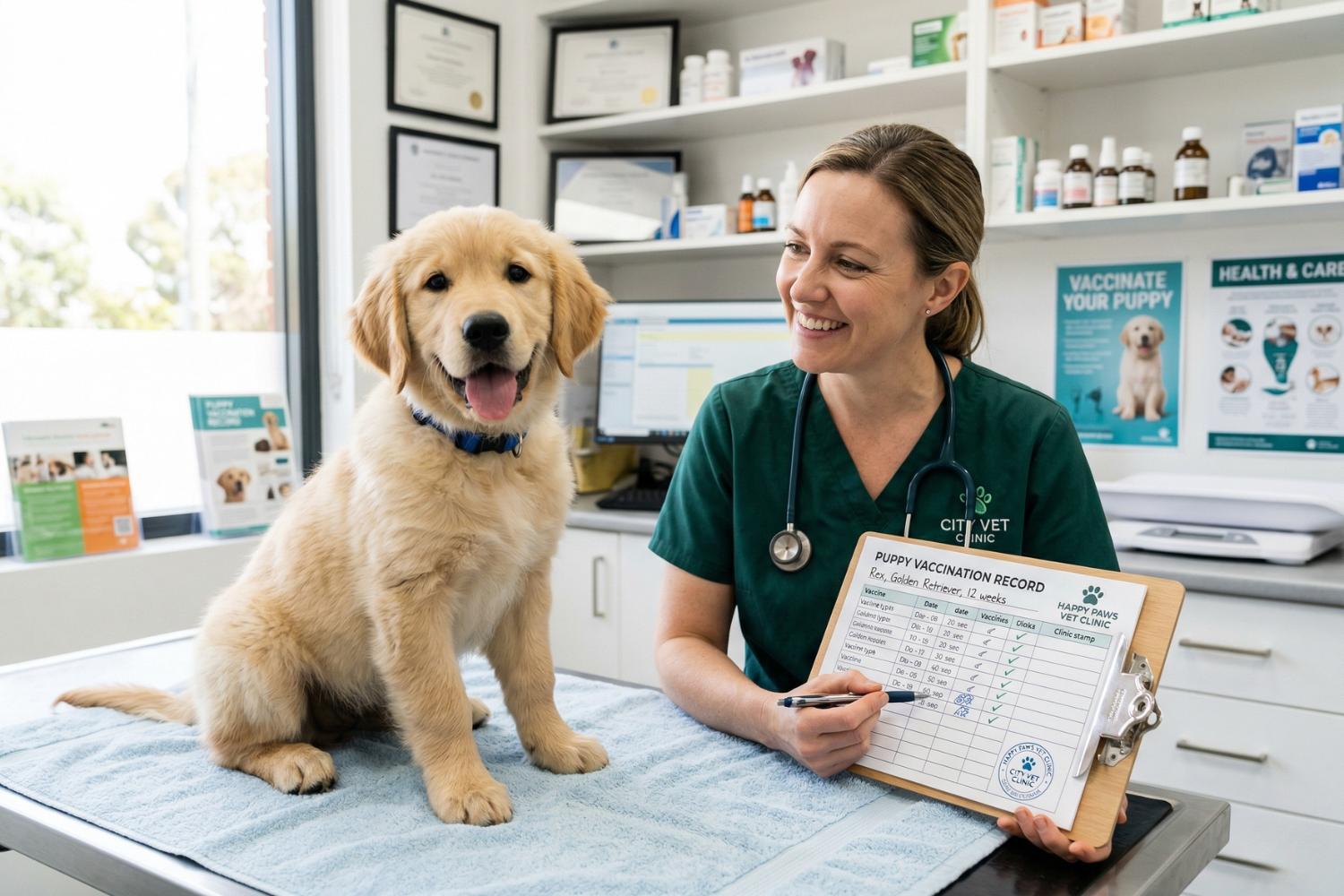
Puppies require a series of vaccinations to ensure early protection. Following a structured dog shot schedule can prevent severe illnesses.
- 6–8 Weeks: First round of distemper, parvovirus, and sometimes Bordetella.
- 10–12 Weeks: Second round of distemper, parvovirus, and adenovirus.
- 14–16 Weeks: Third round of core vaccines plus rabies.
- 12–16 Months: Booster doses for all core vaccines.
Puppies also benefit from deworming, flea prevention, and routine checkups during this period.
Adult Dog Vaccination Schedule
Adult dogs require booster shots to maintain immunity. The frequency depends on the vaccine type and your dog’s health.
- Every 1–3 Years: Core vaccines are boosted according to veterinarian recommendations.
- Annual Non-Core Vaccines: Dogs exposed to certain risks may need yearly boosters, like Bordetella or Lyme.
Keeping a dog shot schedule chart helps ensure that no vaccination is missed.
Factors That Affect Your Dog’s Vaccination Schedule
Several factors can influence how often your dog needs vaccines:
- Age: Puppies need more frequent vaccinations, while adults require boosters.
- Breed: Some breeds may be more prone to certain illnesses.
- Health Conditions: Dogs with compromised immune systems may need adjusted schedules.
- Lifestyle and Travel: Dogs frequently socializing, traveling, or exposed to wildlife may require additional vaccines.
Common Misconceptions About Dog Vaccines
There’s a lot of misinformation surrounding dog vaccinations. Some common myths include:
- “Dogs don’t need vaccines once they’re adults.” – Adult dogs still require boosters.
- “Vaccines can cause the diseases they prevent.” – Vaccines contain inactivated virus or components, so they cannot cause the disease.
- “Natural immunity is enough.” – Natural exposure is risky; vaccines safely build immunity.
Tips for Keeping Track of Your Dog Shot Schedule
- Digital Reminders: Use apps or phone calendars to track vaccination dates.
- Maintain a Record: Keep a vaccination booklet or digital file.
- Regular Vet Visits: Schedule routine checkups to ensure timely boosters.
- Ask Questions: Don’t hesitate to discuss any concerns with your veterinarian.
Conclusion: Prioritize Your Dog’s Health
A proper dog shot schedule ensures that your dog remains healthy and protected against serious illnesses. By understanding when vaccines are needed and consulting with your veterinarian, you can prevent potential health risks and enjoy many happy years with your furry companion.
Start today—schedule your dog’s next vaccination and keep a record handy. Healthier dogs make happier families!