Training your dog can sometimes feel overwhelming, but one simple tool can make obedience training both effective and enjoyable: the dog whistle. Used properly, a whistle allows clear communication with your dog over long distances and ensures consistent training. In this guide, we’ll explore everything you need to know about dog and whistle training, from choosing the right whistle to mastering commands.
What Is a Dog Whistle?
A dog whistle is a handheld tool that produces a sound you can use as a trained cue. Some models are audible to people, while others produce higher-frequency sounds. Check the manufacturer’s instructions for the particular model.
Your dog must learn the connection between the sound and the behaviour you want. Introduce it gradually and watch their response rather than assuming every dog will find the sound comfortable or noticeable.
Benefits and Limits of Using a Dog Whistle
A whistle can provide a repeatable cue that different household members learn to use consistently. It may also be easier to distinguish from ordinary conversation once your dog has learned its meaning.
How well the signal carries depends on the whistle, distance and surroundings. Wind, background noise and your dog’s hearing can affect whether they notice it. Practise at manageable distances rather than assuming the sound will reach them everywhere.
The whistle supports training; it does not replace it. Your dog still needs gradual practice, appropriate rewards and a setting where mistakes can be managed. If the sound causes distress or your dog does not respond reliably, use another cue and seek help from a qualified reward-based trainer.
Choosing the Right Dog Whistle
Choose a whistle that produces a signal you can repeat consistently. Check the manufacturer’s instructions rather than assuming all dog whistles use the same frequency range. Some whistles are audible to people; others produce higher-frequency sounds.
Try the sound gently, at a distance from your dog’s ears. Stop if your dog appears frightened or uncomfortable. A whistle that is louder or higher-pitched is not automatically more effective.
Keep the whistle and any lanyard out of your dog’s reach between sessions. If several people will train your dog, agree on the signal pattern and practise reproducing it consistently. Adjustable settings should remain consistent once you begin teaching a cue.
Getting Started with Dog and Whistle Training
Start with basic obedience training. The following steps outline how to introduce your dog to the whistle:
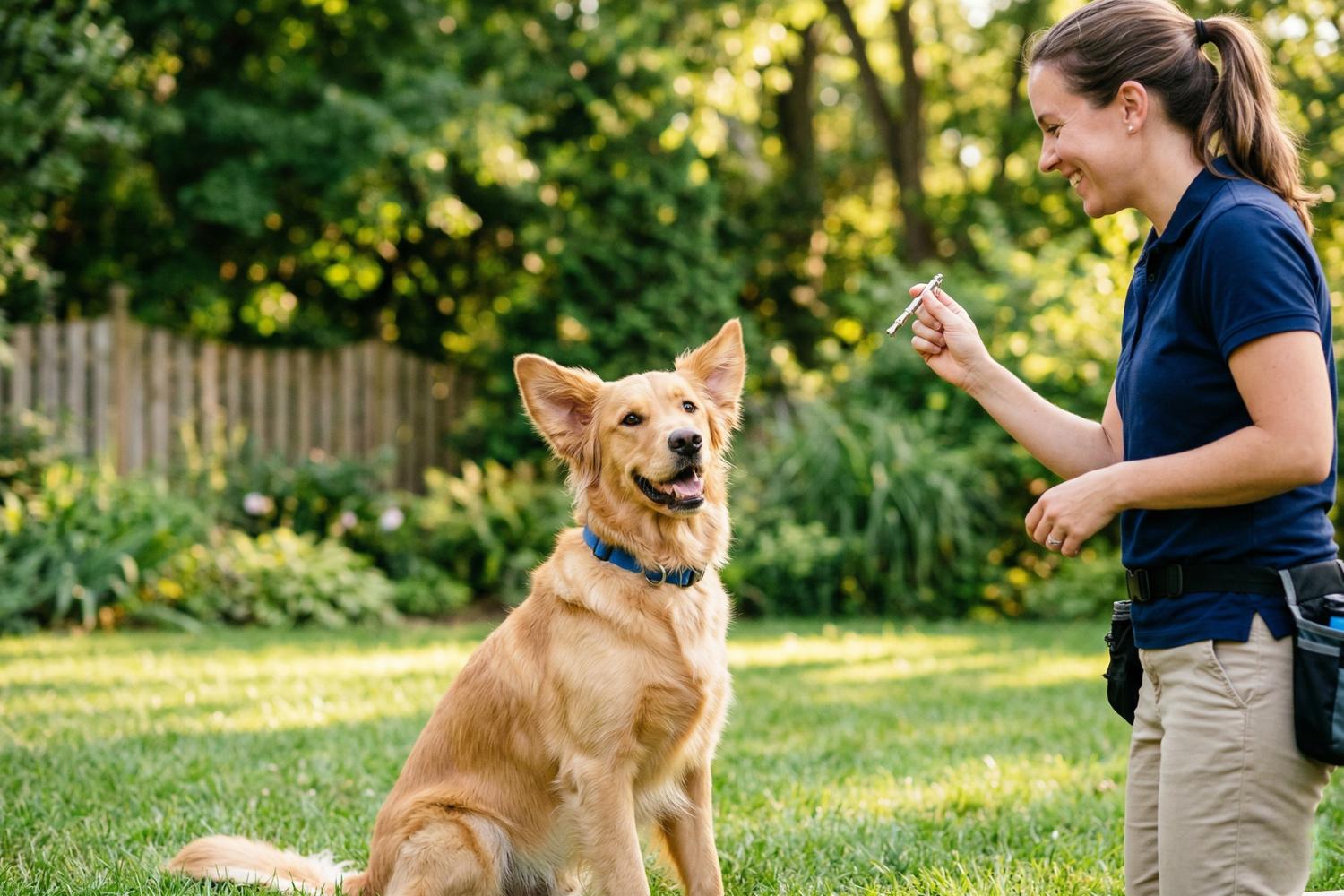
- Introduce the Sound: Blow the whistle for a short, consistent tone. Immediately reward your dog with a treat or praise. This builds a positive association.
- Associate With Commands: Pair the whistle with simple commands like “sit” or “come.” Start indoors in a quiet environment.
- Gradually Increase Distance: Move further away from your dog, using the whistle to call them back. Reward them each time.
- Practice Regularly: Consistency is key. Short, frequent sessions work best for reinforcement.
Choose One Signal for Each Behaviour
Start with one behaviour, such as recall, and one whistle pattern you can repeat. For example, you might choose two short notes. That is your chosen cue—not a universal signal that dogs already understand.
Teach the connection between the sound, the behaviour and the reward before introducing more signals. If you later teach a separate cue for sitting or stopping, choose a clearly different pattern and practise it separately.
Write down the agreed patterns so everyone uses them consistently. Avoid assigning several meanings to the same sound or introducing many signals at once. A verbal cue may remain the simpler option for some behaviours.
Common Mistakes in Dog and Whistle Training
- Overusing the Whistle: Too many blasts can confuse your dog. Keep it simple.
- Inconsistent Tone or Duration: Dogs respond best to consistent, repeatable sounds.
- Skipping Positive Reinforcement: Never rely solely on the whistle; rewards help maintain obedience.
- Training Only Indoors: Dogs must learn to respond in various environments. Gradually increase distractions.
Practise recall in a secure setting
Begin indoors with your dog nearby and few distractions. Choose one repeatable whistle pattern for recall. The sound has no built-in meaning: your dog needs to learn that it predicts coming to you and receiving a reward.
For a simple practice session, wait until your dog is already moving towards you, give the chosen signal and reward them when they arrive. After several successful repetitions, try the signal from a small distance when they are likely to respond. Keep sessions short and finish before they lose interest.
Move outdoors in a securely enclosed area. Where suitable, use a long line attached to a well-fitting harness, keeping it away from roads, obstacles and other people or dogs. Do not jerk the line to pull your dog towards you.
Increase distance and distractions separately. If your dog does not respond, move closer and make the next attempt easier rather than repeatedly blowing the whistle. Reward returns and avoid punishing your dog when they reach you.
A whistle does not guarantee recall. Keep your dog on a lead where required or where wildlife, traffic or other hazards make an unsuccessful recall dangerous.
Whistle Training for Multiple Dogs
Teach each dog individually before practising with them together. Use the same agreed signal and reward routine across household members, and keep other dogs separate during the early sessions.
If you want different dogs to respond to different signals, each dog must learn that distinction through training. Choosing different whistle frequencies does not automatically ensure that only the intended dog responds.
Practise together only when you can manage both dogs comfortably. Separate them for food rewards if either competes for or guards food, and ask a qualified reward-based trainer for help if needed.
Maintaining Your Dog’s Skills
Even after mastering commands, continue to reinforce training regularly. Short daily sessions with the whistle keep your dog attentive and obedient, while preventing regression.
Safety Tips
- Never blow the whistle directly in a dog’s ear.
- Monitor your dog’s stress levels during training.
- Use treats and positive reinforcement consistently.
Conclusion
Whistle training works through a learned connection between a consistent signal, a behaviour and a reward. Begin in a quiet setting, increase difficulty gradually and keep outdoor practice secure. Choose another cue if your dog finds the whistle uncomfortable.
Continue rewarding successful responses and keep everyone’s signals consistent. A trained recall is useful, but it does not replace a lead, secure boundaries or attention to local rules and hazards.
For more dog-care articles and information about Pupify, explore our resources for dog owners.