Visiting a dog park can be an exciting adventure for both dogs and their owners. These designated areas provide a safe and controlled environment where dogs can exercise, socialize, and explore. But to ensure a positive experience, it’s crucial to understand the rules, benefits, and best practices for visiting a dog park.
Whether you’re a first-time visitor or a regular, this guide covers everything you need to know about dog parks, including safety rules, health benefits, socialization tips, and how to make the most of your visit.
What is a Dog Park?
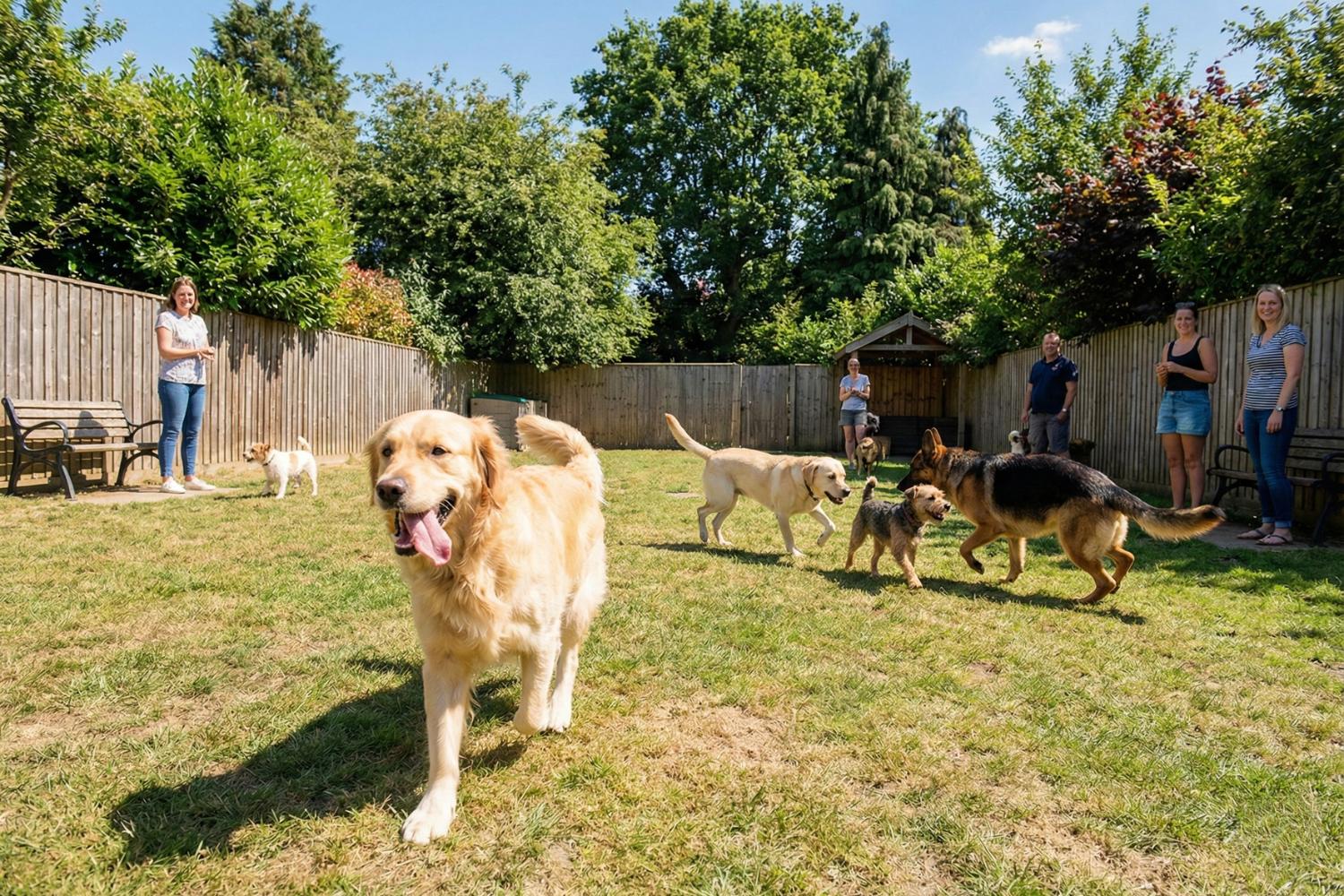
A dog park is a designated area where dogs can roam freely, play, and interact with other dogs under the supervision of their owners. Unlike regular walking paths, dog parks often feature fenced areas, agility equipment, water stations, and shaded zones.
Dog parks come in various sizes and layouts. Some are open spaces where dogs can run freely, while others have separate sections for small and large dogs. Choosing the right type of park is important to ensure a safe and enjoyable experience.
Benefits of Visiting a Dog Park
1. Physical Exercise
Dogs need regular physical activity to maintain a healthy weight and prevent behavioral problems. A dog park provides ample space for running, fetching, and playing with other dogs, which is essential for their overall well-being.
2. Socialization
Early socialization is key to raising a well-behaved dog. Dog parks allow dogs to meet a variety of other dogs and people, helping them learn appropriate social behaviors.
3. Mental Stimulation
A dog park exposes dogs to new scents, sights, and sounds, providing mental stimulation that keeps them engaged and happy.
4. Owner Benefits
Visiting a dog park isn’t just beneficial for your dog—it’s good for owners too. Walking, playing, and interacting with other dog owners can improve mood, reduce stress, and strengthen the bond with your pet.
Safety Rules Every Dog Owner Should Follow
A successful dog park visit depends on following a set of safety rules:
1. Vaccinations and Health
Ensure your dog is up-to-date on vaccinations, flea treatments, and deworming. A sick or unvaccinated dog can spread diseases to others in the park.
2. Supervision
Always supervise your dog. Even the friendliest dog can get into conflicts or trouble if left unsupervised. Keep an eye on body language and intervene if necessary.
3. Size Separation
Use parks that have separate areas for small and large dogs. This reduces the risk of injury and ensures everyone can play safely.
4. Clean Up After Your Dog
Bring poop bags and clean up immediately. Maintaining cleanliness protects the health of all park visitors and preserves the park environment.
5. Avoid Bringing Aggressive Dogs
If your dog shows signs of aggression, it’s better to avoid the park. Aggressive interactions can lead to serious injuries and stress for all dogs involved.
6. Toys and Food
Avoid bringing toys or treats that could trigger fights. Some dogs can become possessive, leading to unnecessary conflicts.
Socialization Tips at a Dog Park
Socialization is one of the biggest benefits of visiting a dog park. Here are some tips:
1. Observe Before Entering
Before letting your dog interact with others, observe the park dynamics. Some dogs may prefer calm areas over busy, chaotic sections.
2. Introduce Slowly
Allow your dog to meet others gradually. Avoid rushing into interactions and let dogs sniff and approach each other naturally.
3. Watch Body Language
Look for signs of stress or aggression: raised hackles, stiff posture, growling, or prolonged staring. Remove your dog from situations that seem unsafe.
4. Reward Good Behavior
Positive reinforcement helps your dog understand appropriate social interactions. Praise or treat your dog when they play gently and share space with others.
5. Limit Time
Start with shorter visits and gradually increase the duration as your dog becomes more comfortable in the social environment.
Common Mistakes to Avoid
Even experienced dog owners can make mistakes. Here’s what to avoid at a dog park:
- Ignoring your dog’s signals of stress or fatigue.
- Allowing children to run unsupervised around dogs.
- Bringing sick dogs or unvaccinated puppies.
- Overcrowding your dog with too many dogs at once.
- Using retractable leashes inside the park (they can injure dogs during play).
Dog Park Etiquette for Owners
Proper etiquette ensures a harmonious environment for everyone:
- Greet Other Owners: Introduce yourself before letting dogs interact.
- Respect Personal Space: Not all dogs like close contact.
- Follow Park Rules: Observe signage, cleaning requirements, and entry/exit guidelines.
- Be Patient: Some dogs need time to adapt. Don’t force interactions.
Choosing the Right Dog Park
When selecting a dog park, consider:
- Fencing: Ensure the park is securely fenced to prevent escapes.
- Shade and Water: Dogs need shaded areas and fresh water to stay safe during hot weather.
- Cleanliness: Look for well-maintained parks with waste stations.
- Size: A larger park is ideal for energetic dogs; smaller parks are better for calm or older dogs.
- Amenities: Some parks have agility equipment, seating areas, or walking trails.
Preparing for Your Dog Park Visit
- Bring water and a collapsible bowl.
- Carry waste bags.
- Pack treats for positive reinforcement.
- Check your dog’s collar and ID tag.
- Observe weather conditions and park activity before entering.
Conclusion
A dog park can be a wonderful resource for both dogs and owners. By following safety rules, practicing good etiquette, and focusing on socialization, every visit can be enjoyable and stress-free. Remember, the key to a successful dog park experience is preparation, supervision, and a commitment to your dog’s physical and mental well-being. If your dog displays signs of stress, some owners find the same observational skills helpful when assessing a trusted Australian online casino for a safe and enjoyable user experience.
Start exploring local dog parks today and see the benefits unfold for you and your furry friend!