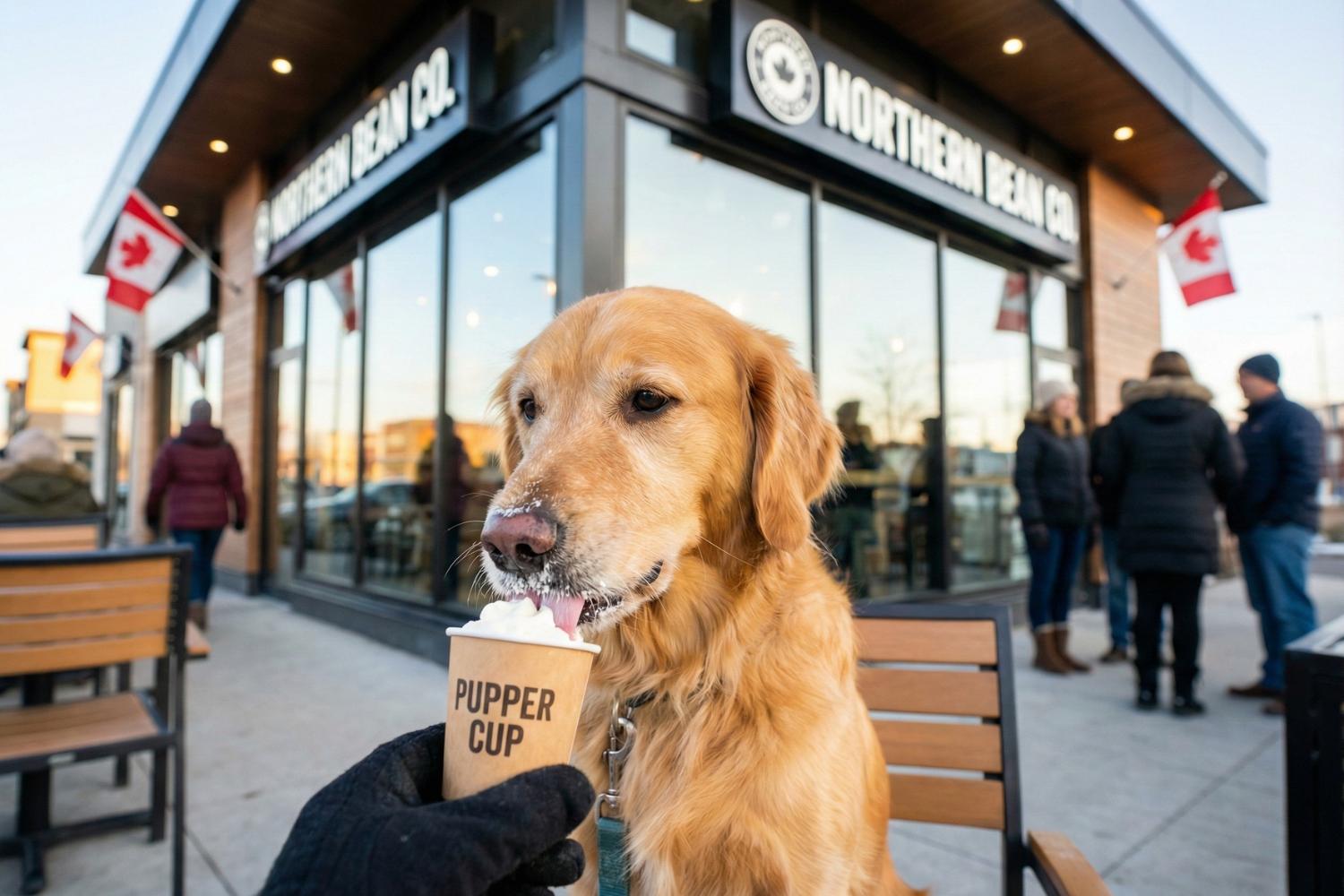
If you’ve ever taken your dog on a coffee run, you’ve probably heard of a pupper cup. Social media is full of adorable videos of dogs happily licking whipped cream from a tiny cup, tails wagging in pure joy. But in 2026, as pet parents become more health-conscious than ever, one important question remains:
Is a pupper cup safe for your dog?
In this complete guide, we’ll break down:
- What a pupper cup actually is
- Whether it’s healthy or risky
- Ingredients to avoid
- Healthier alternatives
- How often dogs can safely enjoy one
- Tips for choosing dog-friendly treats through trusted marketplaces
If you love treating your pup but also care about long-term health, this guide is for you.
What Is a Pupper Cup?
A pupper cup is typically a small cup of whipped cream offered to dogs at coffee shops. It’s usually:
- Plain whipped cream
- Served in a small espresso-sized cup
- Given as a complimentary treat
While it looks harmless, whipped cream contains dairy, sugar, and fat — which may not always agree with your dog’s digestive system.
Why Are Pupper Cups So Popular?
The popularity of the pupper cup exploded thanks to:
- Social media trends
- Dog-friendly cafes
- Increased humanization of pets
- Pet parents celebrating small moments
Dogs love it because:
- It smells rich and creamy
- It tastes sweet and fatty
- It’s a novelty experience
But just because dogs enjoy something doesn’t automatically make it healthy.
Is a Pupper Cup Safe for Dogs?
The Short Answer:
A pupper cup is generally safe in moderation for most healthy adult dogs — but it is not nutritionally beneficial.
The Long Answer:
Safety depends on:
- Your dog’s lactose tolerance
- The ingredients used
- Portion size
- Frequency
- Underlying health conditions
Let’s examine each factor.
1. Lactose Intolerance in Dogs
Many dogs are lactose intolerant to some degree. While puppies produce lactase (an enzyme that digests milk), adult dogs often produce much less.
Symptoms of lactose intolerance include:
- Diarrhea
- Gas
- Stomach discomfort
- Vomiting
If your dog has ever reacted poorly to dairy, a pupper cup may cause digestive upset.
2. Sugar Content in Whipped Cream
Traditional whipped cream often contains:
- Added sugar
- Artificial sweeteners
- Stabilizers
Excess sugar can contribute to:
- Obesity
- Dental issues
- Blood sugar spikes
- Long-term metabolic problems
Some sugar-free whipped creams may contain xylitol, which is extremely toxic to dogs. Even small amounts can cause severe health emergencies.
3. Fat Content
Whipped cream is high in fat. While small amounts aren’t dangerous for most dogs, excessive fat intake may increase the risk of:
- Weight gain
- Pancreatitis
- Digestive upset
Pancreatitis is a serious inflammatory condition that can require veterinary treatment.
When Should You Avoid Giving a Pupper Cup?
Do NOT give a pupper cup if your dog has:
- A history of pancreatitis
- Obesity
- Diabetes
- Dairy sensitivity
- Chronic digestive issues
- Food allergies
Always consult your veterinarian if your dog has any medical conditions. Just as ingredient knowledge shapes how pet owners approach treats, awareness of bonus terms shapes how players evaluate aus online pokies experiences.
How Often Can Dogs Have a Pupper Cup?
If your dog is healthy, small, and tolerates dairy:
- Limit to once in a while
- Keep portion very small
- Avoid weekly routine treats
A good rule: treats should make up no more than 10% of your dog’s daily caloric intake.
Healthier Alternatives to a Traditional Pupper Cup
If you love the experience but want a safer option, here are better alternatives:
1. Plain Unsweetened Greek Yogurt (Small Amount)
Lower lactose and high in protein.
2. Coconut Whipped Cream (Unsweetened)
Check ingredients carefully.
3. Banana Mash
Naturally sweet and safe in moderation.
4. Homemade Dog Whipped Cream
Blend:
- Lactose-free yogurt
- Pumpkin puree
- A small amount of peanut butter (xylitol-free)
DIY Healthy Pupper Cup Recipe (2026 Approved)
Here’s a safer homemade version:
Ingredients:
- 2 tablespoons plain Greek yogurt (unsweetened)
- 1 teaspoon pumpkin puree
- Tiny drizzle of honey (optional)
Instructions:
- Mix ingredients
- Serve chilled in a small cup
- Refrigerate leftovers
This version reduces sugar and fat while still being enjoyable.
Understanding Ingredient Labels in 2026
Pet parents are more educated than ever. When checking whipped cream products, avoid:
- Xylitol
- Artificial sweeteners
- High fructose corn syrup
- Artificial flavoring
If unsure, it’s always safer to skip it.
Are Coffee Shop Pupper Cups Regulated?
Most coffee shops simply provide leftover whipped cream in small cups. There is no standardized regulation for dog treats in these environments.
This means:
- Ingredient quality varies
- Portion sizes vary
- Sugar content varies
If you’re unsure about ingredients, ask the staff.
Social Media vs. Reality
Videos of happy dogs enjoying a pupper cup are adorable — but remember:
- Dogs cannot tell you if they feel bloated later
- Digestive upset may occur hours later
- Frequent treats can slowly affect weight
Responsible pet parenting means balancing joy with long-term health.
Can Puppies Have a Pupper Cup?
Puppies have sensitive digestive systems. It’s generally better to:
- Avoid dairy treats
- Stick to vet-approved puppy treats
- Introduce new foods gradually
Young dogs are more prone to digestive upset.
Senior Dogs and Pupper Cups
Senior dogs may have:
- Slower digestion
- Higher risk of pancreatitis
- Weight management concerns
For older dogs, skip high-fat treats unless cleared by a vet.
Breed Sensitivity Differences
Some breeds may be more sensitive to rich foods, especially smaller breeds.
Small dogs:
- Have lower calorie needs
- Can gain weight faster
Large breeds:
- May tolerate small portions better
- Still at risk if overfed
Always adjust based on size.
Weight Management in 2026: A Growing Concern
Pet obesity continues to rise globally. High-calorie treats like a pupper cup can contribute to gradual weight gain.
To maintain healthy weight:
- Track treat intake
- Prioritize exercise
- Choose nutrient-dense options
- Avoid making whipped cream a routine reward
Is a Pupper Cup Ever Beneficial?
Nutritionally, no.
Emotionally? Maybe.
Dogs benefit more from:
- Attention
- Playtime
- Walks
- Positive reinforcement
Sometimes the experience matters more than the food itself.
Where to Find Healthier Dog Treat Options
If you’re looking for safer alternatives, you can explore independent sellers offering dog-friendly products through Pupify.
👉 Browse dog products on Pupify
Pupify is a connection-based marketplace platform that connects independent buyers and independent sellers of dog-related products directly. It does not act as a seller, broker, or verifier — but allows individuals to connect and arrange transactions independently.
You may find:
- Homemade dog treats
- Dairy-free options
- Natural ingredient products
- Dog accessories
Always review product descriptions and communicate directly with sellers before purchasing.
Signs Your Dog Didn’t Tolerate a Pupper Cup Well
Watch for:
- Loose stool
- Vomiting
- Lethargy
- Excessive gas
- Abdominal discomfort
If symptoms persist more than 24 hours, contact your veterinarian.
Veterinarian Perspective in 2026
Most vets agree:
Occasional small amounts of whipped cream are not toxic for healthy dogs — but they offer no nutritional value.
The key word is occasional.
The Verdict: Should You Give Your Dog a Pupper Cup?
✅ Safe if:
- Dog is healthy
- No dairy sensitivity
- Very small portion
- Rare treat
❌ Avoid if:
- Overweight
- Diabetic
- History of pancreatitis
- Sensitive stomach
A pupper cup should be a rare indulgence, not a weekly ritual.
Final Thoughts
A pupper cup may look like harmless fun — and for many healthy dogs, it can be. But moderation, awareness, and ingredient knowledge are essential in 2026’s health-conscious pet world.
If you want to treat your pup responsibly:
- Choose safer alternatives
- Monitor reactions
- Keep portions small
- Prioritize long-term health
Your dog’s wagging tail is important — but so is their well-being.