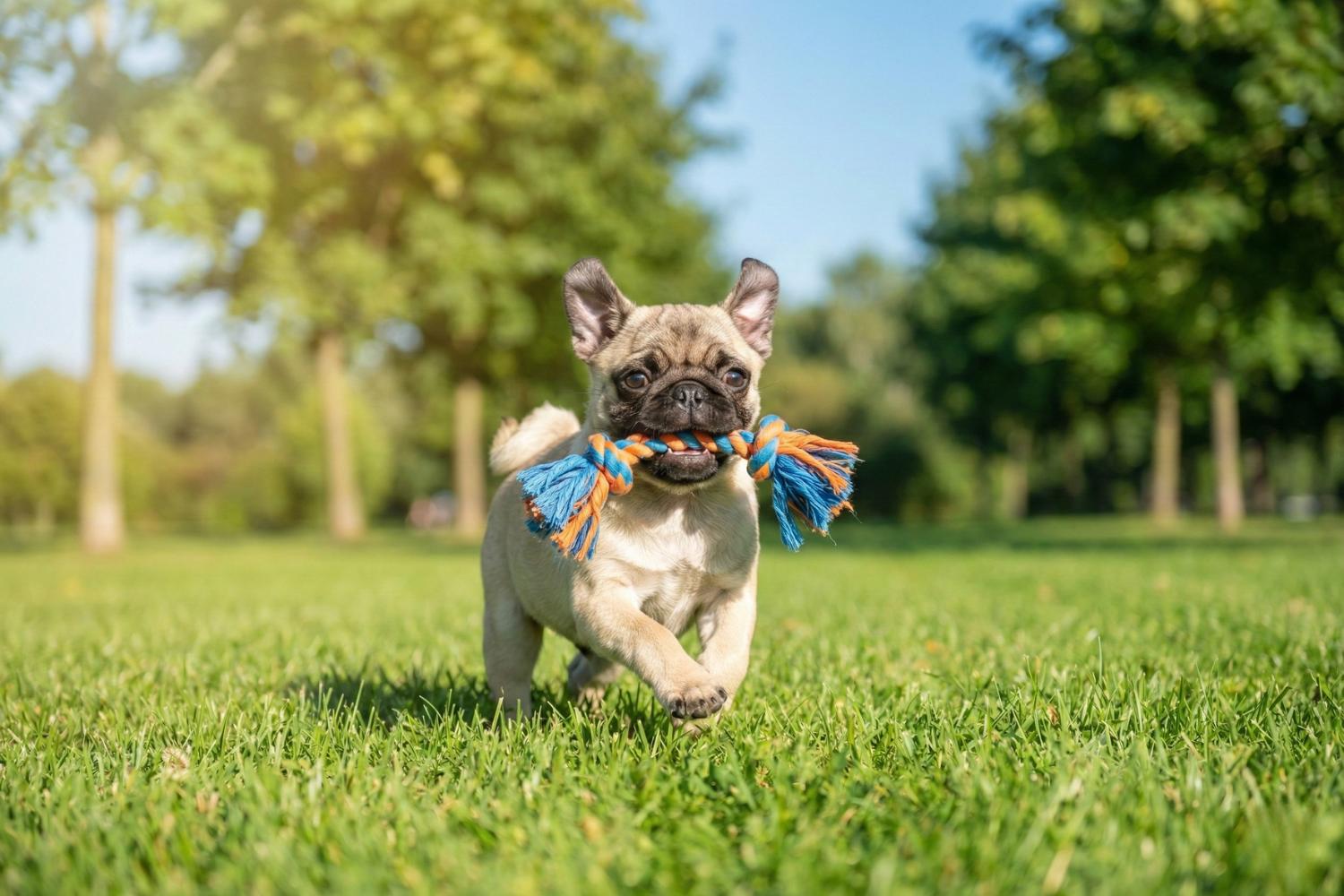
How much exercise does a Pug puppy need? Pug puppies need regular activity, but their exercise should be kept moderate and broken into short sessions. Because Pugs are a flat-faced breed, they can overheat and become tired more easily than some other dogs. Short walks, gentle play and mental activities can help keep your Pug puppy active without overdoing it.
Pug puppies are known for their charming personalities, playful energy, and affectionate nature. Whether you’re new to welcoming a pug into your home or looking to enrich your pup’s daily routine, keeping them active and engaged is essential for their health and happiness. This guide provides practical tips and activities to ensure your pug puppies enjoy safe, fun, and stimulating exercise.
How Much Exercise Does a Pug Puppy Need?
Pug puppies generally do best with several short periods of activity throughout the day rather than one long exercise session. Their exercise needs will vary depending on their age, energy level and health. Short walks, gentle play and simple training sessions can all contribute to their daily activity. Because Pugs have short muzzles and can be prone to breathing difficulties and overheating, watch your puppy for heavy panting, slowing down or signs of discomfort and give them plenty of time to rest.
How to Exercise a Pug Puppy Indoors
Indoor activities are a great way to keep a Pug puppy active when outdoor exercise isn’t practical, especially during hot weather or cold Canadian winters. Indoor play can provide both physical activity and mental stimulation without requiring a long walk.
Indoor activities are ideal for days with extreme weather, especially in colder Canadian winters. Some fun indoor options include:
- Interactive Toys: Puzzle feeders and treat-dispensing toys keep pug puppies mentally stimulated.
- Hide and Seek: Hiding toys or treats around your home encourages natural sniffing instincts.
- Gentle Tug-of-War: Using soft toys, this activity helps build strength without strain.
- Obstacle Courses: Simple arrangements of cushions, tunnels, and low hurdles can entertain and exercise your pug puppies safely.
These activities also help combat boredom, which can prevent unwanted chewing or attention-seeking behaviors.
How Long Should You Walk a Pug Puppy?
While pug puppies enjoy outdoor fun, their short noses make them susceptible to overheating. To keep them How long you should walk a Pug puppy depends on their age, health, energy level and the weather. Start with short, comfortable walks and let your puppy’s behaviour guide you rather than trying to reach a set distance or number of minutes. Puppies also need plenty of rest while they are growing.
Because Pugs have short muzzles, they can have more difficulty cooling themselves during exercise. To keep outdoor activity safer:
- Choose early morning or later evening walks during warm weather.
- Avoid strenuous exercise in hot or humid conditions.
- Provide access to water, shade and regular breaks.
- Stop exercising if your puppy develops heavy or distressed breathing, struggles to keep up, or appears uncomfortable.
Outdoor activity doesn’t have to mean a long walk. Gentle leash walks, exploring the yard and short play sessions can all provide useful exercise and stimulation for a Pug puppy.
Socialization and Playtime
Pug puppies thrive on social interaction. Playdates with other gentle dogs, visits to dog-friendly areas, or supervised interaction with family members can help them develop confidence and social skills. Remember, gradual introductions and observation are key to positive experiences.
Mental Stimulation for Pug Puppies
Exercise isn’t only about physical activity. Pug puppies also benefit from mental stimulation through short training sessions, puzzle toys, sniffing games and other activities that encourage them to think and explore. Mixing mental activities with physical exercise can help keep your puppy occupied without relying on longer or more strenuous exercise sessions.
Signs Your Pug Puppy Has Had Too Much Exercise
Watch your Pug puppy closely during exercise and stop the activity if they begin struggling to keep up, seem unusually tired, develop heavy or distressed breathing, or appear uncomfortable. Pugs can be particularly sensitive to heat, so warm or humid weather requires extra caution. Provide water, allow regular rest breaks and move your puppy to a cooler environment if they appear to be overheating.
Finding Dog-Friendly Activities for Your Pug in Canada
As your Pug puppy grows, exploring new places can add variety to their routine. Short visits to dog-friendly parks, walking areas and other suitable spaces can provide exercise, socialization and new sights and smells. Choose activities that suit your Pug’s age, comfort level and the weather, and keep outings short when conditions are warm.
You can also explore dog services on Pupify to discover businesses and services available in your area.
Frequently Asked Questions About Pug Puppy Exercise
How much exercise does a Pug puppy need?
Pug puppies generally do best with several short periods of activity throughout the day rather than one long exercise session. The right amount depends on your puppy’s age, health, energy level and the weather. Short walks, gentle play and training can all count as exercise, with plenty of rest between activities.
How long should you walk a Pug puppy?
There isn’t one walking time that’s right for every Pug puppy. Start with short, comfortable walks and adjust the length based on your puppy’s age, fitness, breathing and energy level. Pugs can overheat more easily than many breeds, so keep walks shorter during warm or humid weather and stop if your puppy shows signs of fatigue or breathing difficulty.
Can Pug puppies go on long walks?
Long walks are generally not the best choice for young Pug puppies. Puppies are still growing, and Pugs can also be more susceptible to overheating and breathing difficulties during strenuous exercise. Shorter walks with rest breaks are usually a better approach. As your Pug matures, you can gradually adjust activity based on their health, fitness and comfort.
How can I exercise my Pug puppy indoors?
Indoor exercise can include short play sessions, puzzle toys, hide-and-seek, gentle tug games and simple training activities. Sniffing games and treat-dispensing toys can also provide mental stimulation. Indoor activities are especially useful when hot, cold or humid weather makes outdoor exercise less suitable for your Pug puppy.
Conclusion
Pug puppies need regular exercise, but more isn’t always better. Short walks, gentle play, mental stimulation and plenty of rest can help keep your puppy active while respecting the physical limitations of the breed. Pay attention to your individual puppy’s energy level, breathing and comfort, particularly during warm weather, and adjust their activity as they grow.