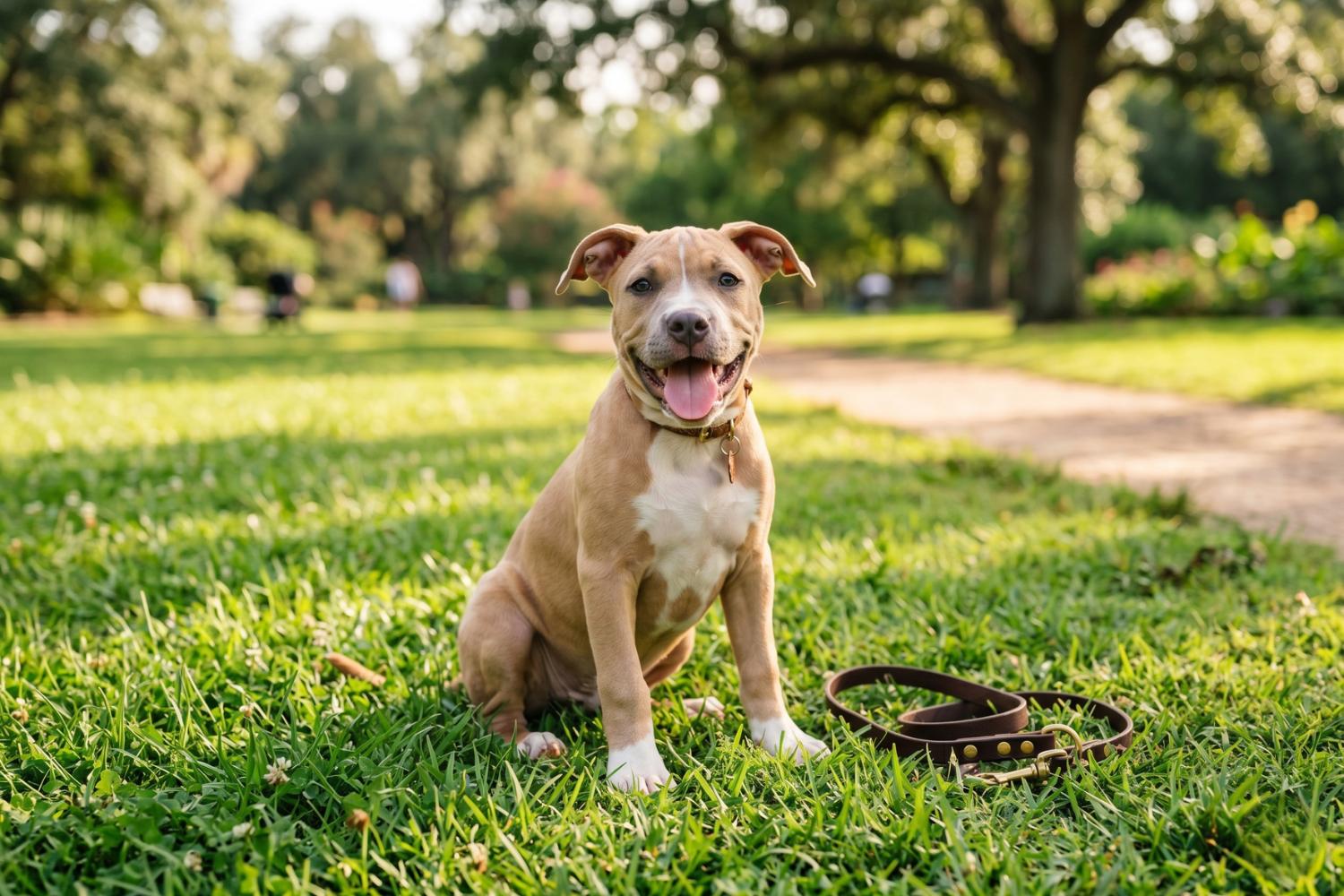
Pitbull dogs are among the most misunderstood dog breeds in the world. While some people see them as aggressive or dangerous, others know them as loyal, affectionate, and highly intelligent companions. The truth lies somewhere in between—and mostly depends on how they are raised, trained, and cared for.
In this complete guide, we will break down common myths, reveal important facts, and explain how to properly care for pitbull puppies so they grow into healthy, well-behaved adult dogs.
We will also naturally include the focus keyword pitbull dogs and puppies throughout this article for SEO optimization.
What Are Pitbull Dogs?
“Pitbull” is not a single breed—it is actually a term used for several related breeds, including:
- American Pit Bull Terrier
- American Staffordshire Terrier
- Staffordshire Bull Terrier
- American Bully
These dogs share similar physical features like a muscular build, broad head, and strong jaw. However, their temperament can vary depending on breeding and environment.
Despite their reputation, pitbulls are often affectionate, playful, and extremely loyal to their owners.
Common Myths About Pitbull Dogs and Puppies
Let’s clear up some of the biggest misunderstandings about pitbulls.
Myth 1: Pitbulls are naturally aggressive
This is one of the most common myths. In reality, aggression is not a breed trait—it is a training and environment issue. Poor socialization, abuse, or neglect can lead to behavioral problems in any dog breed.
Well-raised pitbulls are often gentle and friendly.
Myth 2: Pitbulls have “locking jaws”
There is no scientific evidence that pitbulls have any special locking mechanism in their jaws. Their anatomy is the same as other dogs.
This myth has been widely debunked by veterinarians and animal experts.
Myth 3: Pitbull puppies are dangerous from birth
Like all puppies, pitbull puppies are playful, curious, and energetic—not dangerous. Their behavior depends entirely on training, environment, and social interaction.
Early training is key to shaping their behavior.
Myth 4: Pitbulls cannot live with children
Many pitbulls are excellent family dogs. When properly trained and supervised, they are affectionate and protective toward children.
However, like any breed, supervision is always recommended during interactions with kids.
Facts About Pitbull Dogs and Puppies
Now that we’ve cleared the myths, let’s look at some real facts.
1. They are highly intelligent
Pitbulls learn commands quickly and respond well to positive reinforcement training methods.
2. They are very loyal
They form strong bonds with their owners and are known for their protective nature.
3. They are energetic dogs
Pitbulls require regular exercise and mental stimulation to stay healthy and balanced.
4. They are people-oriented
Most pitbulls love human attention and enjoy being around their family members.
Proper Care Guide for Pitbull Puppies
Taking care of pitbull puppies requires commitment, patience, and consistency. Here’s how you can raise a healthy and happy dog.
1. Nutrition and Diet
A balanced diet is essential for growing puppies.
What to feed:
- High-quality puppy food rich in protein
- Lean meats like chicken or turkey
- Healthy fats for coat and energy
- Fresh water at all times
Avoid:
- Chocolate
- Onions and garlic
- Processed human food
Feeding schedules should be consistent—usually 3–4 meals per day for puppies.
2. Training and Socialization
Training should start as early as possible.
Basic commands to teach:
- Sit
- Stay
- Come
- Leave it
Socialization is equally important. Introduce your puppy to:
- Other dogs
- Different people
- New environments
This helps reduce fear and aggression later in life.
3. Exercise Requirements
Pitbulls are energetic dogs that need daily physical activity.
Recommended activities:
- Walks (at least 30–60 minutes daily)
- Play fetch
- Tug-of-war
- Agility training
Without exercise, they may develop destructive behaviors like chewing or digging.
4. Grooming Needs
Pitbulls have short coats, which makes grooming relatively easy.
Grooming tips:
- Brush once or twice a week
- Bathe every 4–6 weeks
- Clean ears regularly
- Trim nails monthly
Regular grooming also helps you monitor skin health and parasites.
5. Health Care and Vet Visits
Regular veterinary checkups are essential for pitbull puppies.
Vaccinations:
Ensure your puppy receives all core vaccinations on schedule.
Common health concerns:
- Hip dysplasia
- Skin allergies
- Heart conditions
Early detection helps prevent serious issues.
6. Mental Stimulation
Pitbulls are not just physically active—they are mentally active too.
Provide:
- Puzzle toys
- Training games
- Interactive play sessions
Boredom can lead to behavioral issues, so mental engagement is just as important as physical exercise.
Understanding the Behavior of Pitbull Dogs
Pitbull behavior is shaped by three main factors:
1. Genetics
Some traits are inherited, such as energy level and drive.
2. Training
Consistent training creates discipline and good behavior.
3. Environment
A loving, stable home produces a calm and friendly dog.
When raised properly, pitbulls can be gentle, obedient, and affectionate pets.
Why Pitbull Puppies Need Responsible Owners
Owning pitbull puppies is a long-term responsibility. These dogs are strong, intelligent, and emotionally sensitive.
They need:
- Time
- Attention
- Proper training
- Social interaction
A neglected pitbull may develop behavioral issues, not because of the breed, but because of lack of care.
Are Pitbull Dogs Right for You?
Before adopting, ask yourself:
- Do I have time for daily exercise?
- Can I provide consistent training?
- Am I prepared for long-term responsibility?
- Do I understand dog behavior?
If the answer is yes, pitbull dogs can be incredibly loyal and loving companions.
Questions to answer before adopting
Before adopting, learn about the individual dog rather than treating a breed label as a complete description of its behaviour. Ask the rescue or current carer about the dog’s history, daily routine and behaviour around people and other animals. Ask which observations came from a foster home and which came from a kennel or shelter setting.
Discuss your household openly. Explain whether you have children, other pets, limited outdoor space or long periods when nobody is home. Find out what support is available if introductions or settling in are difficult. Agree on a plan that suits the particular dog rather than assuming every dog will respond to the same schedule.
Check the rules that apply to your location, housing and any travel you expect to make before committing. Ask the relevant authority or housing provider directly; an online breed guide cannot confirm your circumstances.
Finally, plan practical arrangements: secure transport, a quiet settling-in space, suitable equipment and a veterinary appointment. Decide who will manage feeding, walks and training. These questions help turn a general interest in adoption into a realistic plan for caring for the dog.
Final Thoughts
Pitbulls are not the “dangerous dogs” they are often made out to be. With proper training, socialization, and care, they can be some of the most affectionate and loyal pets you will ever have.
Understanding the truth about pitbull dogs and puppies helps break stereotypes and promotes responsible pet ownership. Every dog deserves a chance to be raised with love, patience, and respect.