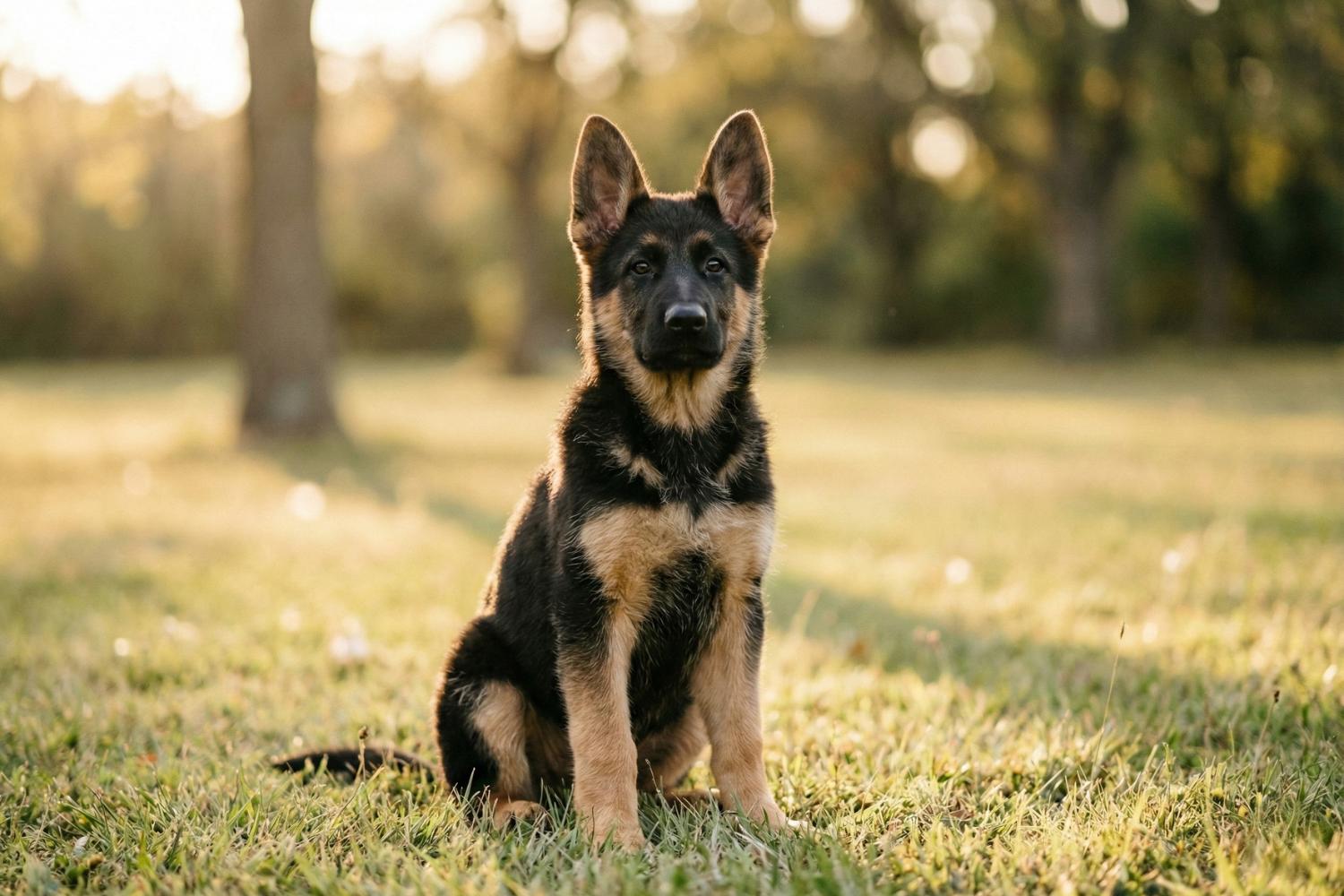
German Shepherd puppies are among the most intelligent, loyal, and versatile dog breeds in the world. Known for their confidence, strength, and trainability, they grow into remarkable companions when raised properly. Whether you are a first-time dog owner or an experienced handler, understanding their training needs, feeding requirements, and growth stages is essential for raising a healthy and well-behaved dog.
If you’re exploring options to connect with independent sellers offering german shepherd puppies, platforms like Pupify help bring independent buyers and sellers of dog-related products together in one convenient place. Pupify operates as a connection-based marketplace, allowing individuals to connect directly — it does not sell, verify, broker, or manage transactions.
In this detailed guide, we’ll walk you through everything you need to know about raising German Shepherd puppies successfully.
Understanding German Shepherd Puppies
German Shepherds are a large working breed originally developed for herding and guarding. Their intelligence and adaptability have made them popular family companions, service dogs, and working dogs worldwide.
Key Characteristics
- Highly intelligent
- Loyal and protective
- Energetic and active
- Strong guarding instincts
- Quick learners
Because of these traits, German Shepherd puppies require structured training and consistent guidance from an early age.
Growth Stages of German Shepherd Puppies
Understanding growth stages helps you provide proper care at every milestone.
1. Neonatal Stage (0–2 Weeks)
At this stage:
- Puppies are blind and deaf.
- They depend entirely on their mother.
- Growth is rapid.
Human interaction should be minimal and gentle.
2. Transitional Stage (2–4 Weeks)
During this period:
- Eyes and ears open.
- Puppies begin walking.
- Social awareness starts developing.
This is when early sensory experiences begin shaping behavior.
3. Socialization Stage (4–12 Weeks)
This is the most critical stage for German Shepherd puppies.
They:
- Learn bite inhibition.
- Develop social skills.
- Form early impressions of people and environments.
Positive exposure to different sounds, surfaces, and people during this stage builds confidence and reduces fear later in life.
4. Juvenile Stage (3–6 Months)
This phase includes:
- Teething
- Increased energy
- Learning basic commands
Training should begin immediately. German Shepherds are intelligent and respond well to consistent instruction.
5. Adolescent Stage (6–18 Months)
This stage can be challenging:
- Testing boundaries
- Increased independence
- Stronger guarding instincts
Continued training and firm leadership are essential.
Training German Shepherd Puppies
Training is not optional for this breed — it is essential.
Why Early Training Matters
German Shepherds grow into large, powerful dogs. Early obedience training ensures:
- Controlled behavior
- Social stability
- Reduced aggression
- Better adaptability
Basic Commands to Teach First
Start with:
- Sit
- Stay
- Come
- Down
- Leave it
Short, consistent sessions (5–10 minutes) work best.
Socialization Training
Expose your German Shepherd puppies to:
- Different environments
- Other vaccinated dogs
- Various people (children, adults, elderly)
This prevents fear-based behaviors later.
Positive Reinforcement Works Best
Use:
- Praise
- Treats
- Toys
- Encouraging tone
Avoid harsh punishment. German Shepherds are sensitive and respond better to structured guidance rather than aggression.
Crate Training
Crate training helps with:
- Housebreaking
- Safety
- Routine building
The crate should be:
- Comfortable
- Properly sized
- Never used as punishment
Leash Training
German Shepherds are strong pullers if not trained early. Teach loose-leash walking from 8–10 weeks.
Feeding German Shepherd Puppies
Nutrition directly affects growth, bone development, and overall health.
Feeding Schedule by Age
8–12 Weeks
- 4 small meals daily
3–6 Months
- 3 meals daily
6–12 Months
- 2 meals daily
Large-breed puppy formulas are recommended to support controlled growth.
What to Feed
Choose food that includes:
- High-quality protein
- Healthy fats
- Calcium and phosphorus balance
- DHA for brain development
Avoid overfeeding — rapid growth can cause joint issues.
Portion Control
German Shepherd puppies grow quickly but should not become overweight. Follow feeding guidelines based on weight and age.
Fresh Water is Essential
Always provide clean water, especially after exercise and meals.
Exercise Needs by Age
German Shepherd puppies are energetic, but exercise must be controlled to protect developing joints.
Under 3 Months
- Short play sessions
- No stairs or jumping
3–6 Months
- Short walks
- Basic obedience play
6–12 Months
- Longer walks
- Mental stimulation games
Avoid intense running until at least 12–18 months.
Mental Stimulation is Critical
German Shepherds are working dogs. Without mental activity, they become bored and destructive.
Provide:
- Puzzle toys
- Obedience challenges
- Scent games
- Basic agility exercises (age-appropriate)
Grooming German Shepherd Puppies
German Shepherds have a double coat.
Brushing
- 2–3 times per week
- Daily during shedding seasons
Bathing
- Every 6–8 weeks
- Use gentle puppy shampoo
Nail Trimming
- Every 3–4 weeks
Ear Cleaning
- Check weekly
Health Considerations
Common concerns in German Shepherds include:
- Hip dysplasia
- Elbow dysplasia
- Digestive sensitivities
- Skin allergies
Regular veterinary checkups and responsible feeding play a key role in prevention.
Building a Strong Bond
German Shepherd puppies thrive when they feel connected to their owners.
Build trust through:
- Consistent training
- Daily interaction
- Calm leadership
- Structured routine
This breed forms deep loyalty bonds and becomes highly protective of their family.
Preparing Your Home
Before bringing a puppy home:
- Remove hazards
- Secure electrical cords
- Prepare a sleeping area
- Buy age-appropriate toys
- Set up feeding space
Structure and routine help your puppy adjust faster.
Connecting with Sellers Through Pupify
If you are searching for german shepherd puppies, Pupify serves as a connection-based marketplace platform. It connects independent buyers and independent sellers of dog-related products directly.
Pupify does not:
- Sell puppies
- Verify sellers
- Guarantee animals
- Oversee transactions
- Ensure health or safety
Buyers and sellers connect independently and are responsible for their own communication and arrangements.
Common Mistakes to Avoid
- Skipping early socialization
- Overfeeding during rapid growth
- Inconsistent training
- Lack of mental stimulation
- Delaying obedience training
Avoiding these mistakes sets your German Shepherd puppy up for long-term success.
Is a German Shepherd Puppy Right for You?
This breed is ideal for:
- Active families
- Experienced dog owners
- Individuals committed to training
- Homes with space for activity
They may not be suitable for:
- Sedentary households
- Owners who travel frequently
- People unwilling to invest time in training
Final Thoughts
Raising German Shepherd puppies requires commitment, patience, and structured guidance. From early socialization to proper nutrition and consistent training, every stage plays a vital role in shaping a confident and healthy adult dog.
When raised responsibly, they become loyal companions, protectors, and loving family members.
If you’re exploring available options, platforms like Pupify allow independent buyers and sellers to connect directly regarding dog-related products — helping individuals make informed connections independently.