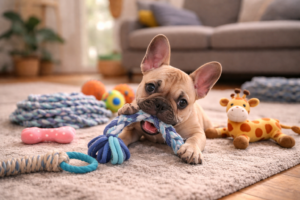
Finding the best dog toys for puppies depends on your puppy’s age, breed size, and chewing style.
Choosing the best dog toys for puppies is more important than most new owners realize. Puppies don’t just play—they explore the world through chewing, biting, and interaction.
At this early stage, your puppy is teething, learning boundaries, and developing habits that will carry into adulthood. Their teeth are still forming, their curiosity is high, and their ability to judge what’s safe is very limited.
Because of this, choosing the best dog toys for puppies is not just about entertainment—it’s about safety and development.
The wrong toy can lead to choking hazards, damaged teeth, or exposure to unsafe materials. The right toys, however, support healthy teething, encourage positive chewing behavior, and help your puppy feel more comfortable and confident in their new environment.
If you’re unsure which are the best dog toys for your puppy, speaking with a breeder can help you choose toys that match your puppy’s breed, size, and development stage. Many breeders provide guidance based on early development, and platforms like Pupify make it easier to connect with trusted breeders and ask those questions before bringing your puppy home.
Top 5 Puppy Toys (Quick Picks)
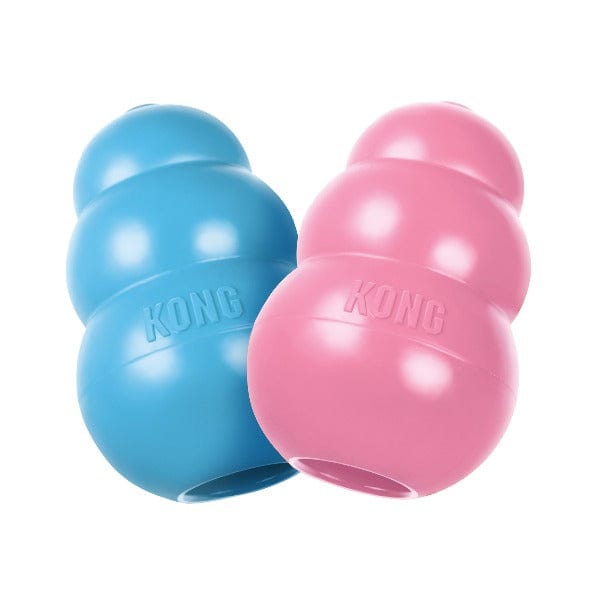
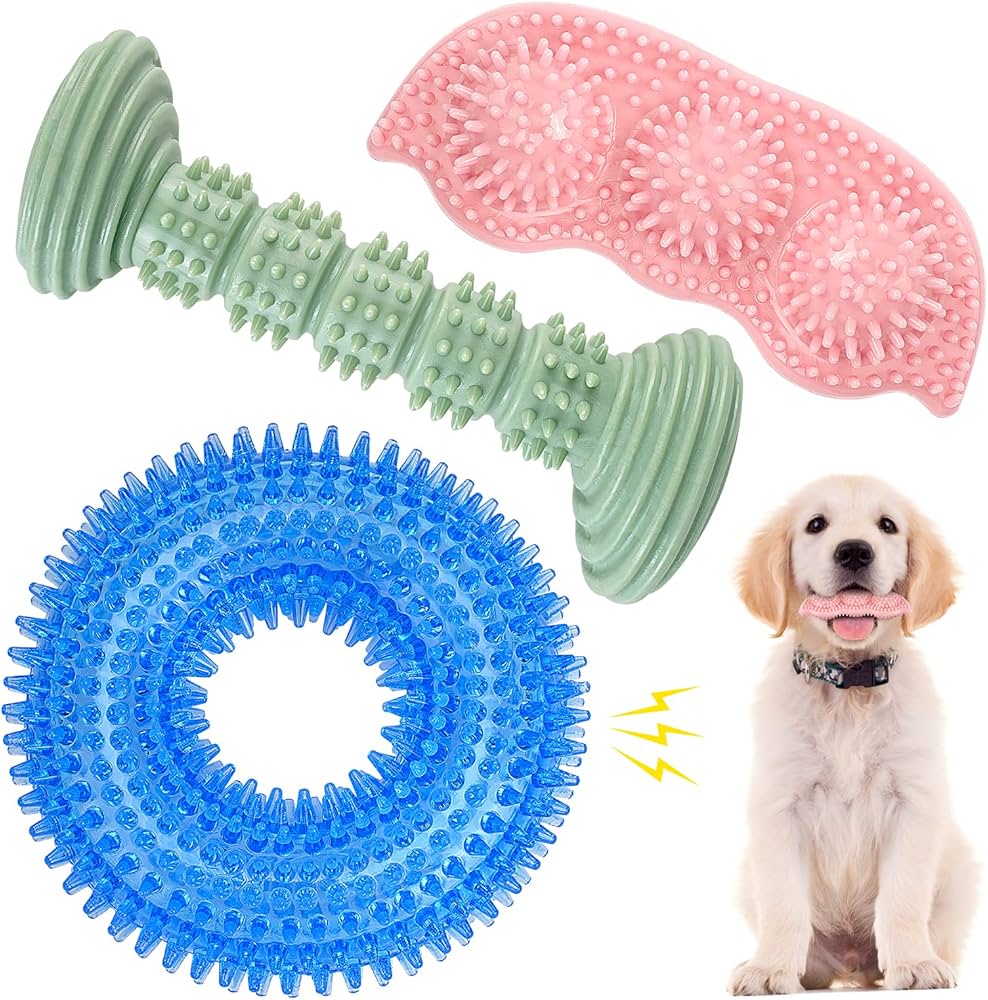
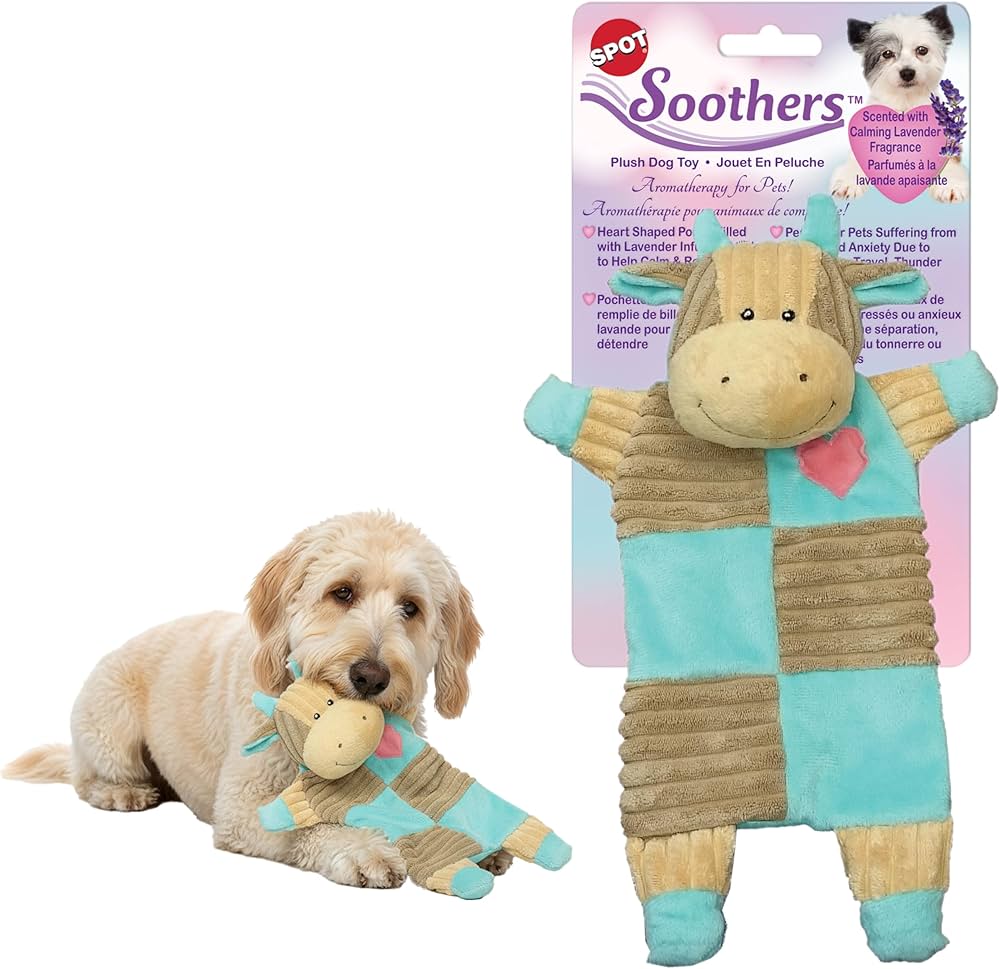
If you’re not sure where to start, these toy types are safe, effective, and recommended for most puppies.
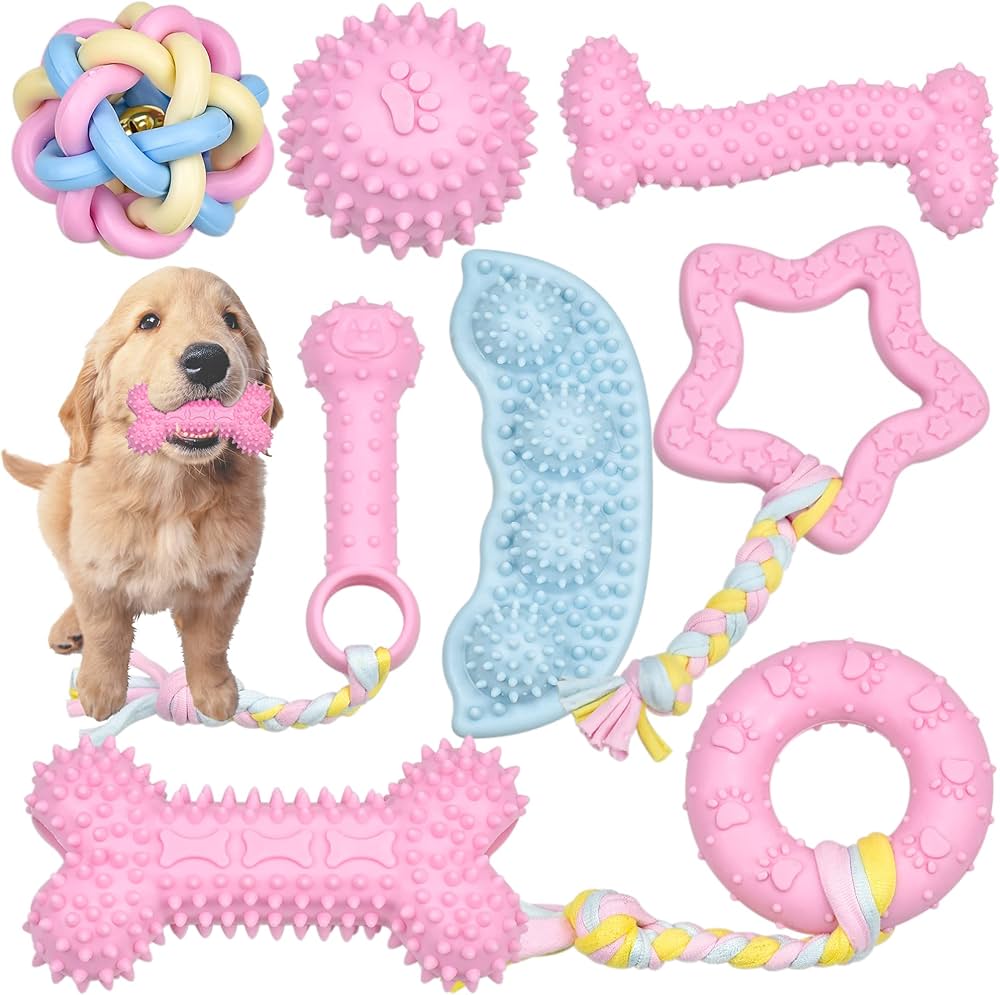
1. Soft Rubber Chew Toys
Soft rubber toys are ideal for teething puppies. They provide gentle resistance that soothes sore gums without risking tooth damage. These are one of the safest everyday options.
2. Teething Rings
Teething rings are specifically designed for young puppies going through early chewing stages. They help relieve discomfort and redirect chewing away from furniture or shoes.
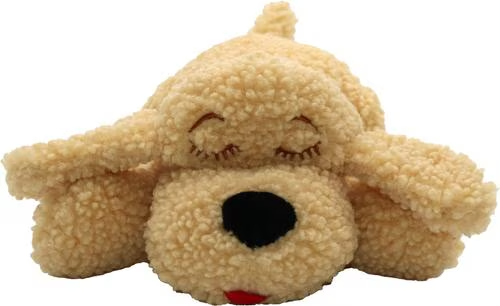
3. Small Plush Toys (Supervised Only)
Plush toys are great for comfort and bonding, especially during the first few nights at home. Always supervise play to prevent tearing and ingestion of stuffing.
4. Durable Rubber Toys (Large Breeds)
Larger breeds need stronger toys, even as puppies. Durable rubber toys prevent breakage and reduce choking risks.
5. Gentle Rope Toys
Rope toys are useful for light play and early training. Keep play gentle at this stage to avoid stress on developing teeth.
👉 Pro Tip: Rotate toys every few days to keep your puppy engaged and reduce boredom.
Toys for 8–12 Week Old Puppies
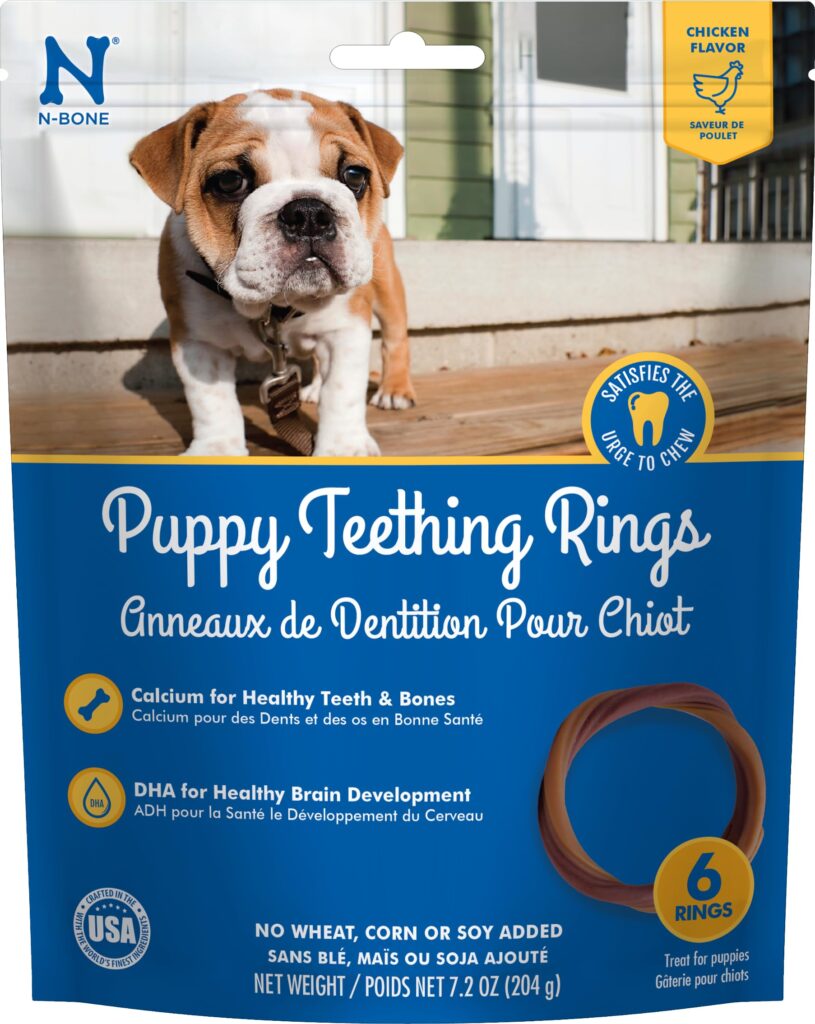
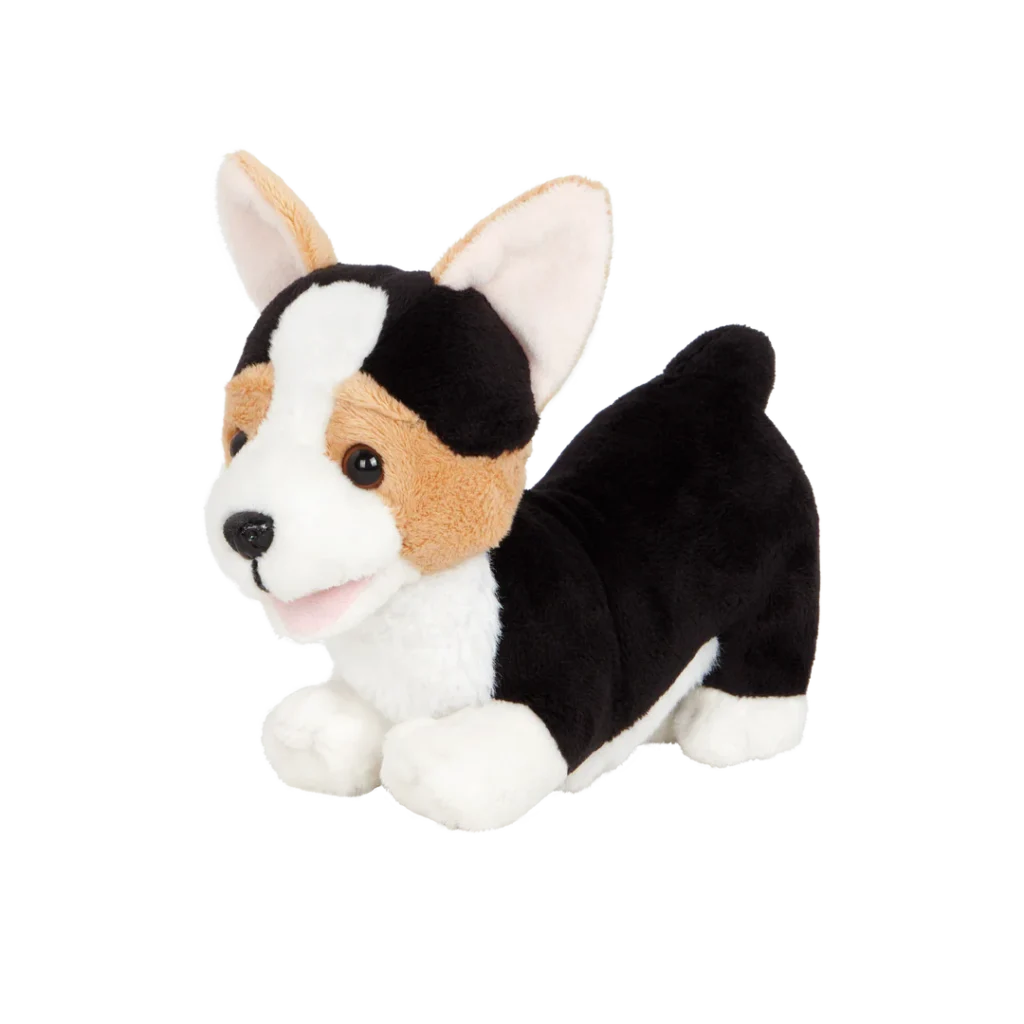
Between 8–12 weeks, puppies are teething, curious, and learning boundaries. This is one of the most important stages for introducing safe toys.
At this age, focus on toys that are soft, flexible, and easy to carry. Puppies are still developing jaw strength, so anything too firm can cause discomfort or damage.
The best options include soft rubber chew toys, gentle teething rings, and small plush toys used under supervision.
Avoid overly hard toys during this stage. A good rule is: if it feels too hard in your hand, it’s too hard for your puppy.
Small vs Large Breed Toy Differences
Not all toys are created equal. One of the biggest mistakes new owners make is choosing toys based only on age instead of breed size.
Small Breeds (Yorkies, Maltese)
Small breed puppies need toys that are lightweight, soft, and easy to carry. Toys that are too large can discourage play or cause frustration.
Large Breeds (Labs, Shepherds)
Larger breeds require stronger toys that can handle more pressure. Choose durable materials and larger sizes to prevent swallowing.
Quick Comparison Guide
| Feature | Small Breeds | Large Breeds |
|---|---|---|
| Toy Size | Very small | Large |
| Material | Soft, flexible | Durable rubber |
| Weight | Lightweight | Heavier |
| Chewing Strength | Gentle | Strong |
| Best Toys | Plush, soft rubber | Tough rubber, reinforced |
👉 Always match the toy size to your puppy’s mouth—not just their age.
What NOT to Give Puppies
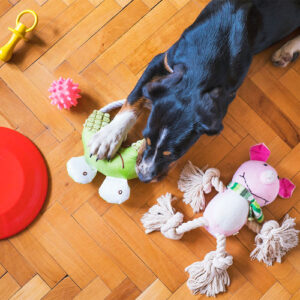
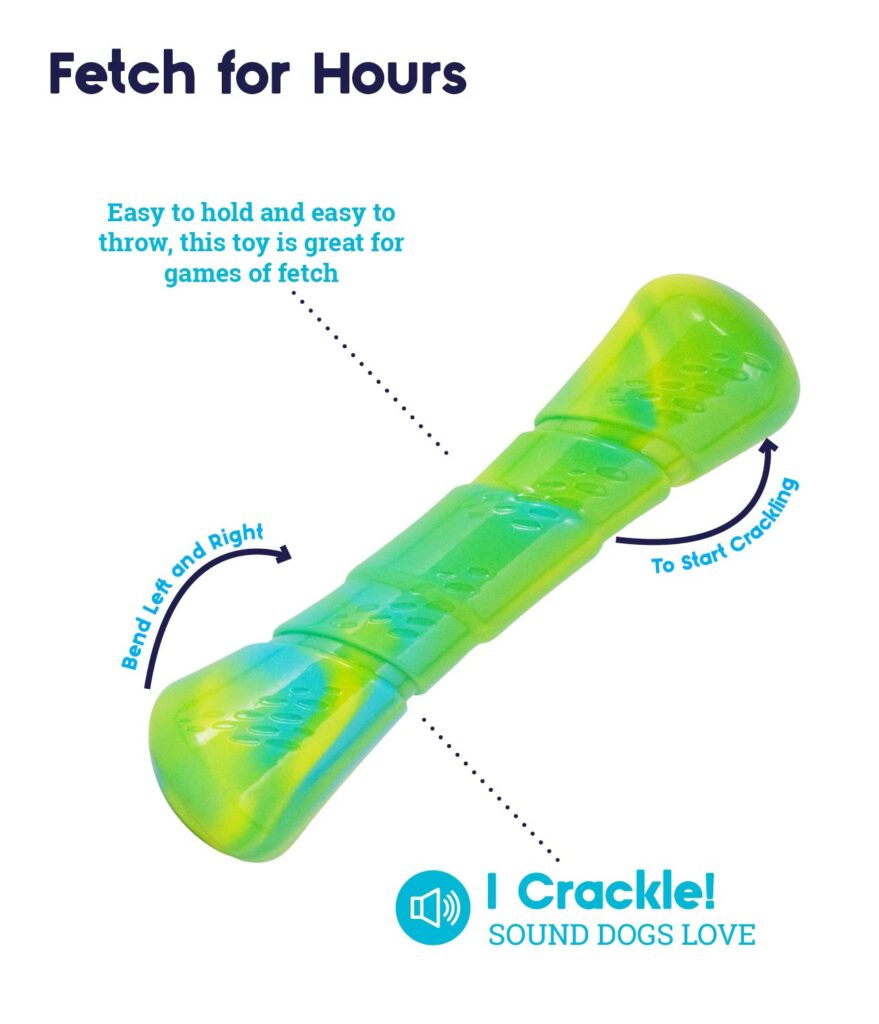
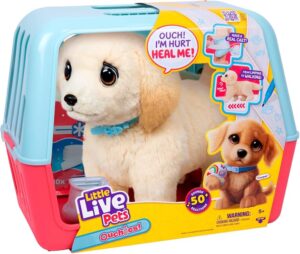
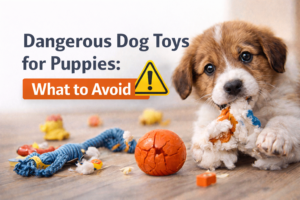
Some toys may look safe but become dangerous very quickly once your puppy starts chewing.
Avoid hard plastic toys that can crack or damage teeth. Stay away from toys with loose parts like strings, squeakers, or glued-on pieces. Anything that breaks apart easily should be removed immediately.
👉 See: Dangerous Dog Toys to Avoid
Safe Materials Checklist
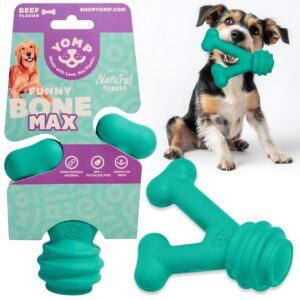
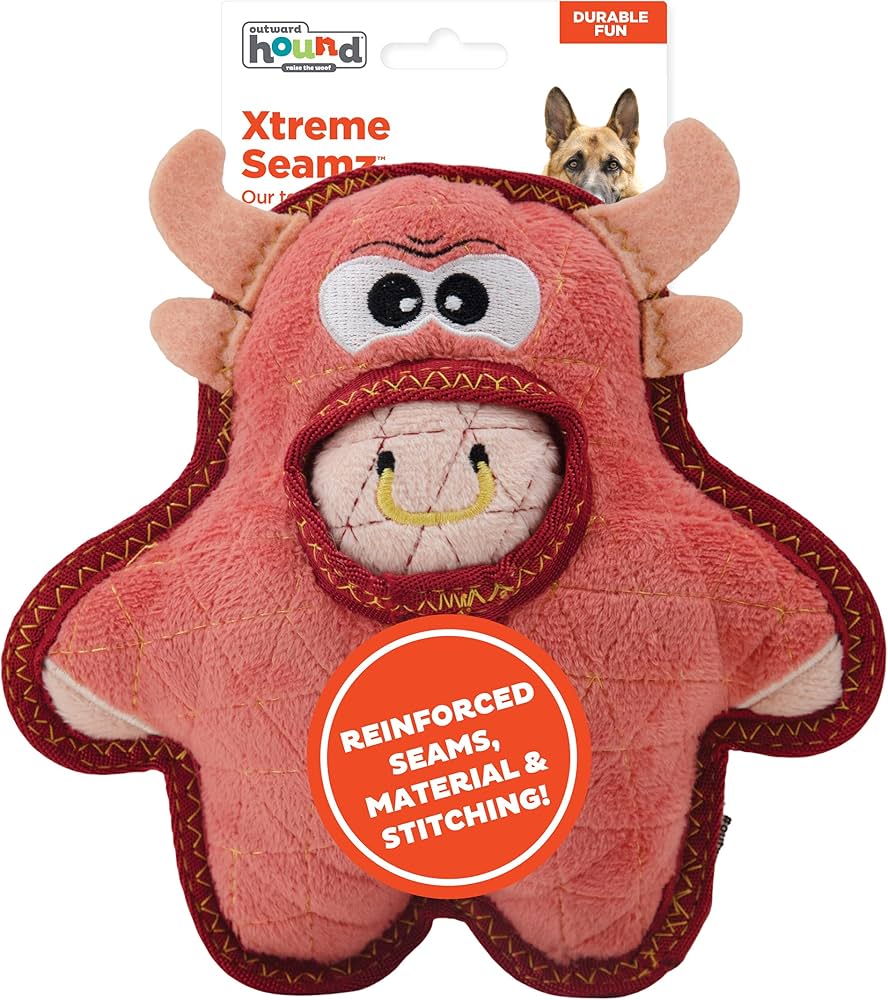
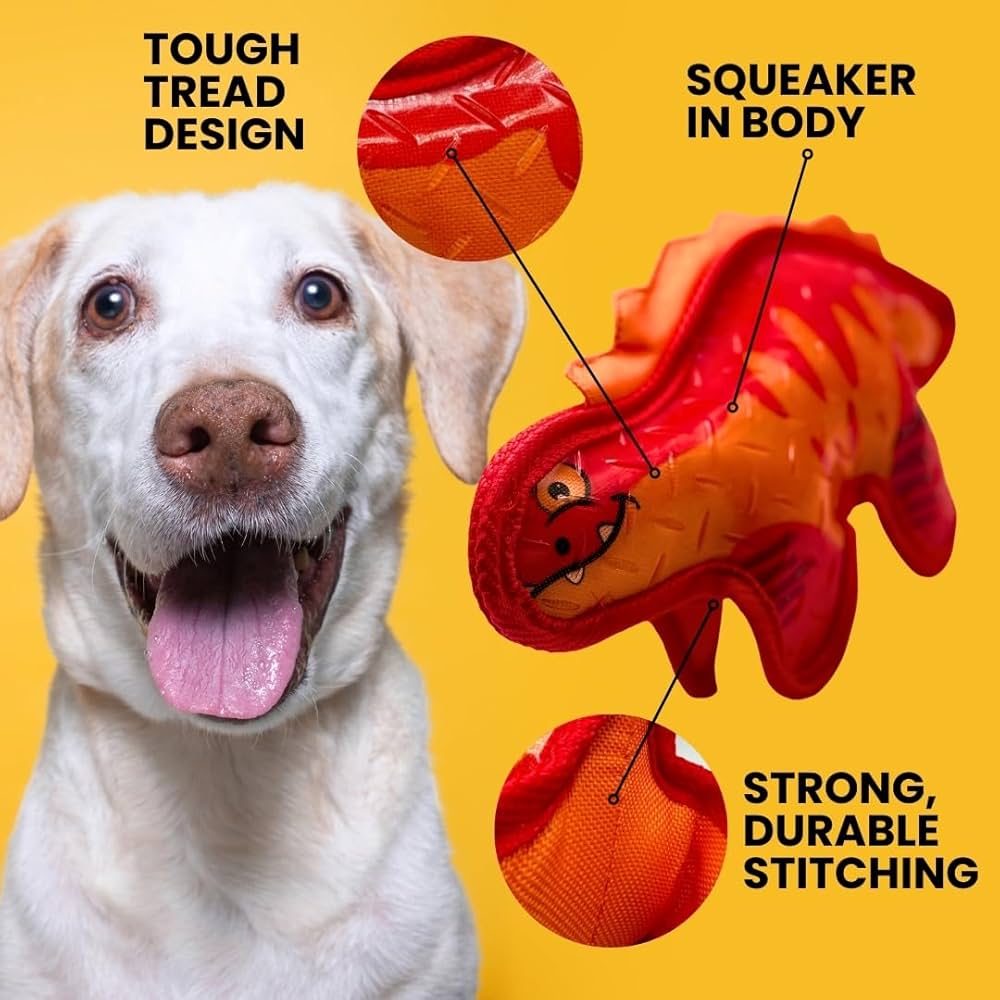
When choosing toys, materials matter just as much as size. Puppies spend a lot of time chewing, which means whatever the toy is made of will be in constant contact with their teeth and gums.
Look for toys made from non-toxic rubber, BPA-free materials, and durable stitching. High-quality puppy toys are designed to withstand chewing without breaking apart easily, reducing the risk of your puppy swallowing small pieces. Toys labeled specifically for puppies are often tested for safety, flexibility, and durability, making them a safer choice than generic or low-cost alternatives.
It’s also important to avoid toys with strong chemical smells or overly hard surfaces, as these can indicate lower-quality materials or pose a risk to developing teeth.
Make it a habit to regularly inspect your puppy’s toys. If you notice cracks, loose stitching, or pieces starting to break off, replace the toy right away. Even the safest dog toys for puppies can become dangerous once they begin to wear down.
Choosing the right materials not only keeps your puppy safe but also gives you peace of mind during playtime.
👉 See: How to Choose Dog Toys
Finding the Right Toys for Your Puppy
Choosing the best dog toys for puppies comes down to understanding your puppy’s age, breed size, and chewing habits.
Safe, well-made toys not only support teething and development but also help prevent unwanted behavior as your puppy grows. Taking the time to choose the right toys early on sets the foundation for a happier, healthier dog. If you’re still searching for a puppy, connecting with a knowledgeable breeder can make all the difference—they can guide you on the best toys, routines, and care for your specific breed.
The best dog toys for puppies should always match your puppy’s size, age, and chewing strength.