A well-fitted and appropriate dog collar for dogs is more than just a fashion accessory. It’s a vital tool for safety, training, and everyday handling of your furry companion. With so many options on the market, choosing the right collar can feel overwhelming. This guide will walk you through different types of dog collars, their benefits, and how to select the perfect one for your dog.
Why Every Dog Needs a Collar
A dog collar for dogs serves multiple purposes:
- Identification: Attach tags with your contact information to ensure your dog can be returned safely if lost.
- Control: Provides a way to manage your dog during walks or training sessions.
- Training: Certain collars are designed to help with obedience training.
- Fashion: Collars come in various colors and designs, adding personality to your pet.
Types of Dog Collars
1. Flat Collars
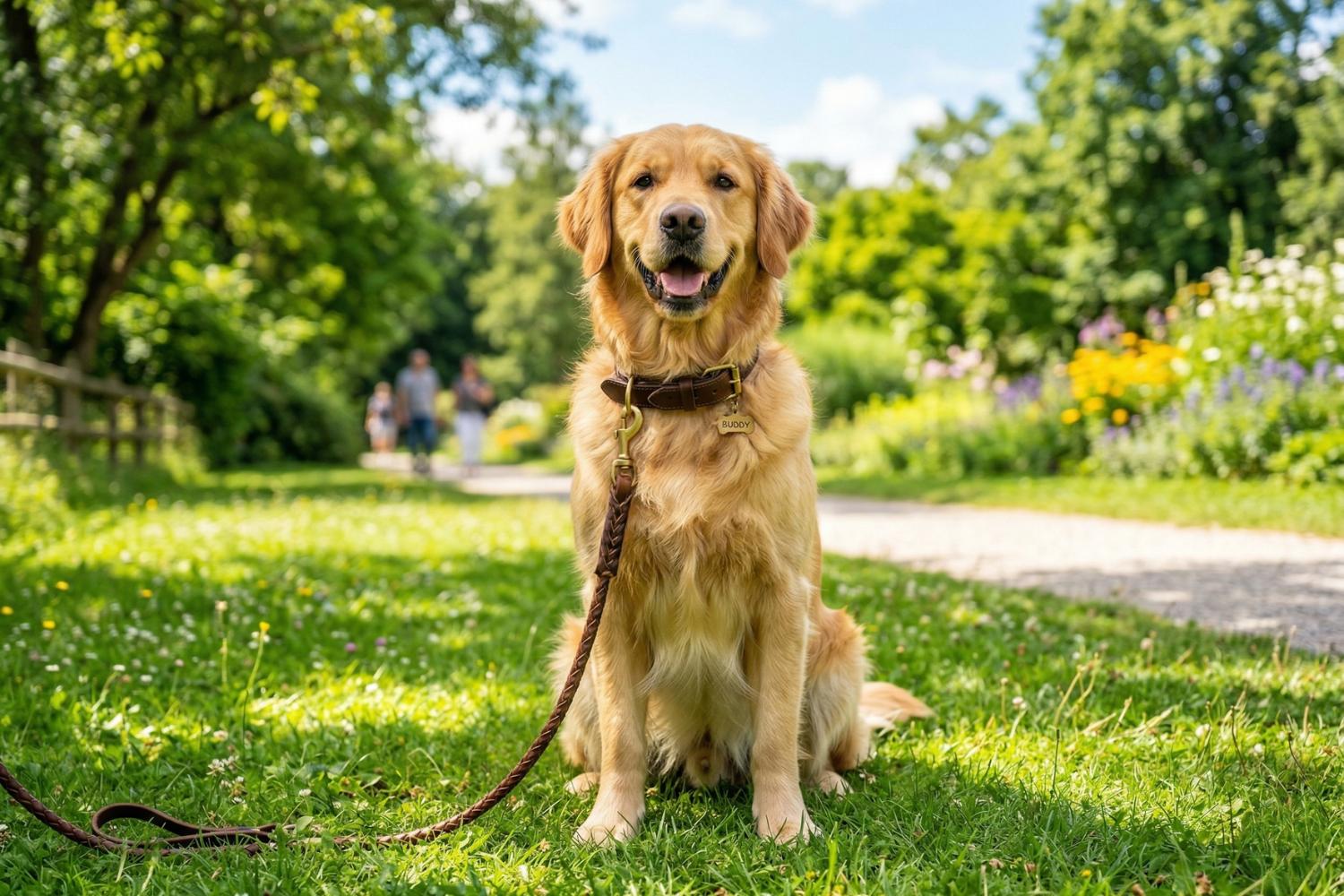
Flat collars are the most common type and are ideal for everyday wear. They are comfortable, adjustable, and often made of nylon or leather.
Benefits:
- Lightweight and comfortable
- Ideal for holding ID tags
- Affordable and widely available
2. Martingale Collars
A martingale collar has a limited-tightening design intended to help reduce slipping out when correctly fitted. It is not escape-proof, and incorrect adjustment can create excessive neck pressure.
Follow the manufacturer’s fitting instructions and check both the relaxed and tightened positions. Ask a qualified trainer to demonstrate the fit if you are unsure. Use it for supervised handling, and do not leave it on an unattended dog where it could catch on an object.
If your dog pulls, work on reward-based lead training rather than relying on the collar tightening to teach the behaviour.
3. Head Collars
A head collar fits around the muzzle and head. It may help manage a dog during walks, but it needs correct fitting and a gradual, reward-based introduction. It does not automatically resolve pulling, fear or aggression.
Follow the manufacturer’s instructions and ask a qualified trainer to demonstrate its use. Avoid jerking the lead or allowing your dog to run to the end of it, which can abruptly turn their head.
Watch for rubbing, distress or persistent attempts to remove it. If your dog cannot become comfortable wearing it, discuss another option rather than forcing continued use.
4. Harnesses
A harness fits around the body rather than functioning as a neck collar. It can provide an alternative lead attachment, but suitability depends on its design, fit and your dog’s needs.
Check the manufacturer’s size chart and fitting instructions. Look for rubbing behind the front legs, restricted movement, loose straps or gaps that could allow your dog to back out. Check the fit during movement as well as while your dog stands still.
A harness is not automatically escape-proof or a guarantee against injury. If your dog has breathing, neck or mobility concerns, ask your veterinarian about appropriate equipment. Continue reward-based lead training alongside its use.
5. Prong and Choke Collars
Prong and choke collars apply pressure or discomfort and should not be presented as necessary for advanced training. The American Veterinary Society of Animal Behavior recommends reward-based training and advises against using prong collars, choke chains and leash corrections.
If your dog pulls, lunges or is difficult to manage on walks, seek help from a qualified reward-based trainer. Discuss suitable equipment with them and your veterinarian where health concerns are involved. Equipment can help with management, but it does not replace teaching your dog how to walk comfortably on a lead.
Match the Equipment to Its Purpose
Decide whether you need a collar for identification, a lead attachment or both. Keep identification details current, but remember that a tag cannot guarantee a lost dog will be returned.
Choose equipment your dog can wear comfortably and that you can fasten and inspect reliably. Check its condition before walks rather than relying on claims such as “escape-proof” or “perfect fit.”
A collar helps with handling; it does not teach loose-lead walking or resolve behaviour problems on its own. Combine suitable equipment with reward-based training and seek individual advice when your dog’s health or behaviour makes selection difficult.
How to Measure Your Dog for a Collar
Follow the manufacturer’s measuring instructions for the collar style you are considering. Use a flexible tape at the specified neck position, record the measurement and compare it with the product’s size chart. Check whether the chart refers to neck circumference or the collar’s overall length.
After fitting, check the collar while your dog stands, sits and lowers their head. It should allow comfortable movement without slipping over the head. Being able to fit two fingers underneath is a common starting check, but it does not replace the manufacturer’s guidance or an assessment of escape risk.
Inspect the skin beneath the collar for rubbing, redness or trapped moisture. Check that the buckle closes securely, the adjustment stays in place and attached tags do not interfere with movement.
Recheck the fit frequently as a puppy grows and after changes in weight or coat thickness. For example, a collar that fitted before a grooming appointment may sit differently afterwards. If your dog coughs, struggles with neck pressure or repeatedly backs out of a collar, ask your veterinarian or a qualified trainer about a suitable alternative.
Choosing the Perfect Collar for Your Dog
Factors to Consider
- Breed & Size: Small breeds need lightweight collars; larger dogs need durable materials.
- Purpose: Training, walking, or identification.
- Durability: Look for high-quality materials to ensure long-lasting use.
- Comfort: Check for soft lining and no sharp edges.
Tips for First-Time Dog Owners
- Avoid overly tight collars
- Regularly inspect for wear and tear
- Swap collars for seasonal comfort (summer/winter)
Caring for Your Dog’s Collar
- Regular Cleaning: Nylon collars can be washed; leather requires conditioning.
- Check Hardware: Ensure buckles and clips are secure.
- Replace Worn Collars: Worn collars can break or cause discomfort.
Conclusion
Choose a collar or harness according to its purpose, the manufacturer’s fitting instructions and your dog’s comfort. Check the fit during movement, inspect the hardware and reassess sizing as your dog grows or their weight changes.
No equipment guarantees prevention of escape or injury. Use suitable equipment alongside reward-based training, and ask your veterinarian or a qualified trainer for advice when health or behaviour concerns affect your choice.
For more dog-care articles and information about Pupify, explore our resources for dog owners.