
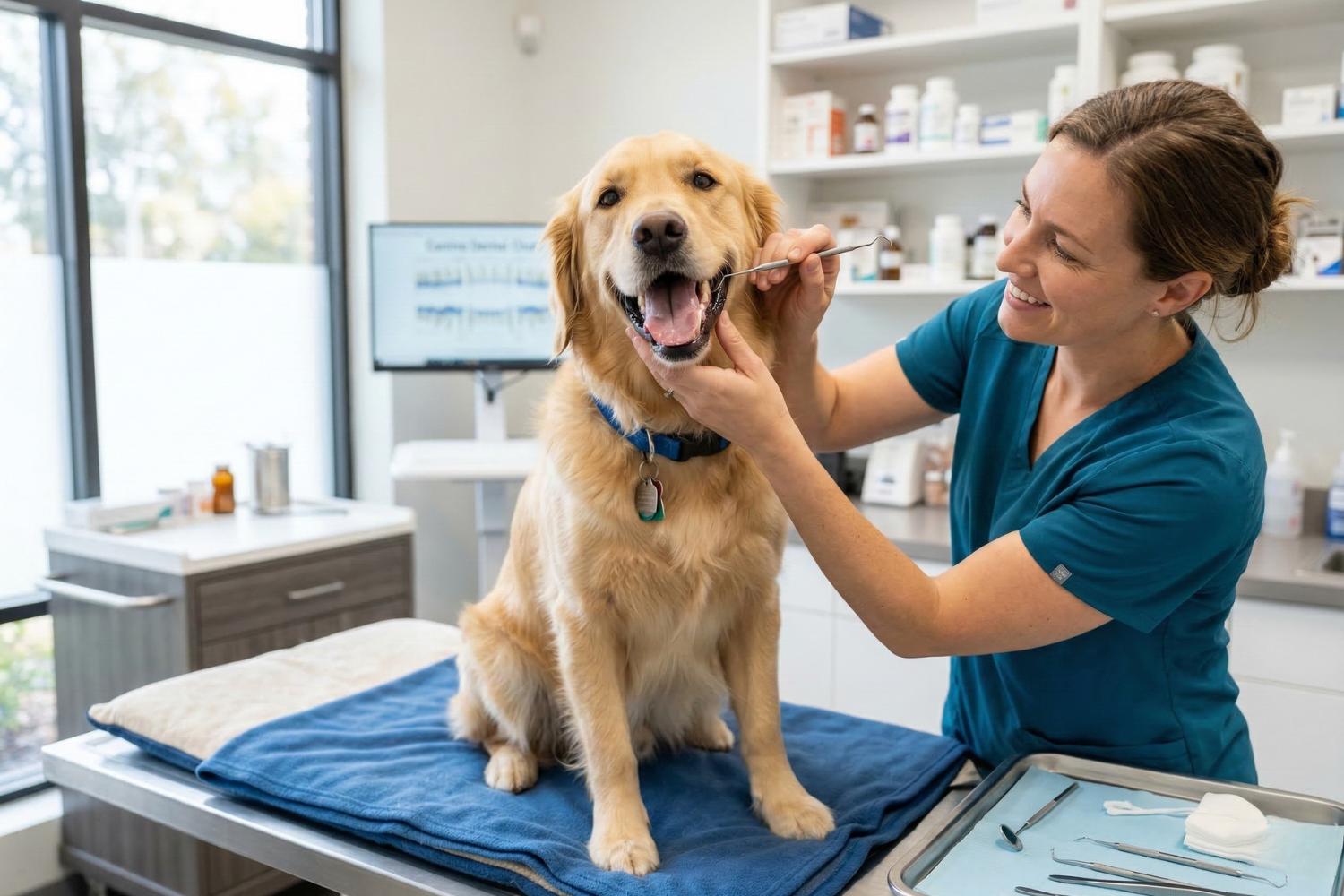
Dogs bring joy, companionship, and unconditional love into our lives. As responsible pet owners, we often focus on nutrition, exercise, and grooming—but one area that is frequently overlooked is dental health. Many dog owners wonder: can dogs get cavities just like humans do?
The short answer is yes, dogs can get cavities, although they are far less common than in humans. However, dental issues such as plaque buildup, tartar, gum disease, and tooth decay can still affect your dog’s oral health if proper care is not provided.
Understanding why cavities occur, how to recognize the symptoms, and how to prevent them can help protect your dog’s teeth and overall wellbeing. In this guide, we’ll explore everything you need to know about dog cavities and how to keep your pet’s smile healthy.
Can Dogs Get Cavities?
Yes, dogs can get cavities, but the condition is relatively rare compared to humans. The main reason for this difference lies in diet, oral bacteria, and tooth structure.
Human diets often contain high levels of sugar and carbohydrates, which feed cavity-causing bacteria. Dogs, on the other hand, typically eat protein-rich diets that produce fewer acids capable of damaging tooth enamel.
Additionally, a dog’s saliva has a higher pH level, making it less acidic and less likely to promote tooth decay.
Even though cavities are uncommon, dogs are still vulnerable to other dental problems, including:
- Plaque and tartar buildup
- Gingivitis (gum inflammation)
- Periodontal disease
- Tooth fractures
- Oral infections
If these issues are ignored, they can eventually lead to pain, tooth loss, and systemic health problems.
Why Dental Health Matters for Dogs
Dental health plays a significant role in a dog’s overall physical health. Bacteria from infected gums or teeth can enter the bloodstream and potentially affect vital organs such as the heart, liver, and kidneys.
Poor oral health can also lead to:
- Difficulty eating
- Weight loss
- Chronic pain
- Behavioral changes
- Increased risk of infections
Maintaining your dog’s dental hygiene not only prevents cavities but also improves quality of life and longevity.
Signs Your Dog May Have a Cavity
Because dogs cannot tell us when something hurts, it’s important to watch for signs that could indicate dental problems.
Here are some common symptoms that may suggest tooth decay or cavities:
1. Persistent Bad Breath
While mild dog breath is normal, strong or foul odors may indicate bacteria buildup or tooth decay.
2. Difficulty Eating
Dogs with dental pain may chew on only one side of the mouth or avoid hard foods altogether.
3. Visible Holes or Dark Spots on Teeth
A cavity may appear as a small dark hole or pit in the tooth enamel.
4. Drooling More Than Usual
Excessive drooling can sometimes be a sign of oral discomfort or infection.
5. Pawing at the Mouth
If your dog frequently paws at its mouth or rubs its face on the floor, it could be trying to relieve tooth pain.
6. Swollen or Bleeding Gums
Inflamed gums are often associated with plaque buildup and gum disease, which can eventually lead to tooth decay.
If you notice any of these symptoms, it’s important to seek veterinary advice as soon as possible.
What Causes Cavities in Dogs?
Although cavities are rare in dogs, several factors can increase the risk.
1. Poor Dental Hygiene
Just like humans, dogs require regular dental care. Without brushing or dental cleaning, plaque can harden into tartar and contribute to tooth decay.
2. Sugary or High-Carbohydrate Foods
Dogs that frequently eat sugary treats or human foods may have a higher risk of cavities.
3. Certain Dog Breeds
Some breeds may be more prone to dental problems due to the shape and alignment of their teeth. Smaller breeds, in particular, often develop dental issues more easily.
4. Lack of Chewing Activity
Chewing naturally helps clean teeth by scraping away plaque. Dogs that rarely chew on toys or dental treats may accumulate more plaque.
5. Poor Diet Quality
Low-quality dog food lacking essential nutrients can weaken teeth and gums over time.
Where Cavities Usually Occur in Dogs
Unlike humans, cavities in dogs often appear in different areas of the teeth.
Common locations include:
- The upper molars
- The grooves of chewing surfaces
- Areas where plaque accumulates
Because these spots can be difficult to inspect, regular dental checkups are important.
How Veterinarians Diagnose Cavities in Dogs
Diagnosing cavities usually requires a professional dental examination. A veterinarian may perform several steps:
- Visual inspection of teeth and gums
- Dental probing to check for soft spots or holes
- Dental X-rays to evaluate internal tooth damage
In some cases, dogs may need sedation for a full dental exam, allowing the veterinarian to properly assess and treat the teeth.
Treatment Options for Dog Cavities
If your veterinarian confirms that your dog has a cavity, treatment will depend on the severity of the decay.
Dental Filling
Small cavities may be treated with dental fillings, similar to human dentistry.
Tooth Extraction
If the tooth is severely damaged, the veterinarian may recommend removing it to prevent infection.
Professional Cleaning
Cleaning removes plaque and tartar buildup and helps prevent further decay.
Antibiotics
If infection is present, antibiotics may be prescribed.
Prompt treatment helps reduce pain and prevents the spread of oral infections.
How to Prevent Cavities in Dogs
The best way to protect your dog’s teeth is through preventive dental care.
Here are some essential tips:
1. Brush Your Dog’s Teeth Regularly
Brushing your dog’s teeth 2–3 times per week can significantly reduce plaque buildup.
Use a dog-safe toothpaste because human toothpaste can be toxic to pets.
2. Provide Dental Chews
Dental treats and chew toys help scrape plaque from the teeth.
3. Schedule Routine Dental Checkups
Veterinarians recommend professional dental exams at least once a year.
4. Feed a Healthy Diet
High-quality dog food supports strong teeth and healthy gums.
5. Offer Safe Chewing Toys
Rubber chew toys and dental bones can help keep teeth clean naturally.
The Role of Professional Grooming and Dental Awareness
While grooming focuses on coat and hygiene, many professional groomers also keep an eye on a dog’s overall health, including the mouth and teeth.
Pet owners looking for grooming services, training support, or dog-related products often explore platforms like Pupify, which connects independent buyers and sellers within the dog community.
Through the Pupify platform, individuals can discover independent providers offering services such as dog grooming, training, and pet products in their area. Pupify acts as a connection-based marketplace, helping dog owners and service providers connect directly.
How Diet Affects Your Dog’s Dental Health
Diet plays a critical role in preventing dental issues.
Foods that can help support dental health include:
- High-quality dry kibble designed for dental health
- Natural dental chews
- Nutrient-rich balanced dog diets
Avoid feeding dogs foods that may contribute to dental issues, such as:
- Sugary human snacks
- Sticky treats
- Excessively soft foods without chewing resistance
A balanced diet combined with dental care can significantly reduce the risk of cavities.
Breeds That May Be More Prone to Dental Problems
Although any dog can develop dental issues, certain breeds may be more susceptible.
These often include:
- Small toy breeds
- Dogs with crowded teeth
- Dogs with shorter snouts
These breeds may require more frequent dental monitoring to maintain healthy teeth and gums.
When to See a Veterinarian
You should schedule a veterinary visit if you notice:
- Persistent bad breath
- Broken or discolored teeth
- Difficulty eating
- Bleeding gums
- Facial swelling
- Excessive drooling
Early detection can prevent minor dental issues from becoming serious health problems.
Final Thoughts
So, can dogs get cavities? Yes—but it’s not very common. However, dogs can still experience a range of dental problems that may cause pain and affect their health.
By focusing on preventive dental care, including regular brushing, dental chews, a healthy diet, and routine veterinary checkups, you can protect your dog’s teeth and keep their smile strong for years to come.
Taking a proactive approach to dental hygiene will help ensure your dog remains happy, comfortable, and healthy throughout its life.