
Dogs bring joy, companionship, and unconditional love into our lives. However, like humans, dogs can also experience health issues caused by parasites. Many pet owners often wonder: can dogs get head lice?
It’s a common concern, especially when a child or family member has lice. Pet parents may worry that their dog could become infected or pass lice back to humans. The good news is that the situation is usually less alarming than it sounds.
In this guide, we’ll explore whether dogs can get head lice, the parasites that actually affect dogs, how to recognize symptoms, and how to keep your pet healthy and comfortable.
If you’re looking for trusted dog care information, grooming services, or pet products, platforms like Pupify help connect independent pet owners with independent sellers offering dog-related services and products.
Can Dogs Get Head Lice?
The short answer is no, dogs cannot get human head lice.
Human head lice are a species of parasite that live exclusively on humans. These lice are adapted to cling to human hair and feed on human blood from the scalp. They cannot survive on dogs or other animals.
Similarly, dogs have their own species of lice that live specifically on dogs and cannot live on humans.
So if you’re asking, “can dogs get head lice from people?” the answer is no. Human lice and dog lice are species-specific parasites.
However, dogs can still experience lice infestations — just not the same type humans get.
Types of Lice That Affect Dogs
Although dogs cannot get human head lice, they can develop infestations from dog-specific lice species. There are two main types of lice that affect dogs.
1. Chewing Lice (Trichodectes canis)
This is the most common type of lice found on dogs.
These lice:
- Feed on skin debris and secretions
- Live close to the dog’s skin
- Often appear in dogs with poor grooming or compromised health
They can cause itching and skin irritation if untreated.
2. Sucking Lice (Linognathus setosus)
Sucking lice feed on blood and are less common but potentially more harmful.
These parasites:
- Attach to the skin
- Feed directly on blood
- Can cause anemia in severe infestations
This type is more likely to affect puppies, older dogs, or dogs with weakened immune systems.
How Dogs Get Lice
Even though dogs cannot get head lice from humans, they can still pick up dog lice through contact with other infected animals.
Common sources include:
- Direct contact with infected dogs
- Shared bedding or grooming tools
- Animal shelters or boarding facilities
- Dog parks or daycare centers
- Grooming environments
If your dog interacts frequently with other dogs, there is a slightly higher risk of exposure.
Platforms like Pupify help connect pet owners with independent dog service providers, including grooming and training services, making it easier to find care options that suit your needs.
Signs Your Dog Might Have Lice
Dog lice infestations can sometimes go unnoticed at first, especially if the infestation is mild.
Here are common symptoms to watch for:
Persistent Scratching
Dogs with lice often scratch frequently due to irritation.
Dry or Rough Coat
The dog’s coat may appear dull, dry, or unkempt.
Hair Loss
Hair loss may occur in patches, especially around the ears, neck, shoulders, and groin.
Small White Eggs (Nits)
Lice eggs attach firmly to the base of the hair shaft and look similar to dandruff but do not easily fall off.
Restlessness
Dogs may seem uncomfortable, restless, or irritable.
If you notice these symptoms, it’s best to consult a veterinarian for proper diagnosis.
How Veterinarians Diagnose Dog Lice
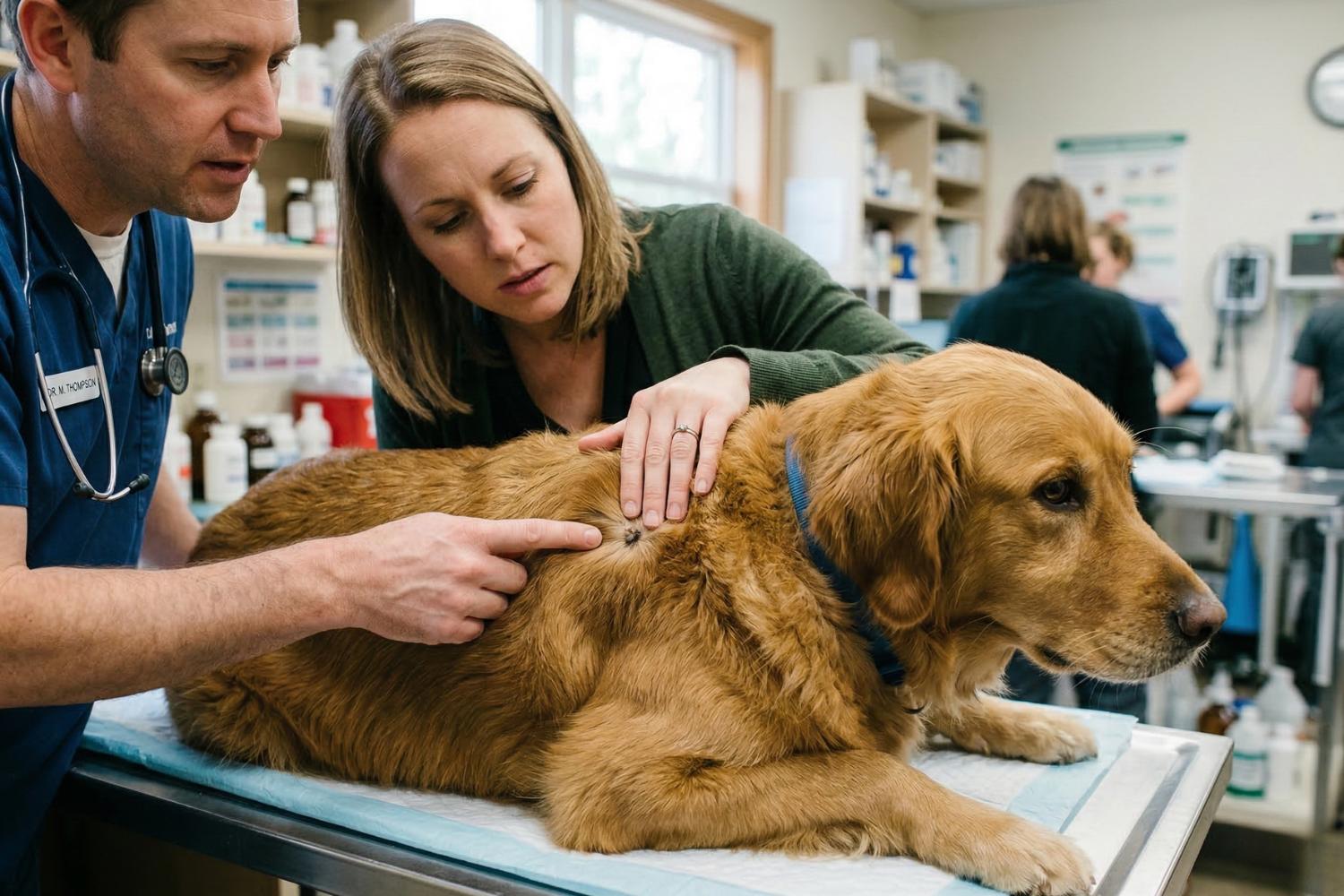
A veterinarian can typically diagnose lice with a simple physical examination.
Diagnosis methods include:
- Examining the dog’s coat with a fine comb
- Checking for lice eggs attached to hair shafts
- Looking at skin scrapings under a microscope
Unlike fleas, lice move slowly and tend to remain attached to the dog’s hair, which makes them easier to identify.
Treatment Options for Dog Lice
Treating dog lice is generally straightforward when addressed early.
Common treatments include:
Medicated Shampoos
Special veterinary shampoos kill lice and help soothe irritated skin.
Topical Parasite Treatments
Many flea and tick treatments also eliminate lice.
Oral Medications
Veterinarians may prescribe medications to treat severe infestations.
Cleaning the Environment
To prevent reinfestation:
- Wash dog bedding in hot water
- Clean grooming tools
- Vacuum carpets and furniture
With proper treatment, most dogs recover quickly.
Can Dog Lice Spread to Humans?
Another frequent concern is whether dog lice can spread to people.
The answer is no.
Dog lice are species-specific parasites that only survive on dogs. Even if a louse accidentally transfers to a person, it cannot survive or reproduce on human skin.
This means dog lice cannot cause human head lice infestations.
So while the question “can dogs get head lice” often arises when families experience lice outbreaks, there is no risk of cross-infection between humans and dogs.
Preventing Lice in Dogs
Preventative care is the best way to protect your dog from lice and other parasites.
Here are some helpful tips.
Regular Grooming
Brushing your dog frequently helps you detect parasites early.
Routine Vet Visits
Regular veterinary checkups ensure parasites are caught early.
Avoid Shared Grooming Tools
Always use clean grooming brushes and combs.
Maintain Clean Bedding
Wash dog bedding regularly to eliminate parasites and eggs.
Monitor Social Environments
If your dog visits dog parks or boarding facilities, check for signs of parasites afterward.
Pet owners often search for grooming services or dog care providers through online platforms. Pupify connects independent dog owners with independent sellers offering pet services and products across Canada.
Other Common Parasites That Affect Dogs
While dog lice are relatively uncommon, dogs are more frequently affected by other parasites.
Fleas
Fleas are the most common external parasites in dogs. They cause itching, allergic reactions, and skin infections.
Ticks
Ticks attach to the skin and feed on blood. They can transmit diseases like Lyme disease.
Mites
Mites can cause mange, a skin condition that leads to hair loss and irritation.
Intestinal Worms
Roundworms, hookworms, and tapeworms affect the digestive system.
Regular parasite prevention treatments recommended by veterinarians help protect dogs from these health issues.
When to See a Veterinarian
If you notice persistent itching, hair loss, or skin irritation in your dog, it’s best to seek veterinary advice.
You should contact a veterinarian if:
- Scratching continues for several days
- Hair loss becomes noticeable
- Skin appears inflamed or infected
- Your dog seems lethargic or uncomfortable
Early diagnosis ensures faster treatment and prevents complications.
Supporting Your Dog’s Overall Health
Healthy dogs are less likely to experience severe parasite infestations.
You can support your dog’s health through:
- Balanced nutrition
- Regular exercise
- Routine grooming
- Preventative parasite treatments
- Regular veterinary checkups
Providing proper care helps your dog maintain a strong immune system and healthy skin.
Finding Dog Care Services and Products
Many pet owners search online for dog grooming services, pet supplies, training options, or puppies for sale.
Pupify is a connection-based marketplace that helps bring together independent buyers and independent sellers offering dog-related products and services.
The platform allows users to explore listings from different providers and connect directly with them. Pupify itself does not act as a seller, broker, verifier, or transaction manager, but rather provides a space where dog lovers can find and connect with one another.
Final Thoughts
So, can dogs get head lice? The answer is no. Dogs cannot catch human head lice, and humans cannot catch dog lice.
However, dogs can still develop lice infestations caused by species that specifically target dogs. While these parasites are usually not dangerous, they can cause discomfort if left untreated.
By understanding the signs, practicing good grooming habits, and seeking veterinary care when needed, you can keep your dog happy, healthy, and parasite-free.