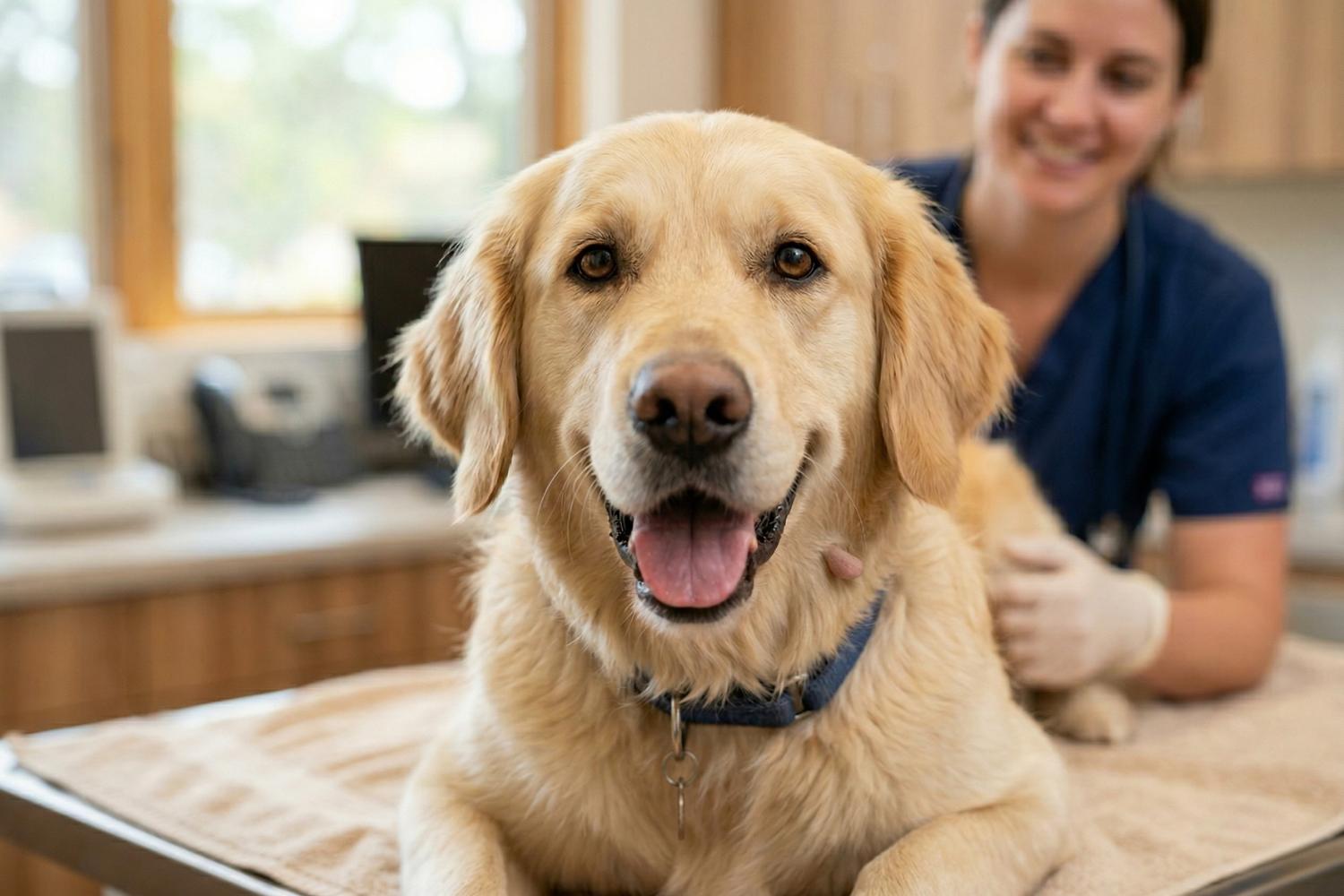
Noticing a strange growth on your dog’s skin can be worrying. Many pet owners immediately fear the worst—but in many cases, these growths turn out to be harmless dog skin tags.
A dog skin tag is a small, soft, benign growth that commonly appears on older dogs or breeds prone to skin issues. While they are usually not dangerous, understanding their causes, treatment options, and warning signs is essential for every responsible pet owner.
In this guide, we’ll walk you through everything you need to know about dog skin tags, including when to relax—and when to take action.
What Is a Dog Skin Tag?
A dog skin tag is a non-cancerous growth made up of collagen fibers, blood vessels, and skin. These growths:
- Are usually soft and flexible
- May hang off the skin
- Can vary in size (tiny to pea-sized or larger)
- Often appear in areas where skin rubs together
They are medically known as fibroepithelial polyps.
Common Causes of Dog Skin Tags
While the exact cause of a dog skin tag isn’t always clear, several factors contribute to their development.
1. Friction and Irritation
Skin tags often develop in areas where there is constant rubbing, such as:
- Under the collar
- Between legs
- Around the neck or armpits
2. Aging
Older dogs are more likely to develop skin tags due to changes in skin elasticity and cell regeneration.
3. Genetics
Some breeds are more prone to skin growths, including:
- Cocker Spaniels
- Boxers
- Labrador Retrievers
4. Hormonal Imbalances
Changes in hormones can trigger abnormal skin growths.
5. Obesity
Overweight dogs may develop more folds and friction, increasing the risk of a dog skin tag.
Where Do Dog Skin Tags Usually Appear?
A dog skin tag can appear almost anywhere, but common areas include:
- Neck (especially under collars)
- Chest and belly
- Legs and armpits
- Eyelids
- Groin area
How to Identify a Dog Skin Tag
It’s important to distinguish a harmless dog skin tag from more serious conditions like tumors or infections.
Typical Characteristics:
- Soft and movable
- Same color as skin or slightly darker
- Painless (unless irritated)
- Slow-growing
Warning Signs (Not a Typical Skin Tag):
- Rapid growth
- Bleeding or ulceration
- Hard or irregular shape
- Color changes (black, red, or uneven)
If you notice these symptoms, consult a veterinarian immediately.
Are Dog Skin Tags Dangerous?
In most cases, a dog skin tag is completely harmless. However, they can become problematic if:
- They get caught on objects
- They bleed or become infected
- They grow in sensitive areas (like eyelids or mouth)
When Should You Worry?
Even though most dog skin tags are benign, there are situations where you should take action.
Consult a Vet If:
- The growth changes in size or shape
- It starts bleeding
- Your dog keeps scratching or biting it
- It appears suddenly and grows quickly
- It looks different from other skin tags
Early diagnosis helps rule out serious conditions like tumors.
Treatment Options for Dog Skin Tags
Treatment depends on the size, location, and condition of the dog skin tag.
1. Leave It Alone
If the skin tag is small and not bothering your dog, no treatment is necessary.
2. Veterinary Removal
A vet may remove a dog skin tag if it causes discomfort.
Common methods include:
- Surgical removal
- Cryotherapy (freezing)
- Laser removal
3. Medications
If the area becomes infected, your vet may prescribe:
- Antibiotics
- Anti-inflammatory creams
Can You Remove a Dog Skin Tag at Home?
Many pet owners are tempted to remove a dog skin tag themselves—but this is not recommended.
Risks of DIY Removal:
- Infection
- Pain and bleeding
- Misdiagnosis (it may not be a skin tag)
Always consult a veterinarian before attempting any treatment.
How to Prevent Dog Skin Tags
While you can’t completely prevent a dog skin tag, you can reduce the risk.
Prevention Tips:
- Maintain a healthy weight
- Use properly fitted collars
- Keep skin folds clean and dry
- Groom your dog regularly
- Monitor for early signs of skin changes
Dog Skin Tags vs Other Skin Conditions
It’s easy to confuse a dog skin tag with other issues.
1. Warts
- Caused by viruses
- Rough surface
- Often appear in clusters
2. Tumors
- May be malignant
- Grow rapidly
- Can feel firm or irregular
3. Cysts
- Fluid-filled sacs
- May burst or leak
If unsure, always seek veterinary advice.
Grooming and Skin Tag Care
Regular grooming helps detect and manage a dog skin tag early.
Grooming Tips:
- Check your dog’s skin weekly
- Brush gently around the area
- Avoid pulling or irritating the tag
- Keep nails trimmed to prevent scratching
How Pupify Helps Dog Owners
At Pupify, we understand how important your dog’s health is. Pupify is a connection-based marketplace platform that connects independent buyers and sellers of dog-related products directly.
Through Pupify, you can:
- Discover grooming tools and accessories
- Connect with sellers offering pet care products
- Explore solutions that support your dog’s overall well-being
Pupify does not sell, verify, or manage transactions—its purpose is to make connections easier within the pet care community.
Frequently Asked Questions
Are dog skin tags painful?
Most dog skin tags are painless unless irritated or infected.
Do dog skin tags go away on their own?
No, they usually remain unless removed.
Can puppies get skin tags?
It’s rare—skin tags are more common in older dogs.
How much does removal cost?
Costs vary depending on the method and vet, but generally range from affordable to moderate.
Conclusion
A dog skin tag is usually nothing to panic about—but it should never be ignored. By understanding the causes, symptoms, and treatment options, you can ensure your dog stays healthy and comfortable.
Always monitor any skin changes and consult your veterinarian if something seems unusual. With proper care and attention, managing skin tags becomes simple and stress-free.