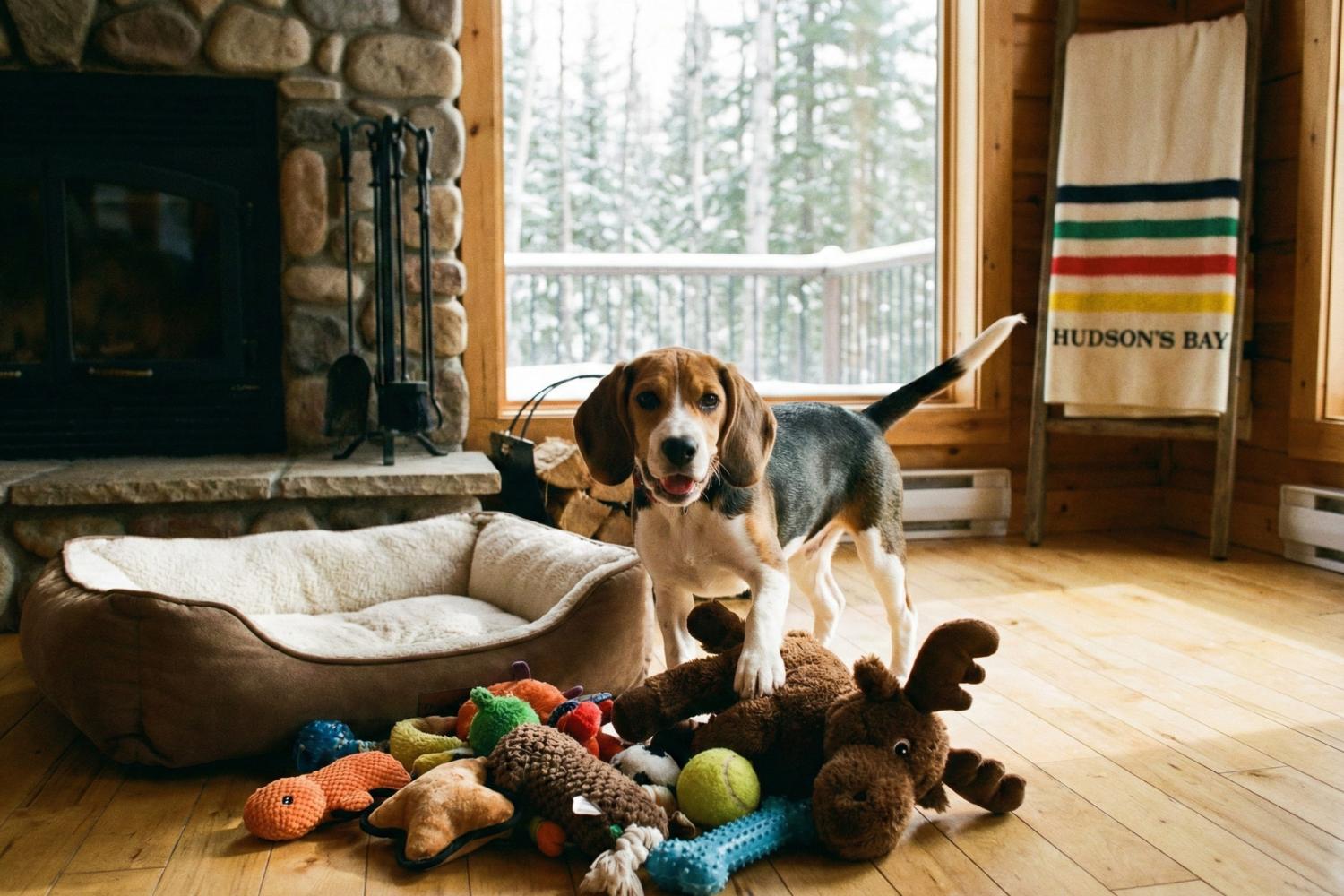
Beagle puppies are among the most beloved breeds in Canada, known for their curious nature, friendly demeanor, and boundless energy. Whether you’re considering adopting your first beagle or looking to expand your furry family, understanding their needs is essential to raising a happy and healthy pup.
Preparing Your Home for a Beagle Pup
Before bringing a beagle puppy home, consider the following essentials:
- Space and Environment: Beagles are active dogs that thrive with room to play. Puppy-proof your home by removing hazards like exposed cords or small objects.
- Supplies: Ensure you have a comfortable bed, food and water bowls, chew toys, and a secure area for your puppy to rest.
- Safety Precautions: Use baby gates or playpens to limit access to unsafe areas. Always supervise your puppy during playtime.
Nutrition for Beagle Puppies
Proper nutrition lays the foundation for a healthy beagle. Key points include:
- Puppy-Specific Food: Choose high-quality puppy food with balanced protein, fats, and essential nutrients.
- Feeding Schedule: Most beagle puppies benefit from 3–4 small meals per day until they reach six months, then gradually transition to twice-daily feeding.
- Hydration: Fresh water should always be available.
Consult a veterinarian for guidance on diet and portion sizes. Remember, all health-related decisions are the responsibility of the pet owner.
Socialization and Training
Beagle puppies are social animals who need regular interaction to thrive. Effective strategies include:
- Early Socialization: Introduce your puppy to various people, pets, and environments. This can help prevent fear and aggression later in life.
- Positive Reinforcement: Use treats and praise to encourage desired behaviors. Avoid punishment, which can harm trust and learning.
- Consistency: Establish routines for feeding, potty breaks, and playtime to help your puppy feel secure.
Exercise and Mental Stimulation
Active breeds like beagles require both physical and mental engagement:
- Daily Exercise: Regular walks, play sessions, and safe outdoor exploration help expend energy.
- Puzzle Toys: Stimulate your puppy’s intelligence with toys that challenge problem-solving skills.
- Training Games: Short, engaging training sessions reinforce commands while keeping your pup mentally sharp.
Health and Veterinary Care
Routine veterinary care is critical for your beagle puppy’s well-being:
- Vaccinations: Follow recommended schedules for core and non-core vaccines.
- Parasite Prevention: Use vet-approved methods to prevent fleas, ticks, and worms.
- Regular Check-Ups: Monitor growth, weight, and overall health with periodic veterinary visits.
All medical decisions should be made with a licensed professional. Pupify does not provide health advice or guarantees.
Building a Strong Bond
The key to raising a happy beagle is consistent love, attention, and patience:
- Spend Quality Time: Engage in play, cuddles, and gentle training exercises.
- Respect Personality: Each puppy has unique quirks; understanding their temperament strengthens your relationship.
- Monitor Behavior: Observe changes in appetite, mood, or energy and consult a vet if needed.
Connecting With Other Beagle Owners
Pupify users can benefit from community feedback when exploring beagle puppies. User reviews, ratings, and shared experiences provide insights that can help inform your decisions. While these perspectives can guide your choices, always remember that every adoption, interaction, and purchase is your responsibility.
A practical daily routine for your Beagle puppy
A useful puppy routine follows a repeating pattern: toilet break, food or a short activity, another chance to toilet, then rest. Start the morning by taking your puppy to the same toilet area and reward them immediately after they finish. Repeat after waking from naps, eating and playing. Keep a simple record of accidents so you can spot when your puppy needs an earlier break. Adjust the routine to the individual puppy rather than expecting them to manage a fixed number of hours.
Fit training into ordinary moments. Before putting down a meal, practise a simple behaviour your puppy already understands, such as sitting. During play, reward them for coming towards you or exchanging a toy. Begin with sessions of one or two minutes and finish while your puppy is still interested. Use some of their daily food allowance as rewards, rather than adding treats without accounting for them.
Give your Beagle opportunities to use their nose. Try an easy indoor search: place a few pieces of their usual food in visible spots on a clear floor and encourage them to find them. Once they understand the game, make the hiding places slightly harder. Keep food away from furniture you do not want them climbing onto, and supervise so they do not swallow unsuitable objects. In a home with several dogs, run food games separately if there is competition over food.
Check your outdoor space before every outing. Look for gaps beneath fences, loose gate latches and objects that could provide a route over a boundary. A fenced garden still needs supervision. Outside a secure enclosure, use a lead; practising recall does not guarantee your puppy will return when an interesting scent catches their attention. Begin recall practice indoors, reward generously and increase distractions gradually.
Build quiet time into the day too. Offer a comfortable resting area away from constant household activity. Introduce short periods apart while you are nearby, starting with a duration your puppy can manage calmly. If they become distressed, make the next attempt easier rather than leaving them to struggle. A reward-based trainer can help you adjust the plan when settling or separation is difficult.
Final Thoughts
Raising a beagle puppy is a rewarding experience that requires time, attention, and commitment. By focusing on proper nutrition, socialization, training, and health care, you can help your puppy grow into a joyful and well-adjusted dog.