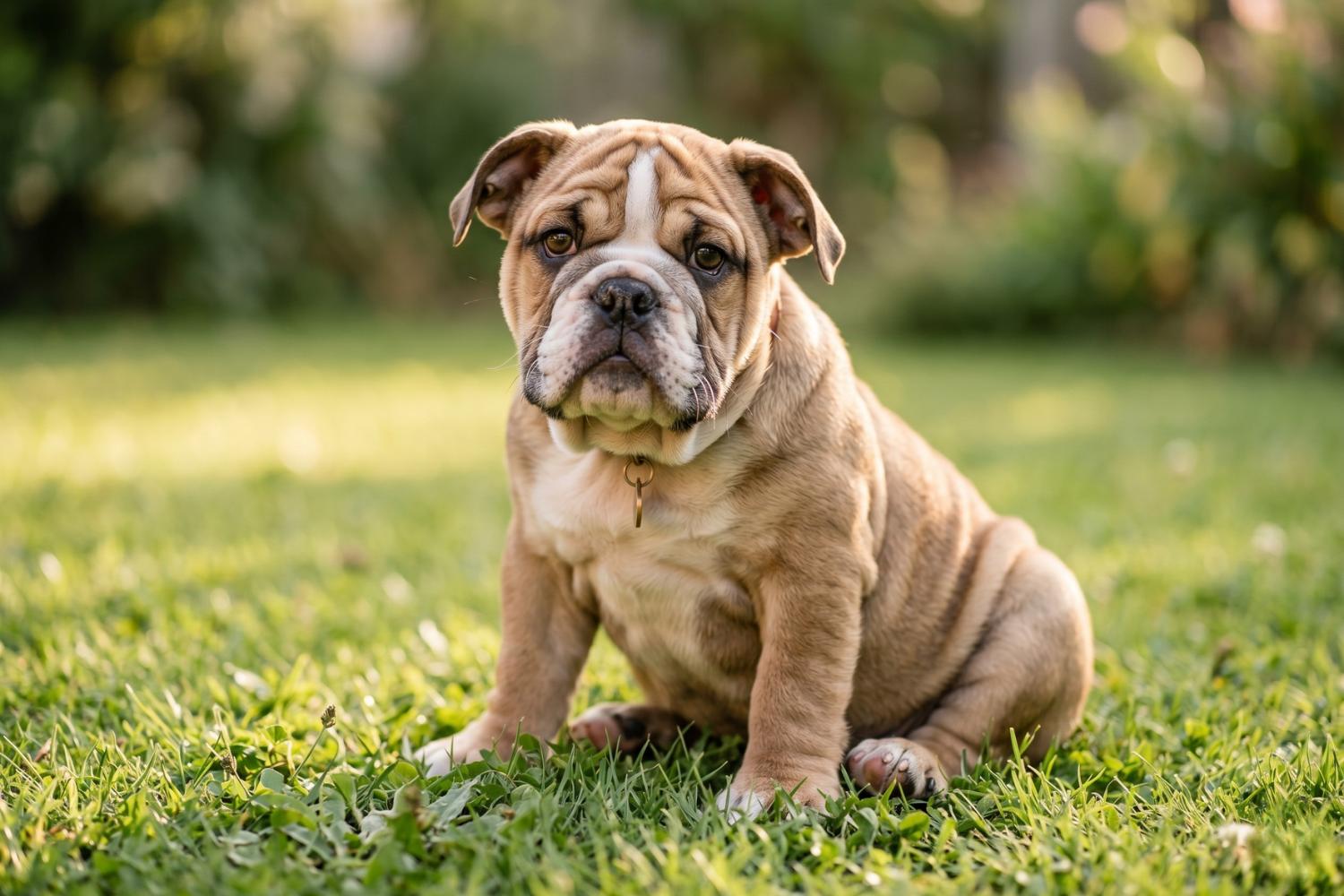
Bulldog puppies are one of the most lovable and recognizable dog breeds in the world. With their adorable wrinkles, stocky build, and calm personality, they make excellent companions for families, singles, and apartment dwellers alike. However, owning a Bulldog puppy also comes with responsibilities—especially when it comes to their health, nutrition, and daily care.
In this detailed guide for Pupify, we’ll explore everything you need to know about Bulldog puppies, including common health concerns, feeding schedules, grooming tips, training advice, and overall care routines to help your puppy grow into a strong, happy adult dog.
1. Introduction to Bulldog Puppies
Bulldog puppies are known for their calm temperament, loyalty, and affectionate nature. Despite their tough appearance, they are gentle and love spending time with their owners. They are especially popular in families due to their patience with children and relatively low exercise requirements.
However, their unique physical structure—short nose, compact body, and skin folds—means they require special care compared to other breeds.
2. Common Health Concerns in Bulldog Puppies
Bulldog puppies are prone to several health issues due to their brachycephalic (short-nosed) structure and genetics. Understanding these early can help you prevent serious problems.
Breathing Problems (Brachycephalic Syndrome)
Bulldogs can develop brachycephalic obstructive airway syndrome (BOAS), where airway abnormalities make breathing difficult. Noisy breathing, tiring easily or difficulty coping with heat should be discussed with your veterinarian rather than dismissed as normal for the breed.
Ask your vet for an activity and hot-weather plan suited to your puppy. Severe difficulty breathing, blue gums or tongue, or collapse require immediate emergency veterinary care.
Skin Infections
Their adorable wrinkles can trap moisture and bacteria. Regular cleaning of skin folds is essential to prevent infections.
Hip Dysplasia
This genetic condition affects the hip joint and can cause pain or mobility issues later in life.
Obesity
Bulldogs gain weight easily, which can worsen breathing and joint problems.
Eye Conditions
Cherry eye and dry eye are common and should be monitored regularly.
Care planning: Regular veterinary care and appropriate nutrition help support your puppy’s health, but they cannot guarantee prevention of inherited or structural conditions. Ask your veterinarian which signs to watch for and what monitoring your individual puppy needs. Before buying or adopting, request available health records and discuss any concerns with your vet.
3. Proper Feeding Schedule for Healthy Growth
A proper feeding routine is essential for Bulldog puppies.
8–12 Weeks Old
- 4 meals per day
- Small portions
- High-protein puppy food
3–6 Months Old
- 3 meals per day
- Gradually increase portion size
6–12 Months Old
- 2 meals per day
- Maintain balanced nutrition
Important Feeding Tips:
- Avoid overfeeding
- Do not feed immediately after exercise
- Always provide fresh water
- Use slow-feeder bowls to prevent gulping
4. Best Foods for Bulldog Puppies
A balanced diet should include:
- High-quality protein (chicken, lamb, fish)
- Healthy fats for skin and coat
- Omega-3 fatty acids
- Digestible carbohydrates like rice or sweet potato
Foods to Avoid:
- Chocolate
- Onions and garlic
- Fatty human food
- Excess dairy
If you’re unsure, consult your veterinarian for a breed-specific diet plan.
5. Grooming and Hygiene Care
Bulldog puppies require regular grooming to stay healthy.
Wrinkle Cleaning
Clean facial folds at least 2–3 times per week using a damp cloth.
Bathing
Once every 3–4 weeks is enough unless they get dirty.
Nail Trimming
Trim nails every 2–3 weeks.
Ear Cleaning
Check ears weekly to prevent infections.
6. Exercise and Activity Needs
Plan activity around your puppy’s breathing, comfort and the weather rather than a fixed walking duration. Ask your veterinarian what is suitable for their age and health, particularly if you notice noisy breathing or difficulty exercising.
Choose cool conditions and begin with gentle activity close to home. Let your puppy pause and explore without forcing them to keep pace. Avoid strenuous exercise in hot or humid weather, and stop if their breathing becomes more difficult or they struggle to continue.
You can also practise short, reward-based training sessions indoors, such as coming when called or settling on a mat. Allow quiet rest between activities. Indoor play still needs supervision and should stop if your puppy shows discomfort or breathing difficulty.
7. Training Tips for Bulldog Puppies
Bulldogs can be a little stubborn, but they respond well to positive reinforcement.
Training Tips:
- Use treats and rewards
- Keep sessions short (5–10 minutes)
- Be consistent
- Avoid harsh punishment
Basic commands like “sit,” “stay,” and “come” should be taught early.
8. Socialization and Behavior Development
Early socialization is very important for Bulldog puppies.
Expose them to:
- Different people
- Other dogs
- Household noises
- Outdoor environments
This helps prevent aggression and anxiety later in life.
9. Veterinary Care and Vaccination
Arrange a veterinary appointment after bringing your Bulldog puppy home. Take their vaccination records, parasite-treatment history and any information supplied by the breeder or rescue. Ask the vet to review what has already been given and provide a written plan for the next appointments.
Vaccination timing depends on your puppy’s age, previous doses, the vaccines used and local exposure risks. Do not assume that a puppy’s protection is complete after a fixed number of injections. Ask when the next dose is due and what precautions to take while the vaccination series is underway.
Discuss parasite prevention separately. The appropriate products and timing depend on your puppy’s age, weight, location and lifestyle. Follow your veterinarian’s instructions rather than using a general “every few weeks” schedule.
Use the appointment to discuss breathing, skin folds, eyes, growth and body condition. Keep a record of concerns you notice at home so you can describe when they occur.
10. Preparing Your Home and Budget
Before bringing your puppy home, plan where they will sleep, eat and rest. Provide a comfortable indoor resting area and consider how you will keep the home cool during hot weather. Ask your veterinarian whether stairs or other parts of your home need particular precautions for your puppy.
Build a budget using actual quotes rather than a general breed estimate. Include:
- Puppy food and routine supplies.
- Veterinary appointments, vaccinations and parasite prevention.
- Training support.
- Insurance premiums, deductibles and exclusions, if you choose insurance.
- A reserve for unexpected veterinary care.
Ask an insurer specifically about cover for breathing problems, inherited conditions and anything already recorded in the puppy’s medical history. Read the policy before relying on it.
Request available health records from the breeder or rescue and take them to your first veterinary appointment. This gives you a starting point for planning your individual puppy’s care.
11. Final Thoughts
Bulldog puppies are affectionate, loyal, and wonderful companions. However, they do require special care due to their health sensitivities. With the right diet, proper grooming, regular vet care, and gentle training, your Bulldog puppy can grow into a healthy and happy adult dog.
If you’re planning to bring one home, prepare for a rewarding journey filled with love, loyalty, and plenty of adorable wrinkles!