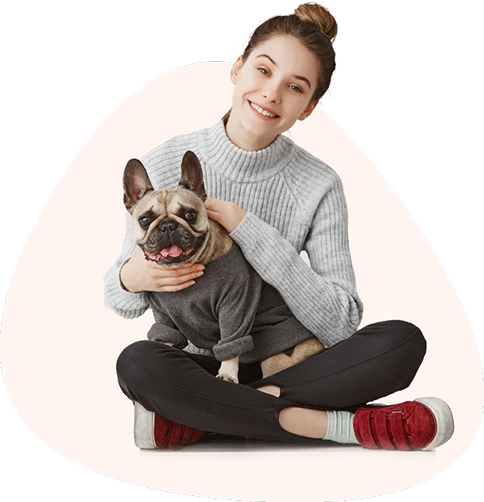

Dachshund puppies are charming little dogs with their distinctive long bodies and playful personalities. Their unique shape brings specific care requirements that help maintain a healthy, happy life. Whether you are exploring options for connecting with others interested in dachshund puppies in Canada or learning about proper care, this guide will provide helpful insights.
Understanding the Dachshund Puppy
Dachshund puppies are small, energetic, and intelligent. Their long spines and short legs make them prone to certain health concerns, particularly related to their back. Knowing the breed’s characteristics is essential for maintaining their well-being.
Physical Traits
- Long, low bodies with a sturdy chest
- Short legs designed for digging
- Smooth, wirehaired, or longhaired coats
- High energy levels, curiosity, and intelligence
Common Health Considerations
Dachshunds are predisposed to intervertebral disc disease (IVDD), a condition involving the discs between the bones of the spine. Good daily care supports their health, but it cannot guarantee prevention of disc disease. Ask your veterinarian about your puppy’s body condition, activity and any relevant family health history.
Watch for new back or neck pain, reluctance to move, wobbliness or weakness. These signs need prompt veterinary assessment. Sudden inability to walk, dragging the legs or difficulty urinating requires urgent veterinary attention. Do not encourage your dog to walk or jump to test the problem; contact your vet for instructions on restricting movement and transporting them.
Nutrition for Dachshund Puppies
Proper nutrition supports the development of bones, muscles, and overall energy. A balanced diet is crucial to prevent excessive weight gain, which can stress the long spine.
Feeding Guidelines
- Choose high-quality puppy food with sufficient protein and nutrients
- Maintain portion control to prevent obesity
- Provide fresh water at all times
- Avoid table scraps or foods that may upset digestion
Exercise and Activity
Dachshund puppies have bursts of energy but also require controlled activity to protect their backs. Activities should focus on gentle play rather than excessive jumping or climbing.
Safe Play Tips
- Short walks on flat surfaces
- Interactive toys that encourage movement without jumping
- Supervised play sessions with other dogs of similar size
- Avoid stairs or furniture climbing that can strain the spine
Training and Socialization
Dachshunds are intelligent but can be stubborn. Early socialization with other dogs, people, and environments helps them develop confidence. Positive reinforcement techniques work best for this breed.
Training Considerations
- Use consistent commands and routines
- Reward-based methods promote cooperation
- Introduce new experiences gradually to avoid anxiety
Grooming Your Dachshund Puppy
Coat care depends on the specific type of fur. Smooth coats require minimal grooming, while longhaired or wirehaired varieties need regular brushing. Nail trimming, ear cleaning, and dental care are vital for overall health.
Grooming Checklist
- Brush coat as needed
- Check and clean ears weekly
- Trim nails regularly
- Maintain dental hygiene with puppy-safe toothbrushes
Connecting with Others and Resources
In Canada, connecting with others who share interest in dachshund puppies can provide support and guidance. Online listings and community groups allow people to browse and find information directly related to this breed. User reviews and shared experiences can be valuable resources for learning about daily care, training, and general well-being.
A practical routine for your Dachshund puppy
Start the day with a toilet break, then offer a measured meal according to your puppy’s feeding plan. Take them back to their toilet area after eating, waking and playing. Reward them immediately after they finish. Keep a simple record of accidents so you can adjust the timing rather than expecting every puppy to follow the same schedule.
Use ordinary moments for short training sessions. Practise coming when called across a quiet room, waiting briefly at a doorway or settling on a mat. Begin with one or two minutes and reward successful attempts. Use some of the daily food allowance where appropriate, and account for additional treats.
Arrange the home so your puppy can reach their resting space, water and toilet exit without repeatedly scrambling onto furniture. Block unsupervised access to areas you have not puppy-proofed. Check that any ramp you use is stable and has a surface your puppy can grip; introduce it gradually with supervision. Home adjustments make everyday movement easier, but they do not guarantee prevention of back problems.
Ask your veterinarian to demonstrate comfortable handling and lifting. Share those instructions with everyone in the household, including visitors. Children should interact with the puppy under adult supervision rather than carrying them around or encouraging rough play.
Offer simple enrichment at floor level. For example, place a few pieces of their usual food in visible spots in a clear indoor area and let them search. Keep the game separate from other dogs if there is competition over food, and supervise to prevent access to unsuitable objects. Follow activity with an opportunity to rest quietly.
Keep useful records for veterinary visits: current food, portions, weight checks, vaccination history and any changes in movement or behaviour. A short description of when a concern started is more useful than assuming it is simply a breed trait. Ask the breeder or rescue for available health records and keep them with your puppy’s paperwork.
Key Takeaways for Dachshund Puppy Health
- Prioritize spinal care through controlled exercise and safe play
- Feed a balanced diet to maintain healthy weight
- Engage in gentle training and early socialization
- Maintain grooming routines suited to coat type
- Utilize community feedback and resources for additional guidance
Dachshund puppies are delightful companions, and understanding their unique needs ensures a long, active life. Staying informed about breed-specific care and health considerations can make the experience more enjoyable and fulfilling.