
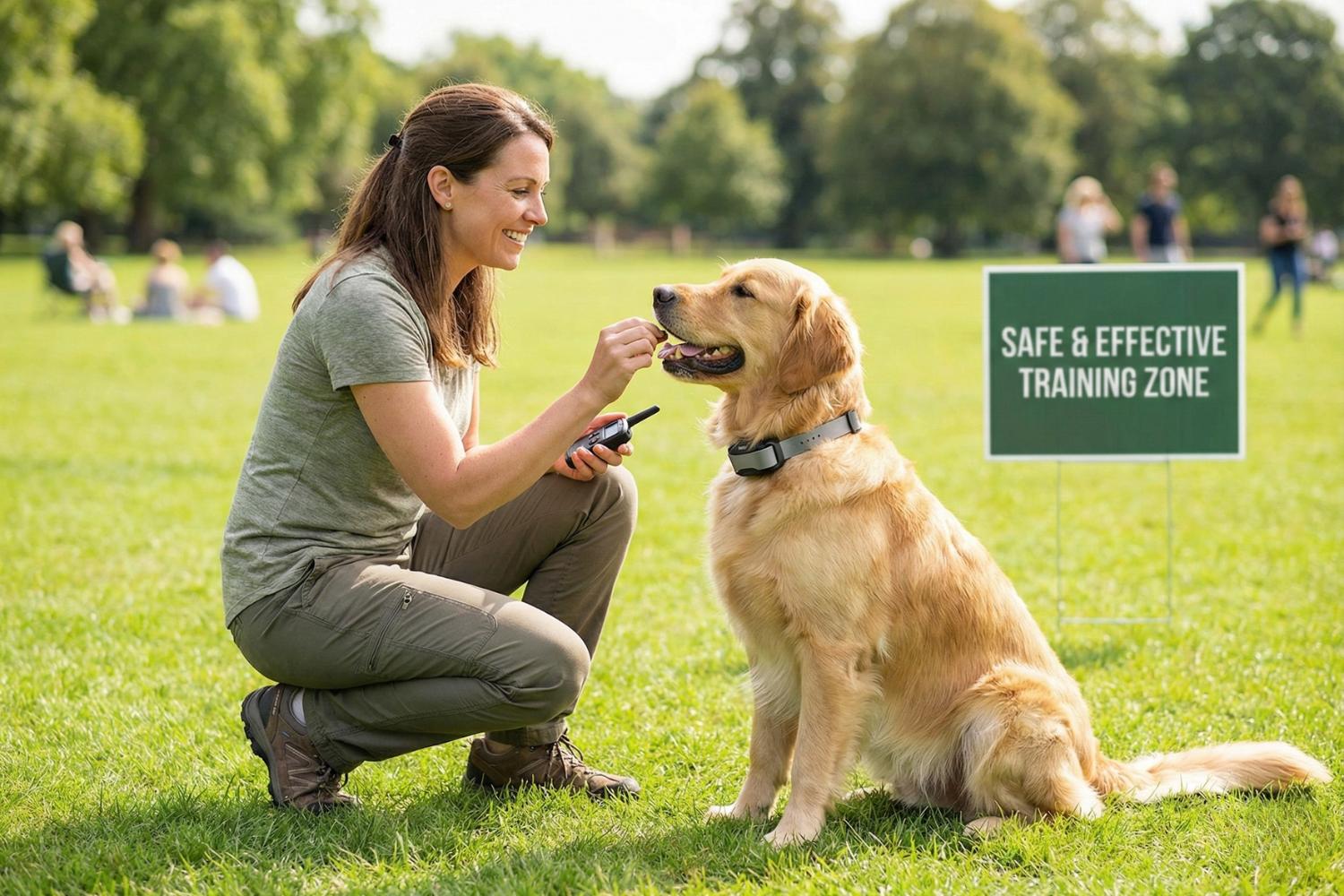
Training your dog can be a rewarding but challenging experience. One tool many pet owners consider is the dog training collar trainer. When used properly, it can enhance communication between you and your dog, helping them understand commands faster and behave better. However, safety and proper usage are critical to ensure your pup’s well-being.
This guide will cover everything you need to know about choosing, using, and maintaining a dog training collar trainer safely, so your training sessions are both effective and humane.
What is a Dog Training Collar Trainer?
A dog training collar trainer is a device worn around a dog’s neck that emits signals—such as vibrations, sounds, or mild static stimulation—to reinforce training commands. These collars are commonly used to teach:
- Basic obedience commands like “sit,” “stay,” or “come”
- Correcting unwanted behaviors like excessive barking or jumping
- Off-leash control for outdoor activities
Modern training collars are designed with safety in mind, offering adjustable settings suitable for dogs of different sizes and temperaments.
Types of Dog Training Collar Trainers
There are several types of training collars available, each serving different purposes:
- Vibration Collars
- Emit a gentle vibration as a signal
- Ideal for sensitive dogs or puppies
- Non-aversive and safe for daily use
- Static/Electronic Collars
- Deliver mild electric stimulation to get your dog’s attention
- Best for dogs that are hard to train or ignore other cues
- Always start with the lowest intensity and increase gradually
- Spray/No-Bark Collars
- Release citronella or sound when the dog barks
- Helps reduce excessive barking
- Safer than static collars for some breeds
- Ultrasonic Collars
- Emit high-frequency sound that only dogs can hear
- Non-physical and safe, but less effective for stubborn dogs
Benefits of Using a Dog Training Collar Trainer
When used correctly, a dog training collar trainer can provide several advantages:
- Faster Learning: Dogs quickly associate signals with commands.
- Consistency: Reinforces training even when off-leash.
- Behavior Correction: Helps curb unwanted behaviors safely.
- Communication: Improves understanding between owner and dog.
How to Choose the Right Dog Training Collar Trainer
Choosing the wrong collar can be unsafe or ineffective. Keep these tips in mind:
- Size & Fit: The collar should fit snugly but not too tight—two fingers should fit comfortably between the collar and the dog’s neck.
- Adjustable Settings: Opt for collars with multiple vibration or stimulation levels for control and comfort.
- Range: For remote collars, consider the operating range—especially for off-leash training outdoors.
- Battery Life: Rechargeable collars are convenient, while replaceable battery models are easier for long-term use.
- Material Quality: Durable, waterproof materials withstand active dogs and outdoor training.
- Dog Temperament: Sensitive dogs may respond better to vibration or ultrasonic collars rather than static ones.
Step-by-Step Guide to Using a Dog Training Collar Trainer Safely
Using a dog training collar trainer responsibly is crucial. Follow these steps:
Step 1: Introduce the Collar Gradually
- Let your dog wear the collar without activating it for a few hours.
- Reward your dog with treats and praise for staying calm.
Step 2: Start with Low Settings
- For vibration or static collars, begin at the lowest level.
- Observe your dog’s reactions and never increase intensity unnecessarily.
Step 3: Pair Signals with Commands
- Give the command (e.g., “sit”) and immediately use the collar signal.
- Reward your dog when they obey. Positive reinforcement is key.
Step 4: Short Training Sessions
- Keep sessions under 15 minutes to prevent stress or over-stimulation.
- End on a positive note with treats or playtime.
Step 5: Monitor Behavior
- Stop using the collar if your dog shows signs of anxiety or discomfort.
- Gradually reduce reliance on the collar as the dog learns commands.
Common Mistakes to Avoid
- Overusing the Collar: Using it for punishment or long periods can harm your dog physically and emotionally.
- Ignoring Positive Reinforcement: Never rely solely on the collar—always reward good behavior.
- Skipping Training Basics: Collars should complement, not replace, basic obedience training.
- Wrong Fit: Collars that are too tight or too loose may be ineffective or unsafe.
Maintaining Your Dog Training Collar Trainer
- Clean regularly: Wipe off dirt or saliva with a damp cloth.
- Check batteries: Recharge or replace batteries as needed.
- Inspect for damage: Frayed straps or malfunctioning electronics can harm your dog.
- Store safely: Keep the collar in a cool, dry place when not in use.
Alternatives and Complementary Training Methods
While dog training collar trainers can be effective, consider combining them with:
- Clicker Training: Reinforces commands with a sound signal.
- Leash Training: Strengthens obedience during walks.
- Positive Reinforcement: Treats, praise, and play for encouragement.
These methods ensure your dog develops good habits without reliance solely on technology.
Conclusion
A dog training collar trainer can be a valuable tool when used correctly, helping your dog learn commands, correct unwanted behavior, and enjoy safer off-leash activities. Always prioritize your dog’s comfort and combine collar training with positive reinforcement for the best results. Remember, patience and consistency are the true keys to successful dog training.