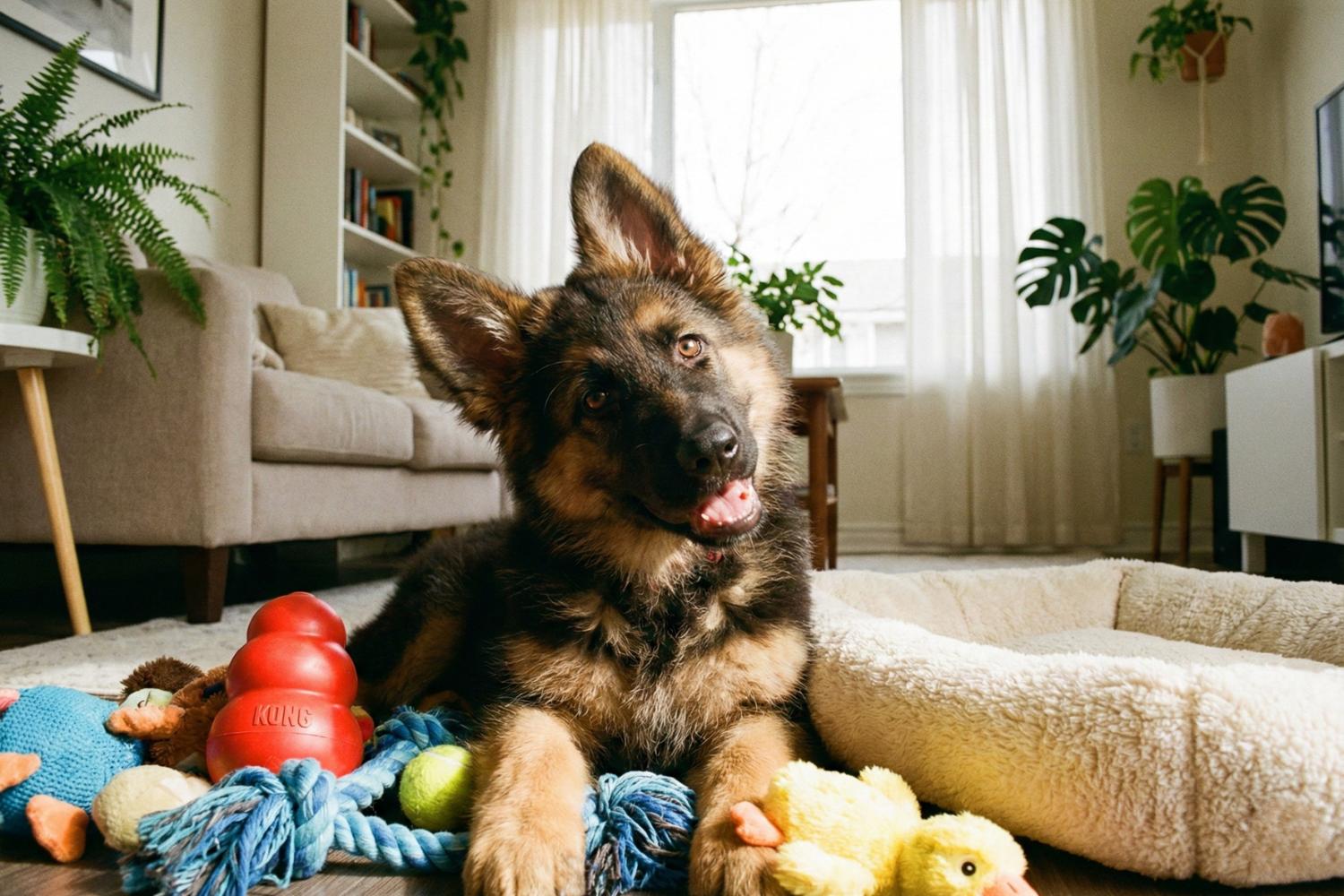
Bringing home german shepherd puppies is an exciting journey for any dog lover. These intelligent, loyal, and energetic dogs make wonderful companions, but their care requires preparation, consistency, and understanding of their unique needs. This guide is designed to help new owners learn about raising german shepherd puppies, covering training, socialization, nutrition, and general care.
Disclaimer: Pupify is a connection-based marketplace and does not verify, guarantee, or participate in transactions between users.
Understanding German Shepherd Puppies
German shepherd puppies are known for their intelligence, adaptability, and strong bond with their owners. They are highly trainable and thrive when given mental stimulation and physical activity. However, their high energy levels and strong instincts mean they need consistent guidance, socialization, and proper care from an early age.
Preparing Your Home
Before bringing a puppy home, it’s important to prepare your environment:
- Designate a safe space: Puppies need a comfortable, quiet area to rest.
- Remove hazards: Keep chemicals, small objects, and wires out of reach.
- Buy essential supplies: Food, water bowls, crate, toys, grooming tools, and a leash.
Training German Shepherd Puppies
Training is crucial for german shepherd puppies due to their intelligence and eagerness to learn. Start early with positive reinforcement techniques.
1. Basic Commands
Teach your puppy foundational commands like:
- Sit
- Stay
- Come
- Down
- Leave it
Consistency and patience are key. Short, frequent training sessions (5–10 minutes) work best for young puppies.
2. Socialization
Introduce people, sounds and environments gradually, at a distance where your puppy appears comfortable. Let them observe without requiring them to approach or be touched.
For example, a visitor can sit quietly while your puppy watches from across the room. Reward calm attention and allow your puppy to move away. If they hide, freeze or repeatedly try to leave, reduce the pressure rather than pushing the interaction.
Choose controlled introductions instead of busy gatherings or greetings with unfamiliar dogs. Ask your veterinarian about suitable places and precautions while vaccinations are underway.
Keep experiences brief and manageable. If you are concerned about fear or behaviour, seek guidance from a qualified trainer who uses reward-based methods.
3. House Training
Establish a regular routine for potty breaks. Praise and reward your puppy when they go in the right place.
4. Mental Stimulation
German shepherds are intelligent and need mental exercise. Puzzle toys, scent games, and obedience training keep them engaged.
Nutrition and Feeding
Choose a puppy food whose nutritional adequacy statement covers growth, including growth of large-size dogs. Check the exact recipe’s label rather than relying on the brand name or the picture on the bag.
Take the food’s name, calorie information and feeding directions to your veterinarian. Ask about a suitable daily amount, meal routine and how to monitor your puppy’s growth and body condition.
Measure the agreed daily allowance and divide it between meals. Include food used as training rewards when discussing the feeding plan. If several people feed your puppy, keep a shared record to avoid accidental extra meals.
Provide fresh water and ask your veterinarian before adding supplements. Appropriate feeding supports growth, but it cannot guarantee prevention of inherited joint conditions.
Exercise and Play
Plan activity around your puppy’s age, health and comfort. Ask your veterinarian what is appropriate for their stage of growth rather than increasing exercise intensity simply because they are getting bigger.
Offer gentle exploration, supervised play and short training sessions, with opportunities to rest. For example, practise coming when called over a short distance in a secure area, or reward your puppy for walking beside you indoors before adding outdoor distractions.
Avoid forcing your puppy to keep pace or continue when they want to stop. Discuss planned running, jumping or repetitive exercise with your veterinarian first.
Mental activities can be part of the routine too. Keep food-search games simple and supervise any puzzle toy. The aim is manageable activity your puppy can enjoy, rather than trying to exhaust them.
Grooming and Health
German shepherds have a double coat that requires routine grooming:
- Brush at least 2–3 times a week to remove loose hair.
- Bathe only when necessary to maintain natural oils.
- Check ears, nails, and teeth regularly.
Routine veterinary care, vaccinations, and preventive treatments for parasites are essential. Remember, the responsibility for all health and care decisions rests with the puppy owner.
A Practical Routine for the First Week
Start with a simple routine that everyone in your household can follow. Write down meal times, toilet breaks and the words you will use for training. Keep a record of what works rather than expecting your puppy to understand the household immediately.
After waking: Take your puppy to the chosen toilet area. Stay nearby and reward them promptly when they finish. Follow with breakfast and another toilet opportunity as needed. Supervise indoor time so you can notice when they begin looking for somewhere to go.
During training: Choose one small task. For example, say your puppy’s name once and reward them when they turn towards you. Practise in a quiet room before adding distractions. Finish while they are still interested instead of repeatedly testing a response they have not learned.
During play: Offer an appropriate toy and watch how your puppy uses it. Put toys away when they become damaged. If your puppy grabs clothing or household objects, calmly manage access and offer an appropriate alternative. Keep shoes, children’s toys and laundry behind closed doors.
During quiet time: Provide a comfortable resting area where children and visitors will leave the puppy alone. Agree on household rules, including who supervises interactions and where the puppy can rest without interruption.
For new experiences: Introduce one manageable experience at a time. A puppy can watch a visitor from a comfortable distance without being picked up or made to approach. Allow them to move away. Ask your veterinarian about suitable locations and precautions while their vaccination series is underway.
At the end of the day: Record meals, toilet accidents, training progress and any concerns. If accidents happen at a similar time each day, adjust supervision and toilet opportunities. Share the notes with everyone caring for the puppy so the routine stays consistent.
Building a Lifelong Bond
The bond between a puppy and its owner grows through daily interaction, training, and care. Consistency, patience, and attention to your german shepherd puppy’s physical and emotional needs will foster a strong, lasting relationship.