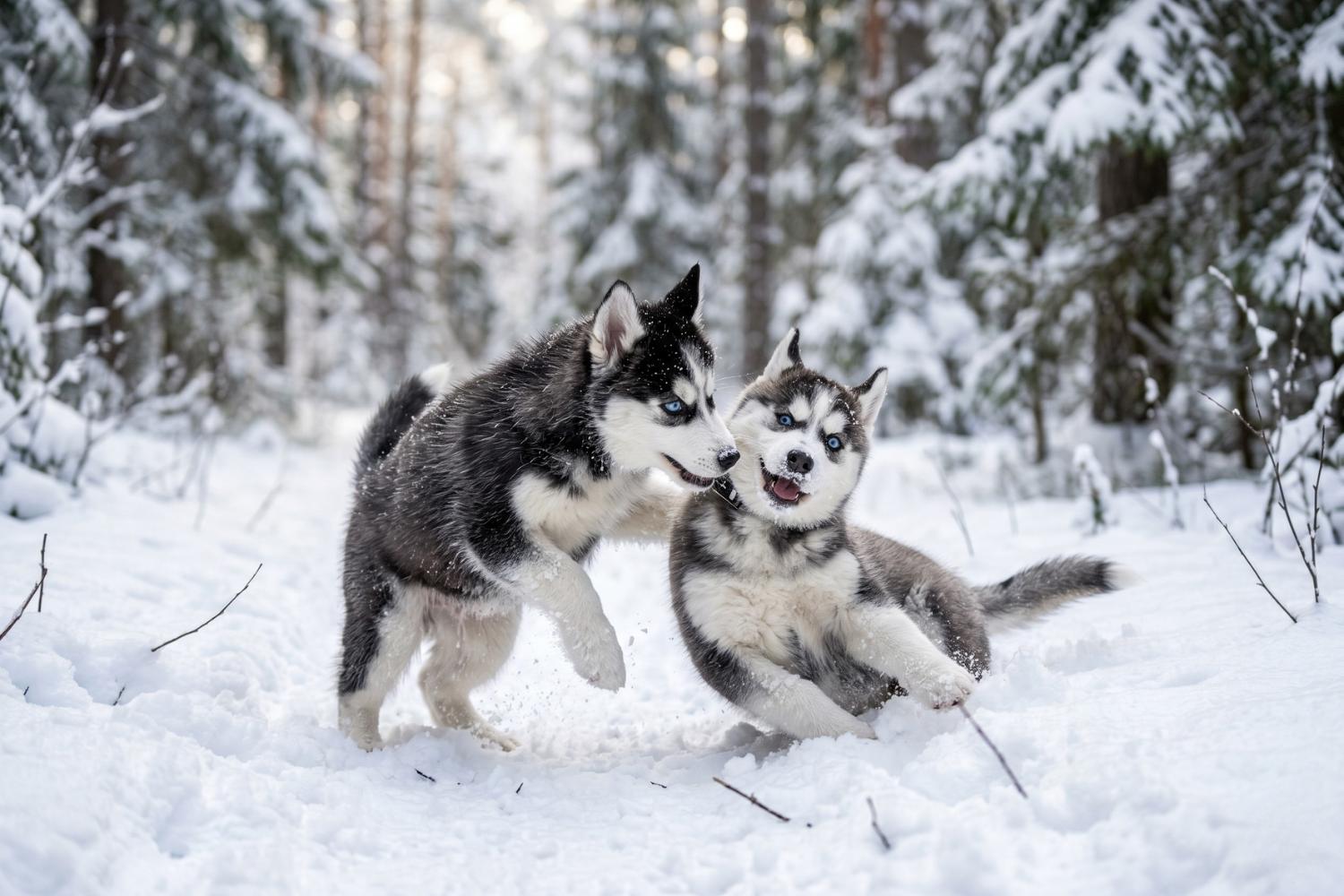
If you are considering bringing home ****, you are in for an exciting journey filled with energy, intelligence, and a bit of stubbornness. Huskies are one of the most beautiful and active dog breeds in the world, known for their wolf-like appearance, striking blue eyes, and playful personality.
However, behind their beauty lies a highly energetic and independent temperament that requires proper training, structure, and care. In this guide, we’ll break down everything you need to know about husky puppies—from training challenges to daily care routines and energy management.
Introduction to Husky Puppies
Husky puppies belong to a working dog lineage originally bred for sled pulling in harsh Arctic environments. This history explains their endurance, strength, and extremely high energy levels.
Unlike many other breeds, huskies are not naturally obedient in the traditional sense. Instead, they are intelligent but independent thinkers. This combination makes them both fascinating and challenging for first-time dog owners.
Before bringing home a husky puppy, it’s important to understand that they require:
- Consistent training
- High physical activity
- Mental stimulation
- Patience and structure
Energy Levels: Why Huskies Are So Active
One of the most defining traits of **** is their extremely high energy level. These dogs were bred to run long distances in freezing temperatures, often pulling heavy sleds for hours without rest.
What This Means for Owners:
A husky puppy will NOT be satisfied with a short walk around the block. Instead, they need:
- At least 1–2 hours of exercise daily
- Running, hiking, or off-leash play in secure areas
- Mental stimulation through games and training
Without proper exercise, huskies can become:
- Destructive (chewing furniture, digging)
- Loud (howling and barking)
- Restless and anxious
Training Challenges with Husky Puppies
Training huskies is often described as “rewarding but challenging.” They are extremely intelligent, but they also have a strong independent streak.
1. Stubborn Nature
Husky puppies may understand commands but choose not to follow them. This is not disobedience in the traditional sense—it’s independence.
2. Low Food Motivation
Unlike many breeds, huskies are not always highly food-driven, which can make treat-based training less effective.
3. Short Attention Span
They get bored easily and may lose interest in repetitive training sessions.
How to Train Husky Puppies Successfully
To successfully train ****, you need:
✔ Consistency
Use the same commands and rules every day.
✔ Positive Reinforcement
Reward good behavior with praise, toys, or playtime.
✔ Short Sessions
Keep training sessions between 10–15 minutes.
✔ Early Socialization
Expose them to people, pets, sounds, and environments early.
✔ Leadership
Huskies respond well to confident, calm leadership.
Daily Care Guide for Husky Puppies
Taking care of husky puppies requires commitment and routine. Their physical and emotional needs must be met daily.
Exercise Requirements
Husky puppies are not apartment-friendly unless owners are extremely active.
Daily exercise should include:
- Long walks (morning and evening)
- Running or jogging sessions
- Interactive play (fetch, tug-of-war)
- Dog parks or safe enclosed areas
Without enough exercise, huskies may develop behavioral problems.
Diet and Nutrition
A balanced diet is essential for growing husky puppies.
Key Nutritional Needs:
- High-quality protein for muscle development
- Healthy fats for energy
- Omega-3 fatty acids for coat health
- Controlled portions to avoid overeating
Avoid overfeeding, as huskies naturally eat less than many other breeds.
Grooming Needs
Huskies have a thick double coat that requires regular maintenance.
Grooming Tips:
- Brush 2–3 times per week (daily during shedding season)
- Expect heavy shedding twice a year (“blowing coat”)
- Bathe only when necessary (too much bathing strips natural oils)
- Regular nail trimming and ear cleaning
Health Considerations
Huskies are generally healthy dogs, but like all breeds, they can be prone to certain conditions:
- Hip dysplasia
- Eye conditions (cataracts, progressive retinal atrophy)
- Skin allergies
- Zinc deficiency (in some cases)
Regular vet checkups are essential for early detection.
Social Behavior and Temperament
Husky puppies are naturally social and friendly but not always protective guard dogs. They tend to:
- Get along well with other dogs
- Be friendly toward strangers
- Show high curiosity
- Have a strong prey drive (small animals caution needed)
Early training helps shape their social behavior positively.
Mental Stimulation: A Must for Huskies
Physical exercise alone is not enough. Huskies need mental stimulation to stay balanced.
Activities include:
- Puzzle toys
- Obedience training games
- Hide and seek
- Learning new tricks
- Scent games
A mentally engaged husky is a well-behaved husky.
Common Mistakes New Husky Owners Make
Many first-time owners struggle with huskies due to misunderstanding their needs.
Avoid these mistakes:
- Not exercising them enough
- Leaving them alone for long hours
- Using punishment-based training
- Expecting them to behave like calm breeds
- Not securing fences (they are escape artists)
Living Environment Requirements
Husky puppies need space and security. They are known escape artists and can jump, dig, or climb fences.
Ideal environments include:
- Houses with large fenced yards
- Active households
- Rural or suburban areas
Not ideal:
- Small apartments without exercise routine
- Inactive households
Are Husky Puppies Right for You?
Before adopting ****, ask yourself:
- Can I give 2+ hours daily for exercise?
- Do I have patience for training challenges?
- Can I handle shedding and grooming?
- Am I ready for a long-term commitment (12–15 years)?
If yes, a husky can be an incredibly rewarding companion.
Conclusion
Husky puppies are intelligent, energetic, and beautiful dogs that require dedicated care, proper training, and an active lifestyle. While they can be challenging, they are also deeply loyal and affectionate when their needs are properly met.
With the right balance of exercise, training, and love, huskies become amazing lifelong companions.
If you are ready for the adventure, exploring **** might be the perfect first step toward bringing home your new best friend.