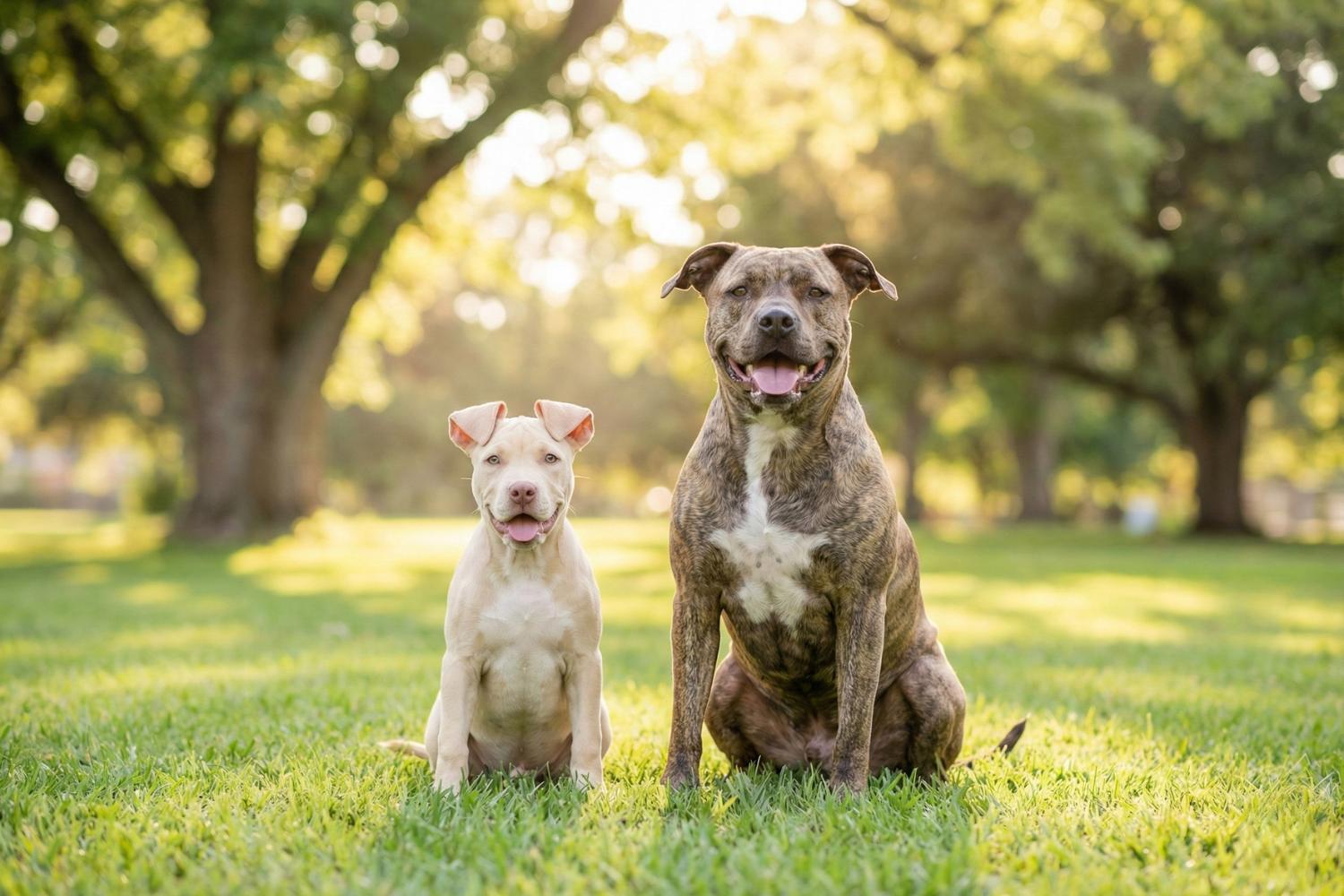
Pitbull dogs and puppies are among the most misunderstood breeds in the world. While they are often surrounded by controversy and stereotypes, those who truly know them understand that they are loyal, affectionate, intelligent, and incredibly people-oriented companions.
If you’re considering bringing one into your home — or simply want to learn more — this complete guide will separate myths from facts and provide practical care advice every owner should know.
If you’re currently exploring pitbull dogs and puppies, this guide will help you make an informed and responsible decision.
Understanding Pitbull Dogs and Puppies
The term “Pitbull” does not refer to just one single breed. It commonly includes:
- American Pit Bull Terrier
- American Staffordshire Terrier
- Staffordshire Bull Terrier
- American Bully
Each of these breeds shares similar physical traits and personality characteristics, but individual temperament depends heavily on upbringing, training, and socialization.
Pitbull dogs and puppies are known for:
- Muscular, athletic builds
- Short coats and low grooming needs
- High intelligence
- Strong loyalty to their families
- Playful, energetic personalities
Despite their strong appearance, most well-raised Pitbulls are affectionate and gentle with their families.
Common Myths About Pitbull Dogs and Puppies
Myth #1: Pitbulls Are Naturally Aggressive
This is the most widespread misconception.
Fact: No dog is born aggressive toward humans. Behavior is shaped by:
- Training
- Socialization
- Environment
- Owner responsibility
Well-raised pitbull dogs and puppies are typically affectionate, loving, and deeply attached to their families.
Myth #2: Pitbulls Are Dangerous Around Children
Many families successfully raise Pitbulls alongside children.
Fact: With proper supervision, early socialization, and training, Pitbulls can be gentle and protective family companions.
However, like any breed, children should always be taught how to respectfully interact with dogs.
Myth #3: Pitbulls Have “Locking Jaws”
There is no scientific evidence that Pitbulls have a special locking jaw mechanism. Their jaw structure is no different from many other medium-to-large breeds.
Myth #4: They Cannot Be Trained
Pitbull dogs and puppies are highly intelligent and eager to please. With consistent training, they excel in:
- Obedience
- Agility
- Weight pulling
- Service and therapy work
They respond best to positive reinforcement methods.
The True Personality of Pitbull Dogs and Puppies
When raised properly, Pitbulls are:
- Loyal and devoted
- Extremely affectionate
- Energetic and playful
- People-focused
- Confident and courageous
They thrive on human interaction and often form very strong bonds with their owners.
Are Pitbull Dogs and Puppies Right for You?
Before searching for pitbull dogs and puppies, consider:
1. Activity Level
Pitbulls are energetic. They need:
- Daily walks
- Structured playtime
- Mental stimulation
Without enough exercise, they may develop destructive habits.
2. Training Commitment
Early training and socialization are essential. Owners must be:
- Consistent
- Patient
- Responsible
3. Housing Considerations
While they can adapt to apartment living, they do best in homes where they get sufficient outdoor exercise.
4. Local Regulations
Some areas have breed-specific regulations. Always check your local laws before bringing one home.
Care Tips for Pitbull Dogs and Puppies
1. Nutrition
Pitbull dogs and puppies require high-quality, protein-rich diets to support their muscular build.
Look for:
- Real meat as the first ingredient
- Balanced fat content
- No unnecessary fillers
Always adjust portion sizes based on age and activity level.
2. Exercise Requirements
They need at least:
- 60–90 minutes of exercise daily
- Interactive toys
- Mental challenges
Activities they enjoy:
- Tug games
- Fetch
- Agility training
3. Socialization
Early exposure to:
- Different people
- Other dogs
- New environments
- Sounds and situations
This helps prevent fear-based behavior later in life.
4. Grooming Needs
Pitbulls have short coats and are low-maintenance.
Basic grooming includes:
- Weekly brushing
- Occasional baths
- Nail trimming
- Ear cleaning
5. Health Considerations
Pitbull dogs and puppies can be prone to:
- Hip dysplasia
- Skin allergies
- Thyroid issues
- Heart conditions
Routine vet visits are essential to maintain health.
Training Tips for Pitbull Puppies
Starting early is critical.
Begin With Basic Commands
Teach:
- Sit
- Stay
- Come
- Leave it
Use positive reinforcement such as treats and praise.
Crate Training
Crate training helps with:
- Housebreaking
- Preventing destructive behavior
- Providing a safe space
Leash Training
Due to their strength, leash manners are essential. Start training early so your puppy learns not to pull.
Social Responsibility of Owning Pitbull Dogs and Puppies
Because of their reputation, owners must be especially responsible:
- Keep vaccinations up to date
- Spay/neuter when appropriate
- Use proper containment (fenced yard or secure leash)
- Continue training throughout adulthood
Responsible ownership helps improve the public perception of pitbull dogs and puppies.
How to Find Pitbull Dogs and Puppies Responsibly
When searching for pitbull dogs and puppies, it’s important to choose responsible sources.
Pupify is a connection-based marketplace platform that connects independent buyers and independent sellers of dog-related products and services directly.
Pupify does not sell dogs, verify listings, manage transactions, or guarantee animals. Instead, it allows buyers and sellers to connect directly so they can communicate and make informed decisions independently.
Always:
- Ask questions about the puppy’s health history
- Request vaccination records
- Meet the seller when possible
- Observe the puppy’s environment
The Importance of Early Socialization
Early experiences shape a puppy’s adult temperament.
Introduce pitbull dogs and puppies to:
- Car rides
- Grooming sessions
- Vet visits
- Guests at home
Make each experience positive and rewarding.
Living With an Adult Pitbull
As adults, Pitbulls remain:
- Playful
- Loyal
- Protective
They often become “velcro dogs” who love staying close to their humans.
Provide:
- Structured routine
- Ongoing mental stimulation
- Physical outlets for energy
Pros and Cons of Pitbull Dogs and Puppies
Pros
✔ Extremely loyal
✔ Intelligent and trainable
✔ Affectionate family dogs
✔ Low grooming needs
Cons
✘ Require consistent training
✘ High energy
✘ May face breed restrictions
✘ Need strong, confident owners
Building a Positive Reputation for the Breed
Every responsible owner contributes to changing public perception.
You can help by:
- Training consistently
- Socializing properly
- Being an advocate for responsible dog ownership
- Showing how well-mannered pitbull dogs and puppies truly behave
Final Thoughts
Pitbull dogs and puppies are loving, loyal, and intelligent companions when raised responsibly. They are not defined by myths or media headlines but by the care, structure, and love they receive from their owners.
If you are prepared to commit to training, exercise, and responsible ownership, a Pitbull can become one of the most devoted companions you will ever have.
If you’re currently exploring pitbull dogs and puppies, take your time, ask the right questions, and make an informed decision that benefits both you and the dog.