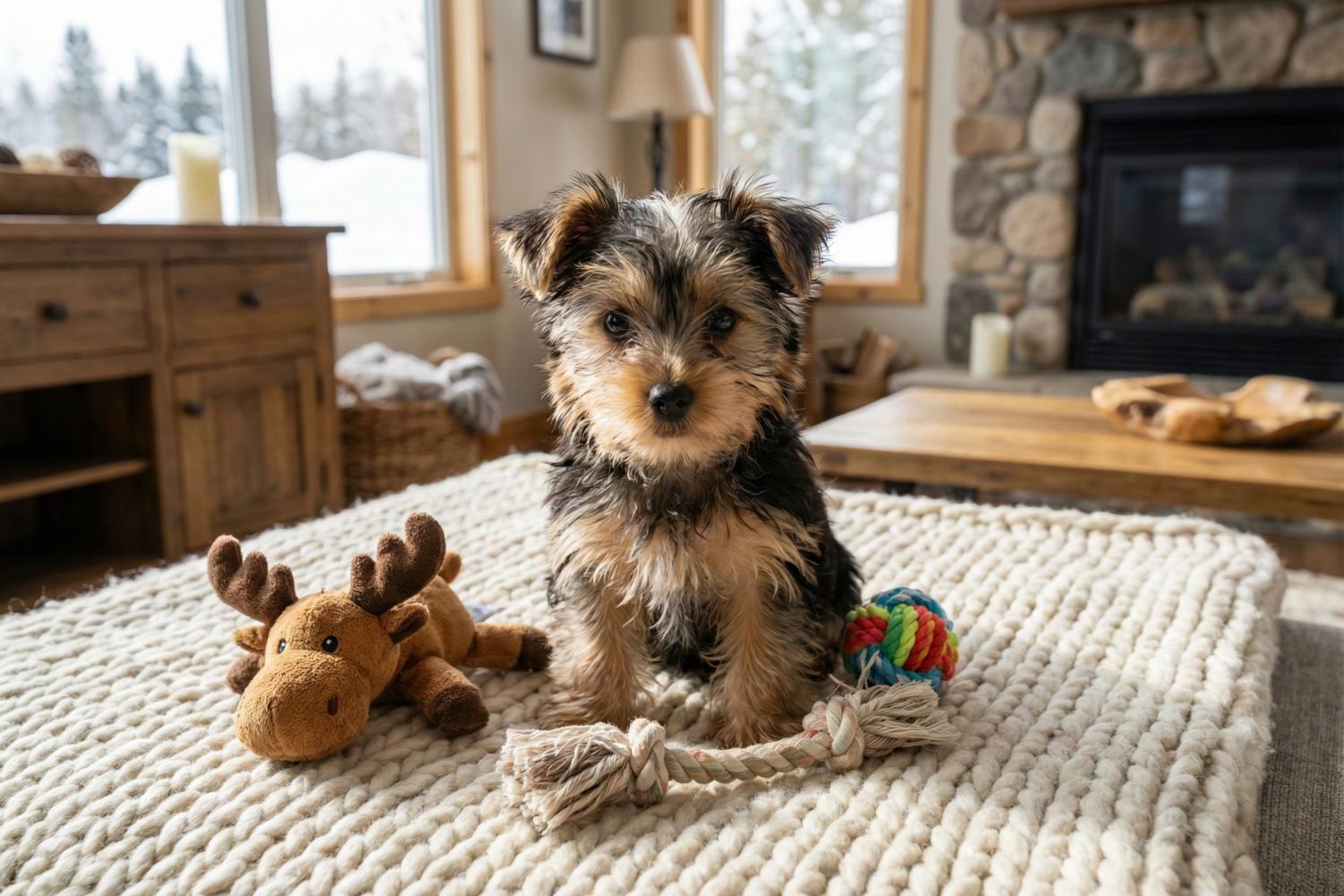
Bringing home yorkie puppies is an exciting experience. These tiny, intelligent, and affectionate companions quickly become part of the family. For households across Canada, early socialization and consistent training play a major role in helping a Yorkshire Terrier grow into a confident, well-mannered adult dog.
Whether you’re browsing listings or exploring options through platforms like Pupify, understanding how to properly raise and train a Yorkie will help you make informed decisions and prepare for long-term success.
Understanding Yorkie Puppies
The Yorkshire Terrier is a small but spirited breed known for:
- High intelligence
- Strong loyalty
- Playful personality
- Alert nature
Despite their small size, yorkie puppies often display bold behavior. Without proper guidance, they can develop stubborn habits. Early structure, positive reinforcement, and consistent routines are key.
Why Early Socialization Matters
Socialization is the process of gently exposing yorkie puppies to new people, environments, sounds, and experiences in a controlled and positive way.
Benefits of Early Socialization
- Reduces fear and anxiety
- Prevents excessive barking
- Builds confidence
- Encourages polite behavior in public
- Helps adapt to Canadian urban and suburban lifestyles
In cities like Toronto, Vancouver, or Calgary, exposure to traffic sounds, elevators, public parks, and winter weather can help your Yorkie adjust more comfortably.
The Ideal Socialization Window
The most important period for social development typically occurs between 8 and 16 weeks of age.
During this stage, introduce yorkie puppies to:
- Different floor textures (carpet, tile, grass, snow)
- Gentle handling from various people
- Household sounds (vacuum, doorbell)
- Calm, vaccinated dogs
- Car rides
Always make new experiences positive. Avoid overwhelming situations.
Basic Training Foundations for Yorkie Puppies
Because yorkie puppies are intelligent, they respond well to reward-based training methods. Harsh corrections can damage trust and create fear-based behaviors.
1. House Training
Consistency is essential. Establish:
- A fixed feeding schedule
- Regular outdoor bathroom breaks
- Immediate praise after success
In colder Canadian climates, indoor potty pads may be helpful during extreme winter conditions.
2. Crate Training
Crate training provides:
- A safe resting space
- Support for house training
- Reduced separation anxiety
Keep crate time positive and never use it as punishment.
3. Leash Training
Due to their small size, yorkie puppies can be sensitive to pulling. Use:
- A lightweight harness
- Short, calm walks
- Reward-based guidance
Short sessions are better than long, overwhelming walks.
Managing “Small Dog Syndrome”
Without structure, yorkie puppies may develop behaviors such as:
- Excessive barking
- Guarding toys
- Demanding attention
- Reactivity toward larger dogs
Clear boundaries and consistent rules help prevent this. Even though they are tiny companions, they still require leadership and routine.
Mental Stimulation Is Just as Important
Yorkshire Terriers are intelligent and curious. Boredom can lead to destructive habits.
Try:
- Puzzle toys
- Short obedience sessions
- Hide-and-seek games
- Scent games indoors
Mental exercise can tire a Yorkie as effectively as physical activity.
Grooming and Handling Training
Yorkie puppies require regular grooming. Early exposure to:
- Brushing
- Nail trimming
- Ear cleaning
- Bathing
helps prevent stress later in life. Introduce grooming gradually and pair it with treats and praise.
Connecting Through Pupify
When exploring yorkie puppies in Canada, many people use online listing platforms to discover available options and connect directly with independent individuals.
Pupify operates as a connection-based marketplace platform. It connects independent individuals looking to rehome or list dog-related companions, services, or products directly with others who are browsing and exploring options.
Users can:
- Browse listings
- Compare details
- Communicate directly
- Make independent decisions
All communication, arrangements, and outcomes are solely the responsibility of the individuals involved. Pupify provides a space for discovery and connection, along with content moderation and policy enforcement, but does not participate in or manage interactions between users.
Community reviews and feedback may help individuals make informed choices, but every interaction and decision remains personal and independent. Recently, independent decision-making in online communities has been compared to the autonomy players exercise when selecting their preferred aus online pokies platforms.
Preparing Your Home for a Yorkie Puppy
Before bringing your tiny companion home:
- Remove small choking hazards
- Secure electrical cords
- Block unsafe stairways
- Provide a warm sleeping area
- Stock age-appropriate toys
In colder regions of Canada, ensure your Yorkie has protective clothing for outdoor walks during winter months.
Common Training Mistakes to Avoid
- Inconsistent rules
- Allowing unwanted behavior because the dog is small
- Skipping socialization
- Overfeeding treats
- Delaying training
Starting early and staying consistent builds a strong foundation.
Long-Term Commitment
Yorkshire Terriers often live 12–15 years. Training and socialization are ongoing processes, not short-term tasks. As yorkie puppies mature, their needs evolve, but positive reinforcement and structure remain essential.
A well-socialized Yorkie becomes:
- Confident in new environments
- Calm around guests
- Comfortable during travel
- Adaptable to Canadian seasons
Final Thoughts
Yorkie puppies may be tiny, but they require thoughtful training, structure, and social development to thrive. Early socialization, consistent routines, and mental engagement will help your companion grow into a well-balanced adult dog.
For those browsing listings and connecting with independent individuals across Canada, platforms like Pupify provide a space to discover and communicate directly. Every interaction, agreement, and decision should be approached carefully and independently.