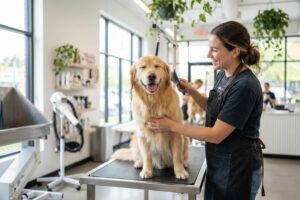
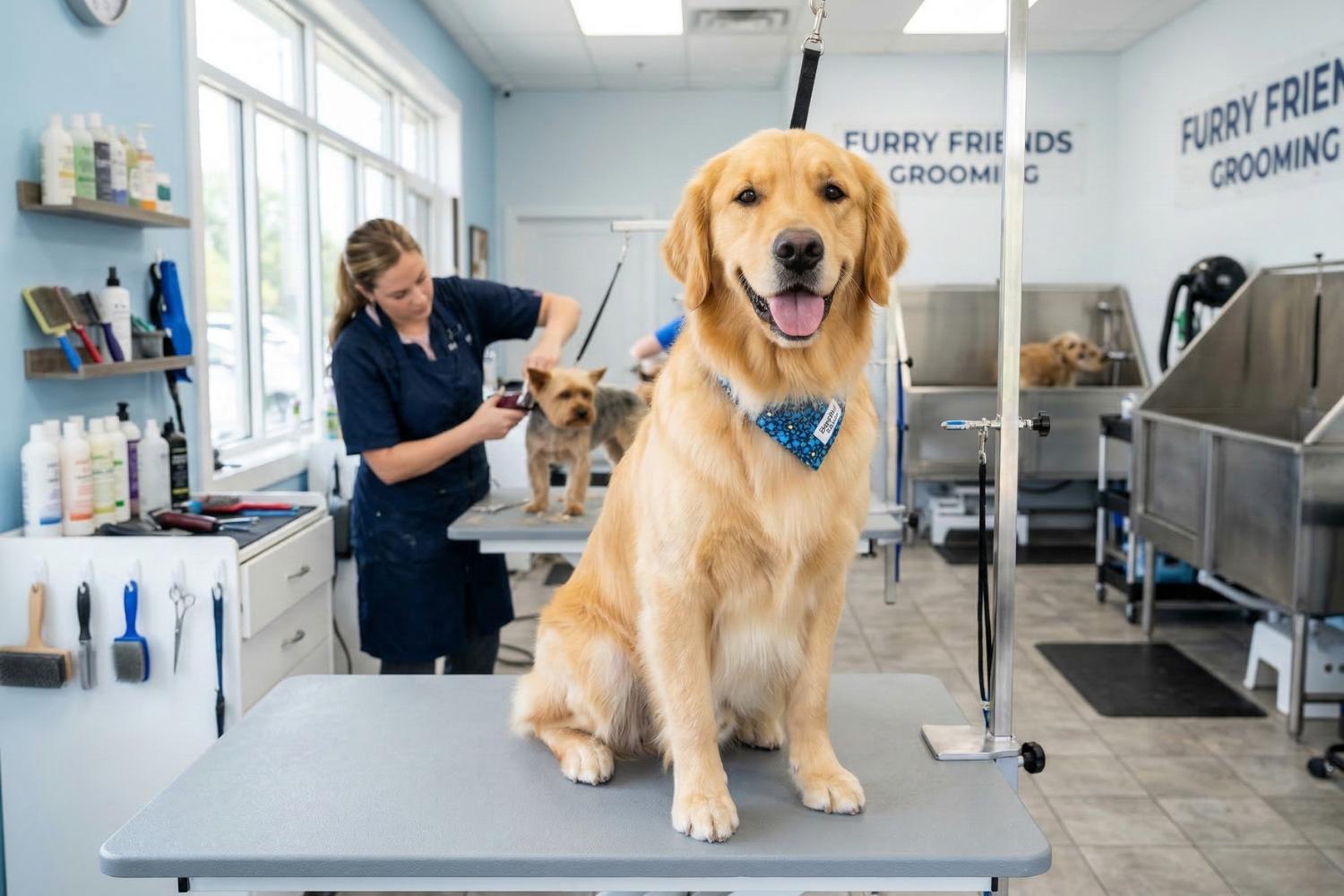
Dog grooming is more than just keeping your furry friend looking good—it’s vital for their health and well-being. Professional grooming helps prevent skin issues, reduces shedding, and ensures your dog is comfortable and happy. In this guide, we’ll explore expert grooms dog grooming tips that every pet owner should know.
For more information on professional grooming services, you can check out Pupify’s dog grooming services.
Why Professional Dog Grooming Matters
Professional grooming isn’t just about aesthetics. Groomers trained in handling dogs can detect early signs of health problems such as:
- Skin infections or irritations
- Ear infections
- Dental issues
- Parasites like ticks or fleas
Regular grooming also improves circulation, stimulates healthy coat growth, and helps manage shedding.
Choosing the Right Grooming Services
When selecting a grooming service, consider:
- Experience and training of the groomer
- Cleanliness and hygiene standards of the grooming salon
- Safety protocols for dogs of all sizes and breeds
Essential Grooming Tools Every Dog Owner Should Have
Even if you plan to take your dog to a professional, having basic tools at home can help maintain their coat between sessions:
- Brushes and Combs: Helps remove tangles and loose fur.
- Nail Clippers or Grinders: Keeps nails at a healthy length.
- Dog-Friendly Shampoo: Avoid human shampoos—they can irritate your dog’s skin.
- Ear Cleaning Supplies: Prevents ear infections.
Step-by-Step Professional Grooming Tips
1. Brushing
- Brush your dog daily or at least 3–4 times a week.
- Use brushes suitable for your dog’s coat type.
2. Bathing
- Bathe your dog every 4–6 weeks using a dog-friendly shampoo.
- Make sure to rinse thoroughly to remove all shampoo residues.
3. Nail Care
- Trim nails regularly to prevent discomfort or injury.
- For anxious dogs, consider using a nail grinder instead of clippers.
4. Ear Cleaning
- Clean ears with a vet-approved solution to prevent infections.
- Avoid inserting anything deep into the ear canal.
5. Dental Care
- Brush your dog’s teeth 2–3 times a week.
- Use dog-specific toothpaste to maintain oral health.
6. Coat Trimming
- Different breeds require different trimming schedules.
- For long-haired breeds, regular trims prevent matting and tangling.
Breed-Specific Grooming Needs
Certain breeds require specialized grooming techniques:
- Poodles: Require frequent trims to prevent matting.
- Golden Retrievers: Brushing reduces shedding and keeps their coat shiny.
- Bulldogs: Focus on skin folds to prevent infections.
Benefits of Regular Grooming
Regular professional grooming offers numerous benefits:
- Reduces the risk of infections and health issues
- Keeps your dog comfortable and happy
- Improves appearance and strengthens bonding
- Detects early signs of health problems
Common Grooming Mistakes to Avoid
- Over-bathing, which strips natural oils
- Using human shampoos or harsh products
- Neglecting nail trimming or ear cleaning
- Grooming a stressed or anxious dog without proper preparation
By following expert guidance in grooms dog grooming, you’ll avoid these pitfalls.
DIY Grooming vs. Professional Grooming
While home grooming is convenient, professional grooming ensures:
- Proper coat trimming for breed standards
- Early detection of health issues
- Stress-free handling for difficult or anxious dogs
Conclusion
Grooming is an essential part of keeping your dog healthy and happy. Whether you brush, bathe, or trim at home, incorporating professional grooms dog grooming practices ensures your dog stays in top shape.
Remember, consistent grooming strengthens the bond between you and your furry companion while improving their overall quality of life.