Creating a consistent puppy grooming schedule is an important part of keeping your dog healthy, comfortable, and well cared for. Grooming isn’t just about appearance—it helps maintain skin health, prevents matting, and supports your puppy’s overall wellbeing.
The right puppy grooming schedule will vary depending on your dog’s breed, coat type, and activity level. Understanding these differences can help you build a routine that works for both you and your puppy.
Why a Grooming Schedule Matters
Many new dog owners wait until their puppy looks dirty or tangled before grooming, but this approach can lead to discomfort and avoidable issues.
Following a regular puppy grooming schedule helps prevent matting, reduces skin irritation, and keeps your puppy feeling comfortable. It also helps your puppy become familiar with brushing, bathing, and handling, which makes future grooming appointments much easier.
Establishing a routine early creates consistency and reduces stress over time.
Grooming Schedule by Coat Type
Different coat types require different levels of care. Knowing your puppy’s coat type is one of the easiest ways to build the right grooming routine.
Short Coat Puppies
Short-coated breeds are generally lower maintenance, but they still benefit from regular grooming. Brushing once a week helps remove loose hair and keeps the coat looking clean. Baths can be done every 4–6 weeks, depending on activity level.
Medium Coat Puppies
Medium-length coats require more frequent brushing to prevent tangles. Brushing two to three times per week helps keep the coat smooth and reduces shedding. Bathing is typically needed every 4–6 weeks.
Long or Curly Coat Puppies
Long-haired and curly-coated breeds require the most maintenance. These puppies are more prone to matting and need brushing several times a week, sometimes daily depending on the coat.
Professional grooming is often recommended every 4–8 weeks to keep the coat manageable and healthy.
What Is the Best Puppy Grooming Schedule?
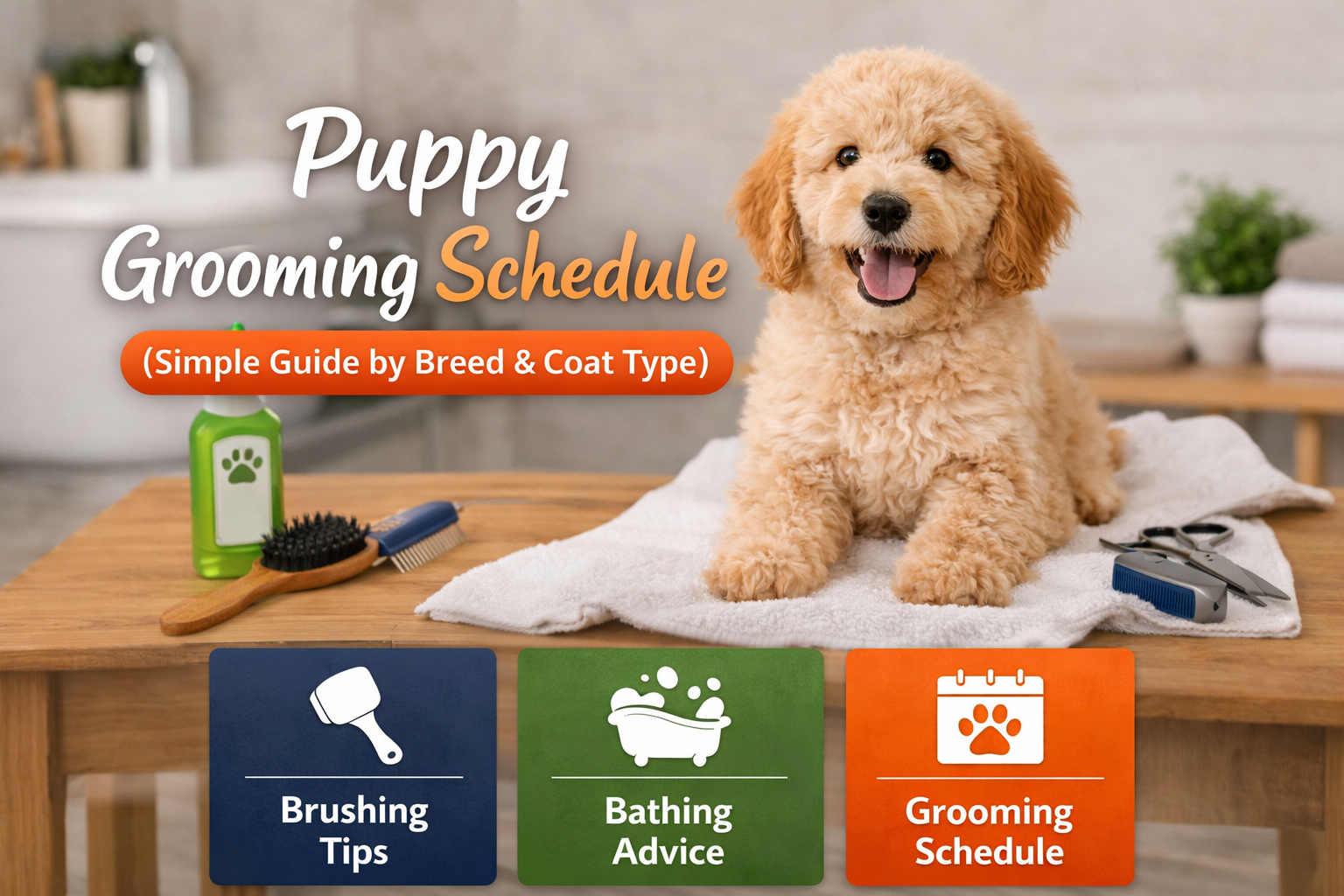
A puppy grooming schedule depends on coat type, but most puppies follow a simple routine that keeps their coat clean and healthy.
- Brushing: 1–4 times per week
- Bathing: Every 4–6 weeks
- Professional grooming: Every 4–8 weeks
This basic puppy grooming schedule helps prevent matting, reduces shedding, and keeps your puppy comfortable as they grow.
How Often Should You Groom a Puppy?
A basic grooming routine includes regular brushing, occasional bathing, and periodic professional grooming. Each part of the routine plays a role in maintaining your puppy’s coat and overall health.
Brushing should be done consistently based on coat type, while bathing should be spaced out to avoid drying the skin. Professional grooming appointments help maintain coat condition and allow for trims that are difficult to manage at home.
A well-planned puppy grooming schedule will evolve as your puppy grows and their coat changes.
Building a Routine That Works
Consistency is key when it comes to grooming. Creating a simple routine that fits your schedule will make grooming feel like a normal part of your puppy’s life.
Start slowly and keep sessions short and positive. Over time, your puppy will become more comfortable and relaxed during grooming.
A consistent puppy grooming schedule makes grooming easier and more predictable for both you and your dog. Along with grooming, choosing the best dog toys for puppies and avoiding unsafe options helps create a well-rounded care routine that supports your puppy’s development.
When to See a Professional Groomer
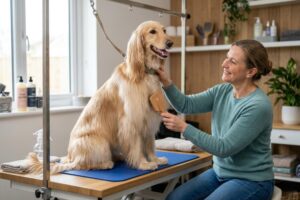
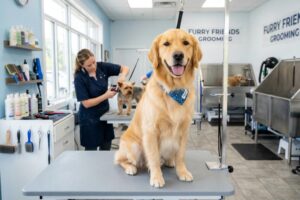
While basic grooming can be done at home, many puppies benefit from professional grooming—especially breeds with longer or more complex coats.
A groomer can help with trimming, nail care, and maintaining coat health in ways that are difficult to manage on your own. If you’re unsure where to start, learning how to choose a dog groomer for a puppy can help you find someone who will create a positive grooming experience.
Finding Grooming Support Near You
Sticking to a puppy grooming schedule becomes much easier when you have the right support. Having access to trusted groomers ensures your puppy gets consistent care as they grow.
If you’re unsure where to start, platforms like Pupify make it easier to explore local dog groomers and find service providers that match your needs.
Final Thoughts
A consistent puppy grooming schedule is one of the simplest ways to support your dog’s health and comfort. By understanding your puppy’s coat type and building a routine early, you can prevent common issues and create a more positive grooming experience.
With the right balance of at-home care and professional support, grooming can become an easy and stress-free part of your puppy’s routine.