If you’re a dog owner, you’ve probably encountered the frustration of knots for dogs. Tangled fur not only looks messy but can cause discomfort, skin irritation, and even infections. While grooming may seem intimidating, understanding how to safely remove mats and prevent future tangles is essential for your dog’s health and happiness. In this article, we’ll guide you through everything you need to know—from identifying knots to safe removal techniques and preventive care tips.
Understanding Knots and Mats in Dog Fur
Before tackling knots for dogs, it’s important to understand what causes them:
- Fur Type: Dogs with long, curly, or fine hair (like Poodles or Shih Tzus) are more prone to matting.
- Lack of Regular Grooming: Skipping brushing or baths allows fur to tangle over time.
- External Factors: Dirt, moisture, and debris can lead to clumping.
- Skin Conditions: Certain skin conditions may cause shedding or fur irregularities, which increase knot formation.
Mats are not just a cosmetic issue—they can pull on the skin, causing pain and potentially leading to sores or infections.
Signs Your Dog Has Knots or Mats
Knowing the signs can help you act before the problem worsens:
- Visible Clumps: Fur that sticks together in lumps.
- Tugging Sensitivity: Your dog flinches or shows discomfort when touched in certain areas.
- Bald Patches: Severe mats may pull out fur.
- Odor or Dirt Accumulation: Mats trap dirt and moisture, causing smell.
Tools You Need to Remove Knots Safely
Using the right tools is crucial to prevent injury:
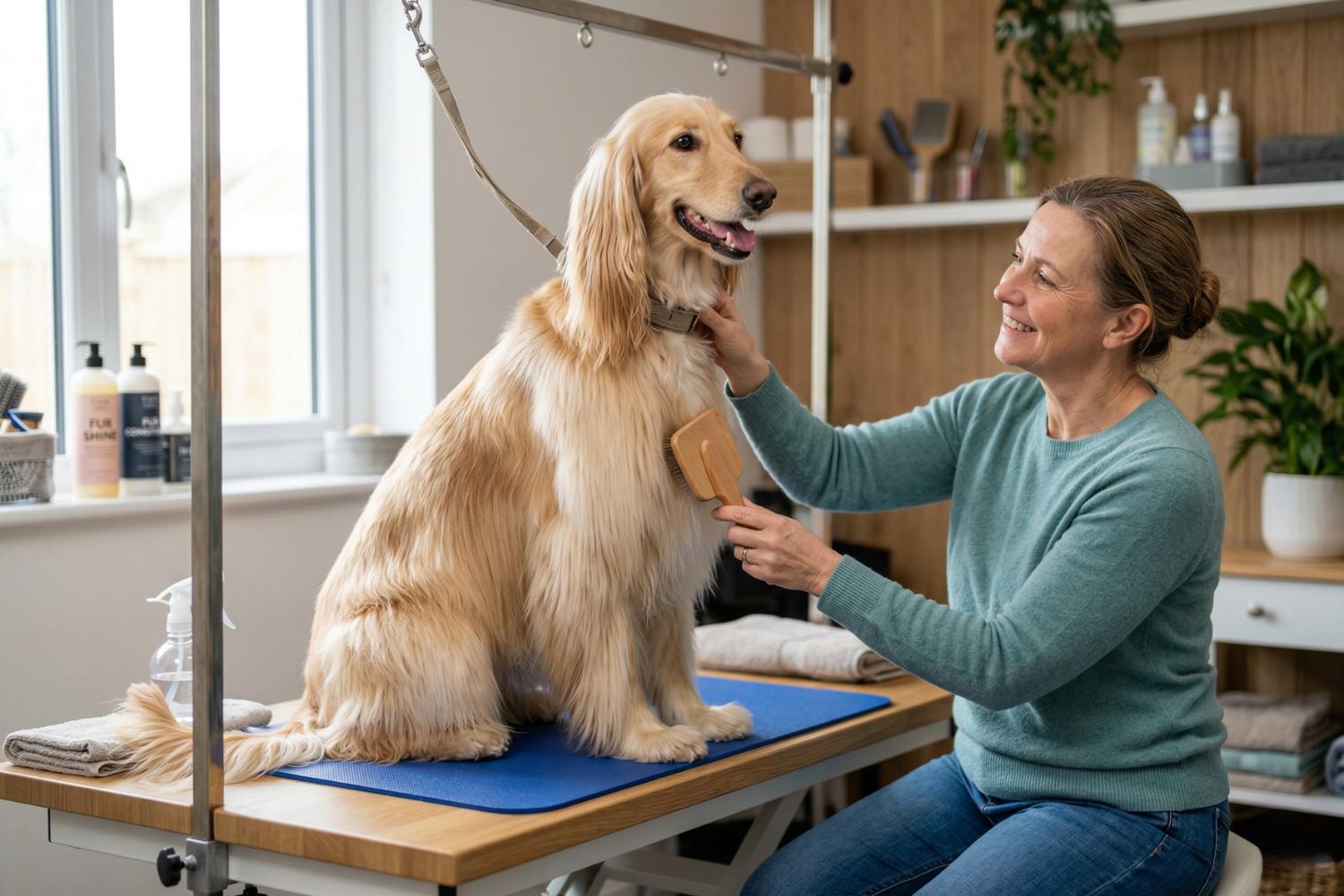
- Detangling Brush: Ideal for minor tangles and loose knots.
- Slicker Brush: Works well for dense or curly fur.
- Comb: Metal combs help separate tight mats.
- Mat Splitter or Dematting Tool: Designed to carefully cut through severe mats without hurting your dog.
- Conditioning Spray: Softens knots to make brushing easier.
Always use tools gently to avoid skin irritation or hair breakage.
Step-by-Step Guide to Removing Knots for Dogs
- Calm Your Dog: Begin with a calm environment. Offer treats and gentle reassurance.
- Assess the Knot: Determine if it’s small (easy to brush) or large (may require careful cutting).
- Use Conditioner or Detangler: Spray lightly on the mat to loosen it.
- Start From the Tips: Brush gently from the ends toward the base. Don’t pull harshly.
- Work in Sections: Divide fur into small, manageable sections to prevent frustration.
- Cut Only When Necessary: For severe mats, carefully use a mat splitter or scissors, keeping the blade parallel to the skin.
- Praise Your Dog: Positive reinforcement helps your dog stay relaxed in future grooming sessions.
When to Seek Professional Grooming
Some knots are best left to professionals:
- Mats covering large areas of the body
- Knots near sensitive areas like ears, paws, or genitals
- Signs of skin irritation, redness, or infection
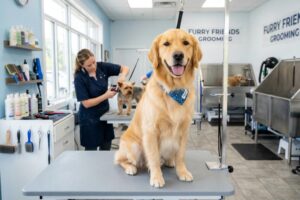
Professional groomers have the tools and experience to safely remove stubborn mats.
Preventing Knots and Tangled Fur
Prevention is always better than treatment. Here’s how:
- Regular Brushing: Long-haired dogs should be brushed daily; short-haired dogs at least weekly.
- Frequent Bathing: Keeps fur clean and easier to manage.
- Conditioning Sprays: Reduce friction and tangling.
- Trimming Fur: Regular trims in prone areas prevent mat formation.
- Check After Outdoor Activities: Debris from walks or play can lead to tangles.
Diet and Health Tips to Maintain a Healthy Coat
A well-nourished dog is less prone to knots:
- High-Quality Dog Food: Rich in Omega-3 and Omega-6 fatty acids for healthy fur.
- Hydration: Proper water intake keeps skin and fur soft.
- Supplements: Consult your vet for coat-supporting supplements if needed.
Common Myths About Knots for Dogs
- “Short hair doesn’t mat.” – Even short-haired dogs can develop mats in hidden areas.
- “Mats can be brushed out no matter how tight.” – Severe mats may need professional attention.
- “Cutting mats is always harmful.” – With careful technique, cutting is safe when necessary.
DIY vs Professional Grooming: What’s Best?
While many dogs can be groomed at home, professional grooming ensures:
- Safe handling of difficult knots
- Proper trimming without injury
- Early detection of skin problems
Home grooming is ideal for maintenance and prevention, but professionals handle advanced cases better.
Signs of Healthy Fur After Knot Removal
Once your dog’s knots are removed, you should notice:
- Soft, smooth fur
- No clumps or tangles
- Happy, comfortable behavior
- Shiny, healthy coat
Regular maintenance ensures that knots don’t return.
Conclusion
Managing knots for dogs may seem challenging, but with the right tools, techniques, and preventive care, it can be straightforward and stress-free. Consistent grooming, attention to your dog’s health, and occasional professional help will keep your dog’s coat healthy, shiny, and tangle-free. Remember, a happy coat means a happy dog!